What is Kojic Acid?
Kojic acid, a naturally derived active ingredient, originates from mushrooms or can be produced during the sake-brewing process from fermented rice. Unlike
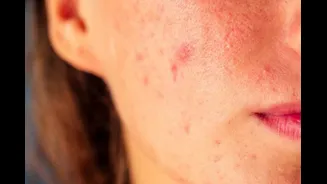
more aggressive treatments, it offers comparable scar-fading and skin-brightening results without compromising the skin's natural barrier. Its molecular structure allows it to penetrate the skin effectively, inhibiting melanin production, the root cause of dark spots and uneven pigmentation. This makes it a valuable component for addressing a variety of dermatological concerns, from persistent melasma and post-inflammatory hyperpigmentation to the appearance of fine lines and acne blemishes. Its multifaceted action makes it a sought-after ingredient in advanced skincare formulations, aiming for visible improvements in skin clarity and tone.
Key Benefits Revealed
Kojic acid stands out for its remarkable ability to brighten the skin, effectively reducing dullness and redness for a more vibrant appearance. It also plays a crucial role in managing melasma, a common skin darkening condition often associated with hormonal changes. Furthermore, its mild bleaching properties make it excellent for diminishing dark spots, including those caused by sun exposure or aging, and can even help soften the visibility of wrinkles and fine lines. Suitable for various skin types, kojic acid is gentle on the skin barrier and can be applied to sensitive areas like the eyelids. It is also beneficial in preventing scars by reducing their pigmentation, making them less noticeable without altering scar tissue thickness. Beyond its cosmetic applications, kojic acid possesses significant antifungal and antibacterial properties, offering protection against environmental damage and common skin infections such as athlete's foot and yeast infections, thereby contributing to overall skin health.
Strategic Integration and Precautions
Incorporating kojic acid into your daily regimen is generally considered safe, though it's wise to introduce it gradually. For individuals with sensitive skin, a dermatologist consultation is highly recommended before starting. Common side effects like rashes or itching are rare, especially with lower concentrations found in over-the-counter products, but always perform a patch test first. Apply kojic acid products followed by a moisturizer and daily sunscreen to protect your skin. If using powdered forms, mix them with water or lotion as directed, and be aware that absorption below the skin's surface is limited. While creams and serums can be left on, products like soaps and cleansers should be rinsed off immediately. Using kojic acid can make your skin more sensitive to the sun, making diligent sunscreen application paramount.
Dosage and Expert Advice
The consensus among experts is that daily application of kojic acid is generally safe, provided it's part of a well-considered skincare routine. It harmonizes well with other treatments for dark spots, such as hydroquinone, though excessive combinations can lead to irritation. Ready-made products with specified concentrations, typically between 1-2% for minimized irritation and a maximum of 4%, are often preferable to DIY formulations which can be difficult to control and may yield irritating levels of raw kojic acid. For specific concerns like hyperpigmentation, melasma, or uneven skin tone, kojic acid is highly effective. It can also aid in treating acne and lightening dark spots. Dermatologists recommend consulting them for personalized advice on dosage, frequency, and complementary therapies, especially when addressing conditions like stubborn dark spots from scars, aging, or sun damage. They can also guide on the duration of use, as some individuals see results in a few weeks, while others may require more time.