Trend Spotting: Current Styles
Fashion constantly reinvents itself, with styles appearing and disappearing rapidly. The article offers insights into some of the most prominent trends.
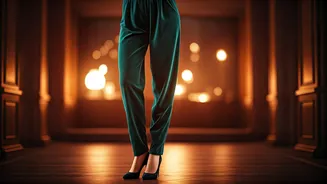
Among them are wide-leg trousers, which remain a strong choice. These trousers are versatile, as they can be worn both in casual and more formal settings. Another trend that has gained momentum includes bold colour blocking, where vibrant colours such as fuchsia, cobalt blue, and tangerine are mixed to create eye-catching combinations. Another prevalent fashion component is the resurgence of 90s-inspired minimalism, which is characterised by simple silhouettes, neutral tones, and clean lines. Oversized blazers, slip dresses, and sleek accessories represent this movement. Understanding these trends and incorporating them into your wardrobe will enable you to maintain a current and fashionable appearance.
Wardrobe Essentials: Must-Haves
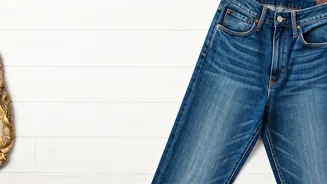
Building a solid wardrobe requires a selection of essential pieces. These basics serve as the foundation for various outfits. A classic white shirt can be styled in several ways, from formal with tailored trousers to casual with jeans. A well-fitted blazer provides sophistication. It can be paired with anything from a dress to a t-shirt and jeans. Dark-wash jeans are another staple, versatile for numerous occasions. A trench coat is timeless and practical, suitable for most weather conditions, offering both style and functionality. Furthermore, a Little Black Dress (LBD) is always in style, suitable for any occasion. By investing in these fundamental items, you create a foundation for a versatile and stylish wardrobe. This allows you to mix and match with trendier pieces. They also ensure a polished and complete look for nearly every event.
Accessorizing: Elevate Your Look
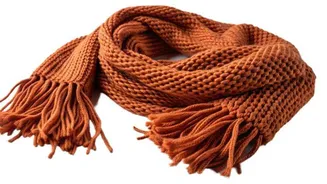
Accessories can transform any outfit. They have the power to infuse personality and polish into your look. Statement jewellery, such as bold necklaces and oversized earrings, can instantly add glamour. A classic wristwatch not only tells time but also serves as an elegant accessory. Belts are great for defining the waist. They also add structure to outfits, transforming silhouettes, especially with dresses or oversized tops. Scarves can introduce colour and texture. You can tie them around the neck, in your hair, or even on your handbag. Handbags themselves, from structured totes to crossbody bags, serve both practical and fashionable purposes. By thoughtfully incorporating these elements, you can elevate your outfits from simple to chic. Choose accessories that reflect your style.
Styling Tips: Creating Looks
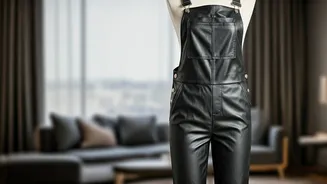
Developing your personal style and experimenting with fashion is a unique process. Consider mixing and matching different textures and patterns to give your outfits visual interest. Pairing a silk blouse with a leather skirt or a striped shirt with floral pants can create dynamic combinations. Don't be afraid to experiment with colour. You can try contrasting colours or different shades of the same colour. Playing with different proportions helps to balance your silhouette. Combine wide-leg trousers with a fitted top or an oversized sweater with skinny jeans. Ensure your clothing fits well. Tailoring is key. Take your clothes to a tailor to ensure they fit properly. This small investment can make a substantial difference in how you appear. Ultimately, be confident and have fun with fashion. Wear what makes you feel good.
Seasonal Transitions: Dressing Right
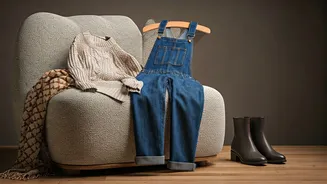
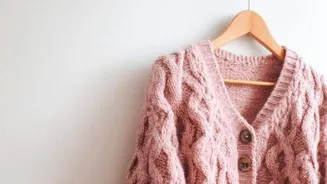
Changing seasons demand alterations to your wardrobe. As winter turns to spring, lighten your fabrics and colours. Replace heavy wools and dark colours with lighter materials and pastel hues. When summer arrives, wear breathable fabrics like cotton and linen. Embrace bright colours and floral prints. Autumn means it’s time to incorporate layers. Add cardigans, jackets, and scarves. Don’t hesitate to use warmer colours like browns and oranges. Adapting your wardrobe to seasonal transitions involves considering the current weather. It also means incorporating the specific colours, fabrics, and styles appropriate for each season. This guarantees you stay comfortable and stylish throughout the year.
Sustainable Fashion: Eco-Conscious Choices
Making eco-conscious choices will lead to a more sustainable fashion industry. Consider buying clothes made from sustainable materials. Materials include organic cotton, recycled polyester, and linen. Look for brands that prioritise ethical production practices. This includes fair wages, safe working conditions, and reduced environmental impact. Buying second-hand or vintage clothing significantly reduces waste. It also gives unique items a new life. Repairing and altering clothes extends their lifespan, making them more sustainable. Reduce your consumption. Try to buy fewer items. Choose quality over quantity. Being mindful of these practices enables you to enjoy fashion responsibly, reducing its negative impact and contributing to a healthier environment.
Fashion Icons: Inspiration Sources
Drawing inspiration from fashion icons is a great way to improve your style. Study the wardrobes of celebrities, influencers, and figures whose style you admire. Consider their choices in cuts, colours, and accessories. Then, find what resonates most with your own sense of style. Fashion magazines and blogs offer constant inspiration. They provide the latest trends and outfit ideas. Social media platforms, especially Instagram and Pinterest, are excellent sources of style ideas. Look for accounts that highlight your preferences. Remember, there's no need to replicate someone else’s style completely. Adapt what inspires you to align with your personal aesthetic. Develop a personal style and build a wardrobe that makes you feel confident and authentic.