The Foundational Rule
The cornerstone of any successful fat-loss endeavor, as advocated by fitness influencer Ansh Tripathi, is a fundamental plate-building principle. This
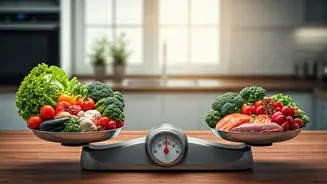
approach requires your meal to definitively answer four critical questions. Firstly, where is the protein component? Secondly, have you included sufficient vegetables? Thirdly, are your carbohydrate portions controlled, or are they overwhelming the meal? And finally, is your intake of oils and fats kept in check? Overlooking even a single one of these aspects can significantly impede your progress towards shedding excess weight, underscoring the importance of a holistic meal composition for optimal results.
Universal Plate Ratio
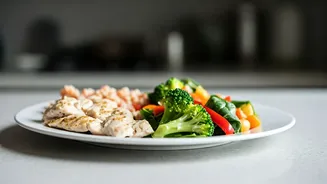
To simplify the path to weight loss, a universal plate ratio can be adopted. This visual guide ensures a natural calorie deficit without the need for tedious tracking. The principle dictates that half of your plate should be dedicated to vegetables, offering volume and nutrients. Following this, a quarter of the plate should be allocated to protein, essential for satiety and muscle maintenance. The remaining quarter is for carbohydrates, providing energy. Adhering to this 50% vegetables, 25% protein, and 25% carbs ratio is a straightforward yet effective strategy to manage calorie intake and promote fat loss organically.
Protein's Crucial Role
Protein plays an indispensable role in determining the success of your fat-loss journey. It should be the very first component you consider when assembling your meal, not an afterthought. Insufficient protein intake can trigger increased hunger and cravings, making it difficult to adhere to your dietary goals. Moreover, when protein is lacking, your body may begin to break down muscle tissue for energy, which is counterproductive to fat loss and overall fitness. Prioritizing protein ensures you feel fuller for longer, supports metabolic health, and helps preserve lean muscle mass.
Vegetables: More Than Garnish
Vegetables are far more than just a decorative element on your plate; they are a vital component of a health-conscious diet. To maximize their benefits for fat loss, aim to include at least two distinct types of vegetables in each meal, whether they are cooked or served raw. This practice not only adds substantial volume to your meals, contributing to a feeling of fullness, but also aids in digestion. Furthermore, vegetables are typically low in calories per bite, allowing you to consume a larger quantity of food without a significant calorie increase, making them an excellent ally in weight management.
Mindful Carb Consumption
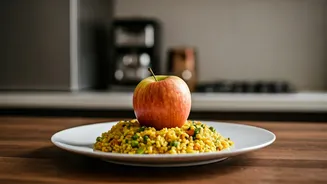
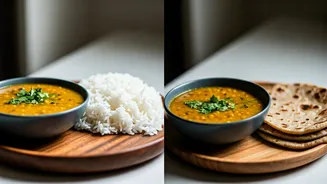
While incorporating carbohydrates into your diet is permissible and necessary for energy, the key lies in controlling their quantity to prevent overloading. For each meal, select just one primary carb source. This might be a single roti or one cup of cooked rice. On alternate days, you can diversify your carbohydrate intake by opting for dishes like poha or upma. This controlled approach ensures you get the energy you need without consuming excessive calories from starches, which can hinder fat loss efforts. The focus is on moderation and variety within limits.
Managing Fat and Oil
A common pitfall in many Indian diets is the excessive use of fats and oils, which can significantly derail weight loss efforts. It's crucial to limit your oil consumption to approximately 2 to 3 teaspoons per meal. Furthermore, avoid what are termed 'double fats,' such as combining oil with ghee or using rich, creamy ingredients like butter or cream. Even healthy foods can become calorie-dense if prepared with too much fat. Being mindful of cooking methods and ingredient choices is paramount to keeping your meals aligned with your fat-loss objectives.
Balancing Vegetarian Plates
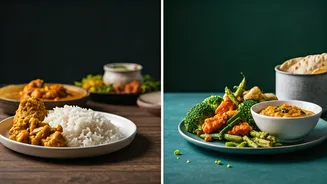
For vegetarians aiming for fat loss, constructing the ideal plate involves specific considerations. Typically, half of the plate should be filled with a vegetable dish (sabzi), accompanied by a katori (small bowl) of dal, paneer, or tofu for protein. A single roti or a small portion of rice will complete the carb requirement. If you find fat loss challenging as a vegetarian, it's highly likely that your protein intake needs to be increased. Ensuring adequate protein from plant-based sources is key to satiety and metabolic support in vegetarian diets.