
'%3e%3cpath%20fill-rule='evenodd'%20clip-rule='evenodd'%20d='M6%200C10.4183%200%2014%203.58171%2014%207.99999V14.0003C14%2018.4186%2017.5817%2022.0003%2022%2022.0003H122C126.418%2022.0003%20130%2018.4186%20130%2014.0003V8C130%203.58172%20133.582%200%20138%200H6Z'%20fill='%23EDF2E7'/%3e%3c/g%3e%3cdefs%3e%3cfilter%20id='filter0_d_12223_4749'%20x='0'%20y='0'%20width='144'%20height='36'%20filterUnits='userSpaceOnUse'%20color-interpolation-filters='sRGB'%3e%3cfeFlood%20flood-opacity='0'%20result='BackgroundImageFix'/%3e%3cfeColorMatrix%20in='SourceAlpha'%20type='matrix'%20values='0%200%200%200%200%200%200%200%200%200%200%200%200%200%200%200%200%200%20127%200'%20result='hardAlpha'/%3e%3cfeOffset%20dy='8'/%3e%3cfeGaussianBlur%20stdDeviation='3'/%3e%3cfeComposite%20in2='hardAlpha'%20operator='out'/%3e%3cfeColorMatrix%20type='matrix'%20values='0%200%200%200%200.356863%200%200%200%200%200.427451%200%200%200%200%200.270588%200%200%200%200.7%200'/%3e%3cfeBlend%20mode='normal'%20in2='BackgroundImageFix'%20result='effect1_dropShadow_12223_4749'/%3e%3cfeBlend%20mode='normal'%20in='SourceGraphic'%20in2='effect1_dropShadow_12223_4749'%20result='shape'/%3e%3c/filter%3e%3c/defs%3e%3c/svg%3e)
Nourish From Within
Your hair's thickness starts at your plate. True hair growth hinges on adequate nutrition, making a balanced diet paramount. Prioritize protein sources
like lentils, paneer, eggs, and fish, as hair strands are fundamentally protein. Iron deficiency, a common issue for Indian women, directly impacts hair density; incorporate spinach, beetroot, dates, and pomegranates to boost iron levels. Essential B vitamins and biotin, found in nuts, seeds, and whole grains, are crucial for hair strength and growth. Don't forget healthy fats from walnuts and flaxseeds, which promote a healthy scalp environment. Simple daily upgrades, like adding one protein-rich and one iron-rich food, can make a significant difference. Staying hydrated is also key, as a dry scalp hinders healthy hair development.
Gentle Scalp Stimulation
The age-old practice of oil massage, often recommended by elders, is scientifically backed for promoting hair density. Gently massaging your scalp enhances blood circulation, ensuring that hair follicles receive a richer supply of nutrients. This improved blood flow encourages thicker hair growth over time. For effective massage, use your fingertips in small, circular motions for about 5-10 minutes, 3-4 times weekly. Suitable oils for Indian hair include coconut oil, known for its versatility, and castor oil, which is particularly beneficial for density (often mixed with coconut oil to ease application). Almond oil is excellent for dry hair, while Bhringraj oil is a time-tested Ayurvedic choice for stimulating growth. A simple DIY blend of warm coconut oil with a few drops of castor oil and a pinch of kalonji (nigella seeds) can be massaged in overnight and washed out for enhanced results. Consistency is more vital than the type of oil used.
Minimize Hair Damage
Hair thinning can also result from breakage outpacing growth. Daily habits often contribute significantly to this. Wearing excessively tight hairstyles like ponytails and buns, vigorously brushing wet hair, and frequent use of heat styling tools can weaken and break strands. Neglecting conditioner and using harsh shampoos too often also degrade hair quality. To mitigate this, opt for a wide-tooth comb when detangling damp hair and avoid pulling it into overly tight styles. Reduce reliance on straighteners and curlers. When washing hair frequently, choose mild shampoos. Always apply conditioner to the lengths of your hair, avoiding the scalp. A clever desi hack is to sleep on a soft cotton dupatta or silk scarf instead of rough pillowcases, as this reduces friction and minimizes breakage, leading to a fuller appearance over time.
Prioritize Scalp Health
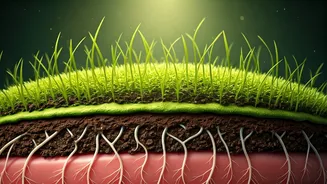
A healthy scalp is the foundation for thick, vibrant hair. Issues like flakiness, itchiness, excessive oiliness, or constant sweat can stress hair follicles, impeding growth. Common scalp problems in India include dandruff exacerbated by humidity, product buildup from oils and styling products, and clogged follicles due to sweat and pollution. Natural remedies can offer relief: aloe vera gel soothes irritation and can be applied for 20 minutes before washing. A neem water rinse is effective for managing dandruff and itchiness. Onion juice, though potent in smell, has shown benefits for some in promoting hair growth, and weekly application is sufficient. It's crucial to note that for severe scalp conditions like persistent dandruff, redness, or sudden heavy hair fall, consulting a dermatologist is advisable for long-term hair health.
Manage Stress & Sleep
The impact of stress on hair density is profound and often underestimated. High stress levels can push hair follicles into the shedding phase prematurely. Factors like late nights, excessive screen time, work pressures, and emotional turmoil all affect scalp health and hair growth. While expensive treatments might seem appealing, consistent stress can undermine their effectiveness. Incorporating small lifestyle changes can yield significant benefits: aim for at least seven hours of sleep nightly, engage in daily physical activity like walking or stretching, and practice simple breathing or meditation exercises. Avoid crash diets and ensure you don't skip meals. Be aware that periods of intense stress, such as during exams, postpartum, job changes, illness, or grief, can lead to increased hair fall. Practicing self-compassion is important, as hair recovery takes time but is typically achievable with consistent care.