The Sacred Night
Maha Shivaratri, revered as the 'Great Night of Shiva,' marks a profoundly auspicious occasion on Sunday, February 15, 2026. This festival holds immense
spiritual significance, commemorating the divine union of Lord Shiva and Goddess Parvati. It also signifies the celestial performance of Lord Shiva's cosmic dance, the Tandav. The observance occurs during the Chaturdashi Tithi of the waning moon phase (Krishna Paksha) in the Hindu month of Phalguna. Throughout this sacred night, devotees engage in fervent chanting of Lord Shiva's name and his potent mantra, 'Om Namah Shivaya.' The tradition also includes undertaking fasts and performing various rituals dedicated to the deity, embodying virtues such as charity, honesty, forgiveness, and the transcendence of negative emotions like hatred and ignorance.
Home Puja Preparation
To commence your Maha Shivaratri observance at home, the first crucial step after a refreshing morning bath is the Sankalp, or the taking of a vow. Position yourself before your home altar, hold a small amount of water in your palm, and articulate your sincere intention to participate in the puja and fasting with unwavering devotion. Following this, dedicate time to meticulously prepare the altar space. Ensure it is thoroughly cleaned and adorned with fresh, clean clothing, creating a pure environment for the installation of the Shivling. It is a common practice for devotees to acquire a new Shivling specifically for this sacred occasion, enhancing the sanctity of the ritual.
Panchamrit Abhishek
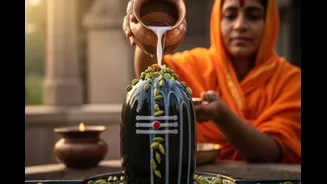
Once the Shivling is reverently placed on the prepared altar, the next vital ritual is the Panchamrit Abhishek. This sacred bath involves anointing the Shivling with a mixture of five ambrosial substances: pure water, milk, yogurt (curd), ghee (clarified butter), and honey. As you perform this cleansing, continuously chant the sacred mantra 'Om Namah Shivaya.' This ritual symbolizes purification and consecration. After the Panchamrit bath, it is customary to conclude the Abhishek by rinsing the Shivling once more with clean, fresh water, ensuring its utmost purity for the subsequent offerings and prayers.
Devotional Offerings
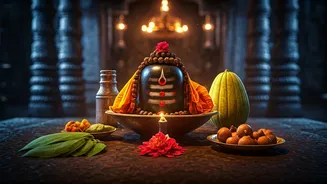
With the Shivling cleansed and consecrated, the next phase involves making devotional offerings. Begin by gently applying Chandan (sandalwood paste) to the Shivling, a traditional mark of respect. Subsequently, present Shiva's favorite Bel (Bilva) leaves, which are highly esteemed in his worship. Alongside these, offer Dhatura flowers and fruits, which are also considered pleasing to Lord Shiva. These offerings are not merely symbolic; they represent a devotee's sincere surrender and affection towards the deity, deepening the spiritual connection during this auspicious period.
Rudraksh and Chanting
Enhance the spiritual vibrations around the Shivling by incorporating Rudraksh beads or a Rudraksha mala. Place these sacred seeds near the Shivling as a symbol of Lord Shiva's divine energy. Sprinkle them with Gangajal (water from the Ganges River) and offer fresh flowers, further sanctifying the items. The practice of mantra chanting is paramount on Maha Shivaratri. Devotees are encouraged to recite the powerful Maha Mrityunjaya Mantra or the simpler yet equally potent 'Om Namah Shivaya' mantra at least 108 times. This repetition creates a focused and meditative state, inviting divine blessings.
Concluding the Puja
The culmination of the Maha Shivaratri puja, whether performed at home or in a temple, is the Shiva Aarti. This devotional ceremony involves singing hymns and verses in praise of Lord Shiva, often accompanied by the waving of a lamp. The Aarti signifies the final act of worship, expressing gratitude and seeking blessings for well-being and spiritual growth. The entire ritual, from the initial vow to the concluding Aarti, is designed to foster a deep connection with the divine and to purify the mind and soul, marking a triumphant observance of the Great Night of Shiva.