Understanding Ramadan's Significance
Ramadan, also recognized by names like Ramzan or Ramazan, holds a position of profound importance within the Islamic faith as the ninth month of the lunar
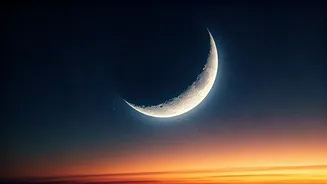
calendar. This period is dedicated to intense spiritual devotion, characterized by fasting from dawn until dusk, increased prayer, acts of charity, and introspection. The observance is intrinsically linked to the sighting of the new crescent moon, a celestial event that dictates the commencement and conclusion of this sacred time. This reliance on lunar observation is precisely why the exact start date can fluctuate, leading to slight variations across different regions and communities. The emphasis during Ramadan extends beyond mere abstinence from food and drink; it is a comprehensive journey of self-improvement, fostering kindness, strengthening one's relationship with the divine, and cultivating a deeper sense of empathy for others. It's a time for spiritual renewal and a profound connection with Islamic principles.
Anticipated Start Date
For Ramadan 2026, astronomical projections and expert analyses, such as those from the Emirates Astronomical Society, indicate that the holy month is most likely to commence on Thursday, February 19, 2026. This prediction is contingent upon the successful sighting of the crescent moon on the preceding evening, Wednesday, February 18. Consequently, February 18 is anticipated to mark the final day of Sha’ban, the month preceding Ramadan. This projected February 19 start aligns with expectations for many countries globally. Notably, Ramadan 2026 is being described as a "Winter Ramadan." This classification suggests that fasting periods will likely be shorter and more comfortable due to the season, offering a less arduous experience compared to the longer daylight hours of summer months. This timing is a welcome consideration for many observers preparing for the month's spiritual commitments.
Ramadan Timings: Sehri & Iftar
The daily schedule during Ramadan is meticulously marked by two significant meals: Sehri, consumed before dawn, and Iftar, marking the end of the fast at sunset. For Ramadan 2026, specific timings have been outlined, beginning with February 19 where Sehri is expected at 5:36 AM and Iftar at 6:15 PM. As the month progresses, these times will gradually shift. For instance, by February 20, Sehri will be at 5:35 AM and Iftar at 6:16 PM, with further minute adjustments each day. By March 20, the anticipated last day of fasting, Sehri will be at 5:06 AM and Iftar at 6:33 PM. These timings reflect a progressive lengthening of daylight hours as the month advances. The duration of fasting itself in Ramadan 2026 is projected to begin around 12 hours and 45 minutes, increasing incrementally as the month transitions towards spring. This makes it a relatively more accessible fasting period for observers.
Country-Specific Prayer Schedules
While the core tenets of Ramadan are universal, prayer timings, including those for Fajr, Dhuhr, Asr, Maghrib, and Isha, as well as Sehri and Iftar, naturally vary by geographical location. In Saudi Arabia, the commencement is expected on February 19, with Eid-ul-Fitr likely around March 20, subject to moon sighting. For the United Kingdom, specifically London, the start is also anticipated for February 19, though fasting hours will be longer due to its northern latitude, with Eid-ul-Fitr expected around March 20. In the United States, particularly New York, the consensus points to a February 19 start, though some communities might observe it a day earlier based on local moon sighting decisions. Eid-ul-Fitr in the US is forecast for March 20 or 21. It is crucial for all worshippers to consult local mosque announcements and verified Islamic calendars for the most precise daily prayer schedules relevant to their specific region.