TMC's Setback
The recent by-election results in West Bengal have painted a stark picture of the political climate, with the incumbent Trinamool Congress (TMC) experiencing
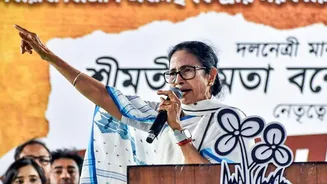
a significant defeat. They lost all three contested seats to the Bharatiya Janata Party (BJP), a considerable blow to Chief Minister Mamata Banerjee's decade-long tenure. This outcome strongly suggests a growing dissatisfaction among the state's populace. Allegations of corruption, favoritism, and autocratic governance have plagued the TMC administration. It appears the electorate has had enough of what they perceive as misrule and have actively sought a change in leadership, placing their trust in the BJP's promises of progress and development for West Bengal. The TMC now faces a critical period of introspection and fundamental reform if it aims to regain public confidence and avert further electoral decline.
Hostage Crisis Unveiled
A deeply disturbing incident has come to light involving seven judicial officers who were unlawfully confined within a government building in central West Bengal. This event transpired during a crucial, intensive special revision of the electoral roll. The ordeal highlights severe deficiencies in the administration's preparedness for such sensitive electoral processes. It also underscores the pervasive politicization of election campaigns in a state where political violence is unfortunately common, and the considerable emotions stirred by the controversial exclusion of millions of names from voter lists. Such incidents demand immediate attention from all stakeholders to de-escalate political tensions and temper inflammatory rhetoric, fostering an environment where reason can prevail.
Administrative Lapses
The plight of the seven judicial officers, tasked with reviewing logical discrepancies in voter registrations, sheds light on the woeful lack of timely response and coordination among state government officials. Despite protests escalating significantly from around 2:30 pm, local authorities exhibited hesitation and indecision. Even urgent communications from the high court registry to the state administration failed to elicit prompt or effective action until late in the evening. The officers were deprived of basic necessities like food and water, and senior officials, including the district magistrate and superintendent of police, conspicuously failed to appear at the scene. It was only after the intervention of the Chief Justice of the Calcutta High Court that the director general of police and home secretary were compelled to act around 11 pm. The officers were eventually released near midnight, enduring further aggression, including being pelted with stones and assaulted with bamboo sticks as they departed.
ECI's Role
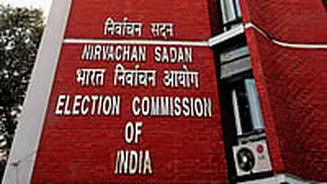
While the Supreme Court has rightly condemned the "complete failure of civil and police administration" and held top state officials accountable by ordering an inquiry, the Election Commission of India (ECI) also bears a measure of responsibility. The ECI's decision to transfer a staggering 480 officials in West Bengal — a number more than 30 times that of 2021 and 20 times more than other regions facing elections — and its selection of key administrative and police personnel warrant scrutiny. If these appointed officials subsequently faltered in their duties, the ECI must critically examine its selection criteria and vetting process.
Cycle of Violence
The deep-rooted issue of political violence in West Bengal remains stubbornly resistant to eradication. This dangerous escalation of conflict has been perpetuated by political leaders across the ideological spectrum, as it often serves their immediate electoral objectives. In a vast and varied state with numerous sensitive districts, political strong-arming not only triggers clashes but also obstructs genuine electoral competition and the conduct of free and fair campaigns. The recent arrests of political figures in connection with the Malda disturbances further highlight the inextricable link between elections and violence, a connection that must be severed for the well-being of the state and its voters. The Supreme Court itself took note of the prominent presence of political actors at the protest site, observing an unprecedented level of politicization not witnessed in any other state.
Protests Over Roll Revision
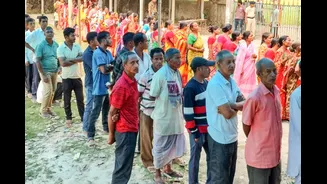
Widespread protests across various parts of North Bengal and Kolkata underscore the heightened emotions surrounding the Special Intensive Revision (SIR) of electoral rolls. This process has been plagued by constant rule changes, disagreements between the state government and the ECI, and an extended timeline that now risks extending beyond the upcoming two-phase assembly elections. Significant concerns have been raised regarding the timing of this exercise so close to the polls, the introduction of the "logical discrepancy" category for deletions, and the fact that West Bengal is the sole state experiencing such simmering tensions, further exacerbated by the state government's perceived stonewalling. At the heart of this turmoil are ordinary citizens whose fundamental right to vote is jeopardized. The perpetration of violence in a democratic society is unacceptable, and the disenfranchisement of citizens is equally intolerable.