The Sacred Panchamrit
No Maha Shivaratri observance is truly complete without the preparation and offering of Panchamrit, a divine mixture considered highly auspicious for Lord
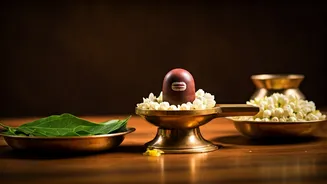
Shiva. This sacred concoction is artfully blended from five key ingredients: pure milk, creamy curd, golden honey, clarified butter (ghee), and crystalline sugar. Each component within this blend carries profound spiritual significance, with milk symbolizing immense calmness and spiritual tranquility. Curd is offered to invoke prosperity and abundance in the lives of devotees, while honey represents the sweetness of life and devotion. Ghee, known for its purity and strength, signifies robust vitality, and sugar imparts a sense of pure bliss and joy. During the ritualistic 'abhishekam', Panchamrit is traditionally poured over the Shivalinga, a symbolic act of purification and blessing. Following the puja, this sacred mixture is distributed as 'prasad', allowing devotees to partake in its divine essence and embody the balance and devotion inherent in the ritual. The offering of Panchamrit thus embodies a holistic approach to worship, encompassing purity, prosperity, sweetness, strength, and bliss, reflecting the multifaceted nature of Lord Shiva.
Milk, Water Offerings
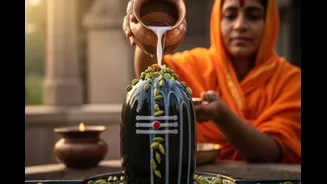
Lord Shiva's association with profound simplicity and asceticism is beautifully reflected in his most cherished offerings: milk and water. Milk, revered for its inherent purity and cooling properties, is believed to appease the deity and invoke spiritual calmness. Its white hue symbolizes untainted devotion and a serene state of mind, aligning perfectly with Shiva's contemplative nature. Alongside milk, water is also poured over the Shivalinga, a ritualistic act representing cleansing, renewal, and the washing away of sins. This dual offering of milk and water forms the fundamental bedrock of Maha Shivaratri rituals, serving as a constant reminder to devotees of Shiva's serene demeanor and his renunciation of worldly attachments. These simple yet potent offerings underscore the principle that sincerity and purity of heart are paramount in worship, transcending the need for opulent gestures.
Fruits and Dry Fruits
During Maha Shivaratri, devotees present a vibrant array of fresh fruits and nourishing dry fruits as 'bhog' to Lord Shiva, each carrying significant symbolic meaning. Fresh produce, such as ripe bananas, crisp apples, and whatever seasonal fruits are available, represents the natural abundance and life-giving vitality of the earth. These gifts from nature acknowledge the cyclical flow of life and the inherent goodness of creation. Complementing the fresh fruits, a selection of dry fruits like almonds, cashews, and sweet raisins are also offered. These are symbolic of inner strength, resilience, and enduring vitality. The inclusion of dry fruits acknowledges the importance of sustenance and fortitude. These offerings align harmoniously with the tradition of fasting observed during Maha Shivaratri, as they are light, sattvic (pure and balanced), and provide sustained energy, enabling devotees to remain alert and focused throughout the night-long vigil and prayers without feeling overly burdened.
The Auspicious Bael Fruit
The Bael fruit, and its accompanying leaves, holds a place of immense reverence and is considered one of Lord Shiva's most beloved offerings. The Bael leaves, specifically their three distinct leaflets, are imbued with profound symbolism, often interpreted as representing the divine trident (Trishul) wielded by Lord Shiva, symbolizing his power over creation, preservation, and destruction. These leaflets also signify the three gunas (Sattva, Rajas, Tamas) or the three eyes of Lord Shiva himself. Beyond the leaves, the Bael fruit itself is offered, symbolizing the individual soul ('Atman') and its deep devotion ('Bhakti') towards the divine. The act of offering these sacred items is central to the Maha Shivaratri rituals, believed to bestow profound blessings and spiritual merit upon the devotee who offers them with genuine sincerity and a pure heart. Their offering connects the worshipper directly to the essence of Shiva's divine form and cosmic functions.
Refreshing Thandai
Thandai, a traditional and invigorating beverage, is strongly associated with Lord Shiva and is often prepared as a special offering during Maha Shivaratri. This cooling drink is a delightful blend of creamy milk, a variety of nutritious nuts (such as almonds and pistachios), and aromatic spices like fragrant fennel seeds and warming cardamom. Its preparation is a labor of love, resulting in a beverage that is both refreshing and spiritually significant. Thandai is considered sattvic, meaning it is pure, balanced, and promotes mental clarity and tranquility, aligning perfectly with the ascetic and meditative nature of Lord Shiva. On the sacred night of Maha Shivaratri, Thandai is frequently made as 'prasad' and shared amongst devotees. This act of sharing not only provides physical nourishment and a cooling respite but also reinforces the communal spirit of the festival, fostering a sense of unity and shared devotion as all partake in this sacred, revitalizing drink.
Nourishing Kheer
Kheer, a beloved Indian rice pudding, is a common and cherished 'bhog' item offered to Lord Shiva on Maha Shivaratri. Prepared with simple yet wholesome ingredients, it typically involves slow-cooking rice in rich milk until it achieves a creamy, luscious consistency, sweetened with sugar. Its natural sweetness and unpretentious preparation make it an ideal offering for Lord Shiva, who is understood to favor humble, pure foods over elaborate and opulent dishes. The gentle sweetness of Kheer is believed to please the deity, reflecting a contentment with life's simple pleasures. After the 'puja' (worship ceremony) is concluded, Kheer is often distributed among the assembled devotees as 'prasad'. This sharing of the blessed food serves to strengthen the bonds of community and reinforce the collective spiritual experience of the festival, allowing everyone to share in the divine grace bestowed upon the offerings.
Nuts and Seeds
A variety of nuts and seeds are traditionally included in the offerings made to Lord Shiva during Maha Shivaratri, symbolizing enduring strength and the potential for abundance. Items such as sesame seeds and peanuts are commonly presented. Sesame seeds are often associated with prosperity and protection, while peanuts are valued for their energy-giving properties. Together, these offerings signify vitality, fertility, and the power of growth. Furthermore, their suitability for consumption during fasting periods makes them practical choices for devotees observing the strictures of Maha Shivaratri. They provide essential sustenance and energy, helping individuals maintain their focus and dedication throughout the night of prayers and meditation. These offerings subtly reflect Lord Shiva's dual nature as both a supreme ascetic, detached from worldly needs, and a householder, embodying balance and responsibility.
Sattvic Sweets
In keeping with Lord Shiva's preference for purity and simplicity, the sweets offered on Maha Shivaratri are typically 'sattvic' in nature. These are light, wholesome confections crafted from natural ingredients like jaggery, desiccated coconut, or simple grains like semolina or lentils. Unlike the rich, elaborate desserts often prepared for other festive occasions, these Maha Shivaratri sweets emphasize moderation, purity, and a focus on spiritual devotion rather than indulgence. Their preparation serves as a gentle reminder to devotees that the essence of Maha Shivaratri lies in disciplined worship, self-reflection, and deep spiritual connection, rather than excessive feasting or material extravagance. These simple sweets embody the true spirit of the festival, encouraging a balanced approach to both spiritual practice and life's simple joys.