The Malda Incident Unfolds
In a deeply disturbing event in Malda, West Bengal, a mob held seven election observer judges, including three women, captive for a staggering nine hours
within a government building. This incident, which stretched until midnight, occurred against a backdrop of thousands of protesters surrounding the premises, creating a volatile and dangerous situation. The gravity of the event was such that the Chief Justice of India remained actively monitoring the situation until the early hours of 2 AM, prioritizing the safe release of the judicial officers. The Chief Justice later voiced his certainty about the identities of those responsible for instigating this chaos, underscoring the deliberate nature of the disruption.
Judicial Authority Challenged
The judges targeted in the Malda incident were not ordinary officials; they held a significant rank within the national hierarchy. According to the Ministry of Home Affairs' warrant of precedence, District and Sessions Judges are placed at Rank 23, a position equivalent to a state's Chief Secretary and superior to directors of agencies like the CBI and ED, as well as District Magistrates and Superintendents of Police. The audacity of the mob in holding these high-ranking judicial officers prisoner for an extended period demonstrates a profound disregard for the established legal and administrative structures of the country, signaling a dangerous escalation in the challenge to judicial authority.
Roots of the Uproar
The unrest in Malda stemmed from the Matabari constituency, where approximately 42,000 names were reportedly removed from the electoral rolls of 2.1 lakh registered voters. This led to two days of continuous protests by furious residents, blocking national highways and surrounding BSF camps. While the anger and potential legitimacy of the grievance were acknowledged, the subsequent actions transcended legitimate protest, morphing into what was described as anarchy. The judicial officers, tasked with conducting the Special Intensive Revision (SIR) process under Supreme Court orders, arrived at the BDO office in Matabari, only to be surrounded by thousands of individuals who prevented anyone from leaving, highlighting a severe lapse in local administrative response, as neither the District Magistrate nor the Superintendent of Police appeared promptly.
Supreme Court's Decisive Intervention
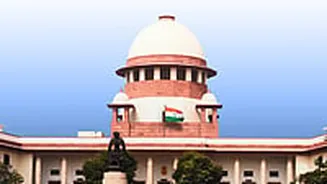
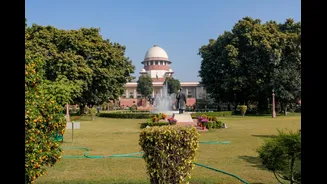
Following the egregious incident, the Supreme Court swiftly took suo motu cognizance. A bench, presided over by Chief Justice Suryakant and including Justices Joymalya Bagchi and Vipul M. Pancholi, summoned key state officials, including the Home Secretary and Director-General of Police, to provide explanations for their inaction. During the court proceedings, the state government's counsel attempted to label the event as a 'non-political protest.' However, the Chief Justice firmly refuted this, citing his personal monitoring of the situation until 2 AM and questioning the presence of political leaders if the protest were truly apolitical. He emphasized that the judges were denied basic necessities like food and water, and strongly suggested that political elements were involved in orchestrating the chaos, particularly noting the state's pervasive tendency to view all matters through a political lens.
Institutional Trust Under Siege
The Malda incident represents a grave threat to institutional trust, extending beyond political affiliations. The Chief Justice's remarks pointed to a deep-seated distrust sown among the populace, leading to a lack of respect for critical institutions such as the Election Commission and the judiciary. The article draws a parallel with the 2024 Sandeshkhali incident, where ED officers faced mob attacks, highlighting a recurring pattern of aggression against enforcement and judicial personnel in West Bengal. The author poses critical questions about the future safety of government officials working in the state and suggests that if even Supreme Court-empowered judges cannot perform their duties without fear, the foundational principles of governance are severely compromised, necessitating urgent attention and a refusal to ignore such systemic failures.
Consequences and Safeguards
In the aftermath of the Malda crisis, the Supreme Court has mandated CRPF protection for all judicial officers involved in the SIR process, ensuring their security irrespective of their location or activities. Furthermore, the Chief Secretary, DGP, District Magistrate, and SSP have been issued show-cause notices, holding them accountable for the security lapse. The Election Commission has also initiated an NIA inquiry into the incident, aiming to uncover the full extent of the conspiracy. The political discourse that followed saw the BJP accusing the state government of orchestrating the event, while the Mamata Banerjee government deflected responsibility onto the Election Commission's oversight, underscoring the broader issue of political blame games versus the fundamental problem of anarchy and eroded trust.