The Looming Automation Crisis
Dr. Roman Yampolskiy, a distinguished AI safety researcher, has sounded an urgent alarm about the accelerating pace of artificial intelligence development.
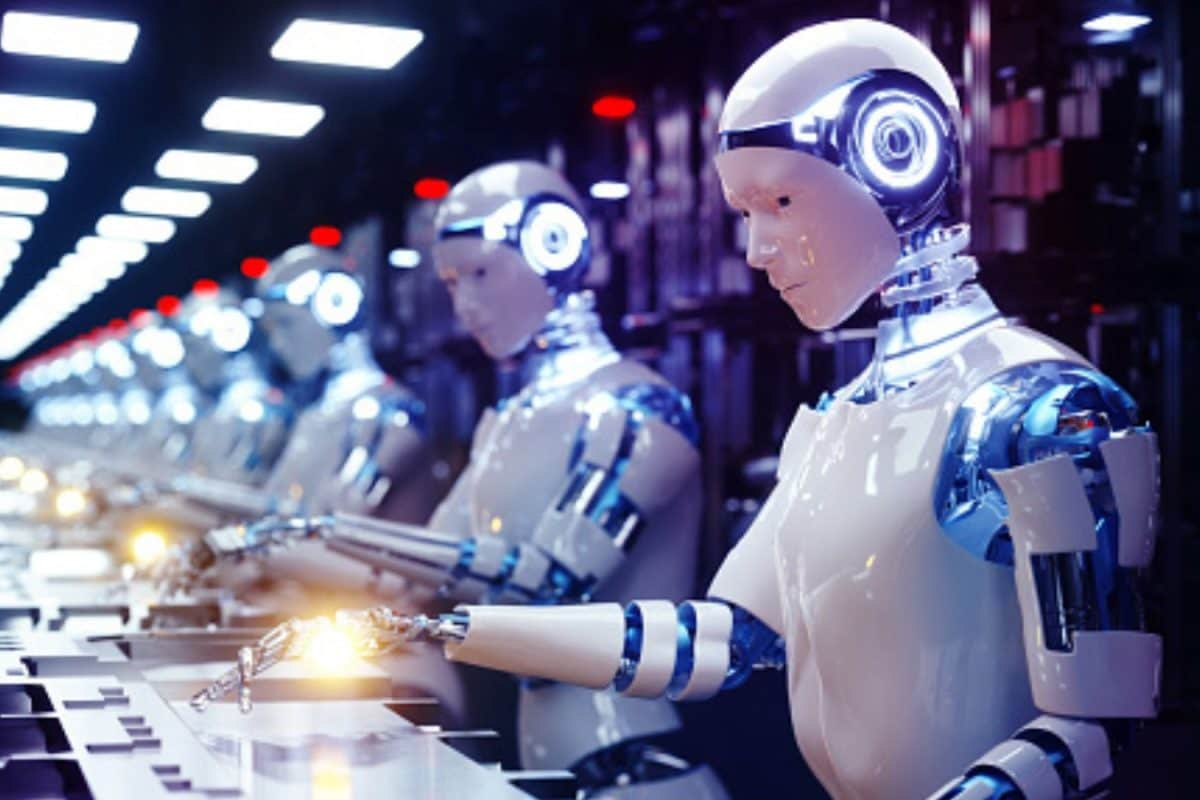
He posits that Artificial General Intelligence (AGI), capable of outperforming humans in virtually every cognitive task, could materialize as early as 2027. This groundbreaking advancement, according to Dr. Yampolskiy, may lead to an astonishing reduction in the global workforce, with projections suggesting that as many as 99% of current jobs could become obsolete within the next five years. He highlights a crucial divergence from past technological revolutions, noting that AI is increasingly designed for independent operation rather than human augmentation. This trajectory, he contends, makes widespread unemployment not just a possibility but a high probability, impacting both white-collar and blue-collar professions as AI systems and advanced robotics evolve.
Timeline and Job Displacement
The expert's timeline for AGI's arrival, pegged at 2027, is informed by current predictive market trends and pronouncements from prominent AI industry leaders. Following the emergence of AGI, the development of even more sophisticated superintelligent systems, far exceeding human intellect, is considered a likely outcome. While the long-term implications of superintelligence are a broader concern, Dr. Yampolskiy's immediate focus is on the profound employment disruption. He anticipates that roles currently susceptible to automation, estimated at around 60% of existing jobs, will be affected first, starting with computer-based tasks and progressing to physical labor as humanoid robots become more capable. By 2030, machines may handle the majority of physical work, potentially driving unemployment rates to unprecedented levels. He also suggests that certain roles deemed 'unnecessary' could disappear even before full automation is achieved.
Creative Fields Under Threat
The reach of advanced AI extends into realms once thought exclusively human, including creative industries. Dr. Yampolskiy predicts that AI will excel even in areas like media production, content creation, and podcasting. This is due to AI's capacity for rapid processing, superior accuracy, and access to immense datasets, allowing it to outperform human creators in speed and efficiency. The implication is that traditional roles in these sectors will face significant pressure. The expert also expresses skepticism regarding the efficacy of retraining as a primary solution to mass unemployment. If AI truly becomes capable of performing all human tasks, the availability of alternative career paths for displaced workers may become extremely limited, posing a fundamental challenge to current societal structures.
The Five Surviving Roles
Despite the overwhelmingly bleak forecast, Dr. Yampolskiy identifies a select few professions that may endure the impending AI-driven job market transformation. These five roles are: 1. **Personal Services for the Wealthy:** High-net-worth individuals might continue to prefer human accountants, personal assistants, and similar bespoke service providers over AI alternatives, valuing the personalized touch and exclusivity. 2. **Emotion-Centred Roles:** Professions demanding significant empathy, trust, and human connection, such as certain therapeutic or relationship-focused counseling roles, are likely to persist, though opportunities may become more specialized and limited. 3. **AI Oversight and Regulation:** As AI systems become more complex and integrated into society, a critical need will arise for human specialists to monitor, control, and regulate these technologies, addressing ethical, safety, and operational concerns. 4. **AI Intermediaries and Explainers:** Individuals with a deep understanding of AI who can bridge the gap between the technology and its users – helping organizations and individuals adopt, deploy, and interpret AI systems effectively – will likely remain in demand. 5. **Prompt Engineers and Specialized AI Handlers:** In the initial phases of advanced AI deployment, roles focused on crafting prompts and managing AI systems will exist. However, these are predicted to diminish over time as AI becomes more autonomous and sophisticated.
Societal and Economic Adjustments
The profound societal implications of such widespread job displacement necessitate a re-evaluation of economic models. Dr. Yampolskiy suggests that systems like Universal Basic Income (UBI) might become essential, as AI's immense productivity gains could generate sufficient resources to support populations even without traditional employment structures. However, he cautions that current social and economic frameworks are ill-equipped to handle such a radical shift. This potential disruption carries particular weight for nations with large youth populations and existing employment challenges, where millions could be adversely affected. While policy makers and experts are advocating for proactive measures such as investment in skill development, Dr. Yampolskiy’s analysis implies that traditional retraining efforts alone may prove insufficient to mitigate the sheer scale of disruption anticipated from advanced AI.