The Screen-Based Frontier
The accelerating integration of artificial intelligence into various industries presents a significant shift, particularly for occupations primarily conducted
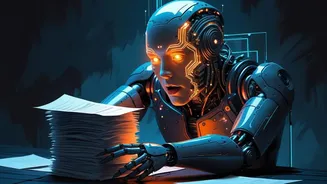
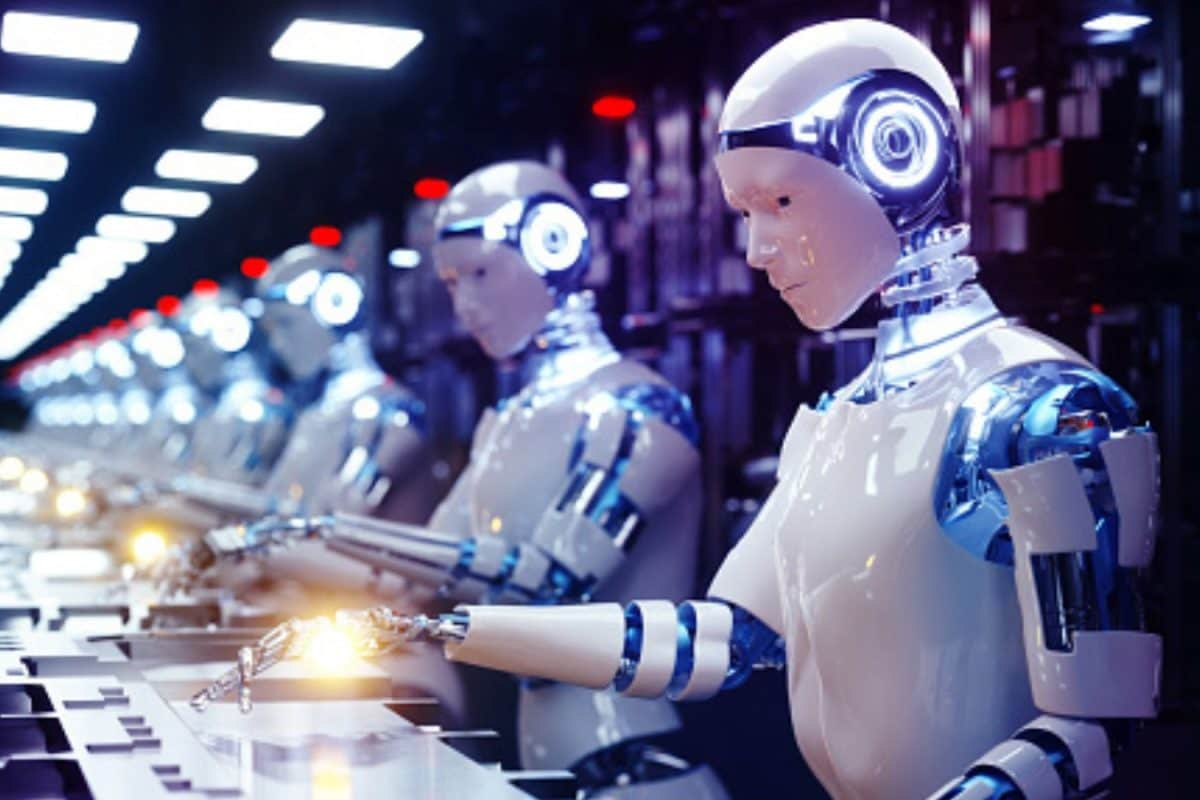
on digital interfaces. HyperWrite CEO, seeking to illuminate this evolving landscape, points to the inherent susceptibility of jobs that involve constant interaction with computer screens. These roles, by their nature, often encompass tasks that AI algorithms are becoming increasingly adept at performing, such as data analysis, content generation, and routine communication. The core of this concern lies in the ability of AI to process information, identify patterns, and execute directives with speed and precision that can often surpass human capabilities. This doesn't necessarily signal an immediate eradication of these roles, but rather a profound transformation, necessitating a re-evaluation of skill sets and professional development to adapt to this technological wave.
Jobs Under AI's Gaze
Certain screen-dependent professions are standing at the forefront of AI's potential disruption. Roles that involve extensive data entry, repetitive coding tasks, basic customer service via chat or email, and even some forms of content creation, like drafting standard reports or social media posts, are prime candidates for automation. The CEO highlights that jobs requiring a high degree of analytical processing of digital information, where rules and patterns can be clearly defined, are particularly susceptible. This includes functions like initial legal document review, transcription services, and certain types of financial reporting. The efficiency and scalability that AI offers in handling these predictable, screen-centric tasks mean that businesses may increasingly turn to these technologies to streamline operations and reduce costs, prompting a need for individuals in these fields to anticipate and prepare for changes in their day-to-day responsibilities and the overall structure of their work.
Navigating The Transition
As AI continues its technological march, the imperative for individuals in affected professions is to adapt rather than resist. This involves embracing new tools and developing complementary skills that AI cannot easily replicate. Focus areas should include critical thinking, complex problem-solving, emotional intelligence, and creativity – aspects where human intuition and nuanced understanding remain paramount. Upskilling and reskilling programs will be crucial in helping the workforce transition smoothly. This might involve learning to manage AI systems, interpret their outputs, or focus on the strategic and interpersonal elements of a role that AI can support but not fully replace. The future likely holds a more collaborative relationship between humans and AI, where technology augments human potential, leading to a redefined professional landscape.