The Shifting Political Climate
The upcoming 2026 West Bengal Assembly elections are shaped by a discernible rise in voter dissatisfaction. However, this discontent is counterbalanced
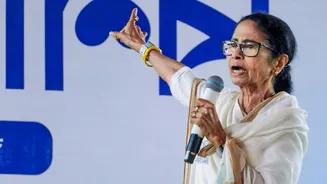
by a robust welfare system meticulously crafted by Chief Minister Mamata Banerjee and her Trinamool Congress (TMC). The pivotal question facing the electorate is not the mere existence of anti-incumbency sentiment, but its actual potency to unseat a political model that has consistently ensured electoral triumphs for over a decade. Preliminary opinion polls suggest a continued mandate for the TMC, albeit with a reduced majority compared to its previous performance. Projections indicate the party will likely secure a comfortable win in the 294-seat Assembly, though the Bharatiya Janata Party (BJP) is anticipated to strengthen its position, suggesting a more contested political environment rather than a complete overthrow of the current government. Despite these shifts, Mamata Banerjee maintains a significant advantage in leadership preference over her closest rival, Suvendu Adhikari, underscoring her sustained personal connection with the voters of West Bengal.
Economic Discontent and Key Concerns
Underlying the voter dissatisfaction in West Bengal are primarily economic grievances. Job creation and overall development have surfaced as the most critical issues preoccupying the minds of the electorate. Following closely behind are concerns regarding law and order and the safety of women. Additionally, there's a notable unease concerning the ongoing Special Intensive Revision (SIR) exercise, which involves electoral roll updates. Significantly, a considerable segment of the population expresses skepticism about the efficacy of current welfare initiatives in addressing the pervasive issue of unemployment, highlighting a disconnect between immediate relief measures and the public's aspirations for long-term economic solutions. This widespread discontent, however, has not yet coalesced into a definitive, sweeping anti-incumbency wave that would signal a complete rejection of the ruling party.
Selective Voting Patterns
West Bengal's electoral history reveals a nuanced pattern of voter behavior, leaning more towards selective choices rather than a wholesale dismissal of incumbent parties. A substantial number of sitting legislators have successfully retained their seats across multiple election cycles, demonstrating that voters often distinguish between the performance of individual representatives and the broader governance of the ruling party. This phenomenon suggests a form of 'corrective' anti-incumbency, where the electorate might withdraw support from specific seats without necessarily displacing the government as a whole. This intricate electoral dynamic means that while dissatisfaction exists, it may not translate directly into a decisive electoral defeat for the incumbent party, offering a buffer against a complete political upheaval.
The Welfare Architecture's Strength
The enduring appeal and electoral resilience of the TMC are fundamentally rooted in its comprehensive welfare framework. Programs like Lakshmir Bhandar, Kanyashree, and Swasthya Sathi have successfully established an extensive network of beneficiaries, particularly among women and economically disadvantaged segments of the population. As the 2026 elections approach, the party has reinforced this strategy through its 'Didi’s 10 promises' agenda. This initiative includes expanded direct cash transfer benefits, targeted support for unemployed youth, enhanced access to healthcare services, and increased budgetary allocations for the agricultural sector. This consistent focus on welfare ensures sustained voter engagement by delivering tangible, recurring advantages directly to households, making these schemes a cornerstone of the TMC's electoral strategy and a significant factor in their continued political viability.
Financial Strain and Trade-offs
Despite its effectiveness, the TMC's welfare-centric model faces inherent limitations, primarily concerning fiscal sustainability. The state of West Bengal is grappling with a rising debt burden and substantial expenditure on social sector programs. A significant portion of the state's annual budget is now allocated to fulfilling these welfare commitments. This necessary prioritization leads to unavoidable trade-offs, impacting investments in crucial areas such as the development of education infrastructure, enhancements to healthcare facilities, and the provision of incentives for industrial growth. These financial adjustments underscore the increasing pressure on the state's resources required to maintain the extensive welfare initiatives that have become central to the government's appeal and electoral success.
The Path to 2026
The ultimate outcome of the 2026 West Bengal elections will largely depend on whether the existing voter dissatisfaction can transform into a unified and pervasive sentiment across the entire state. Should concerns related to employment opportunities and governance issues intensify and converge among a larger electorate, the electoral margin could narrow considerably. Conversely, if the loyalty generated by welfare schemes, particularly among the core beneficiary groups, remains steadfast, the TMC is likely to retain power, albeit with a reduced majority. As things stand, West Bengal appears poised for a continuation of the current political leadership, but the upcoming elections signal a more competitive and closely watched political landscape compared to previous electoral contests.