Understanding Masik Shivaratri
Masik Shivaratri, observed monthly on the Chaturdashi tithi of the Krishna Paksha, is a revered occasion in the Shaiva tradition, dedicated to Lord Shiva.
While Maha Shivaratri holds supreme importance, the monthly observance is equally potent for spiritual purification, cultivating self-discipline, and achieving inner enlightenment. Ancient scriptures, including the Shiva Purana and Linga Purana, highlight the immense spiritual merit gained through Shiva's worship on this day, emphasizing its ability to dissolve karmic encumbrances and foster a deeper connection with the divine. This practice encourages devotees to engage in focused devotion, leading to heightened spiritual awareness and a sense of transcendence.
Key Timings for 2026
For Masik Shivaratri in 2026, specific timings are crucial for devotees to perform their rituals with precision. The Chaturdashi tithi commences on February 15 at 5:05 PM and concludes on February 16 at 5:34 PM. The auspicious Nishita Kaal Puja, a significant period for worship, is scheduled from 12:15 AM to 1:06 AM on February 16. Following the main observances, the Shivaratri Parana time, when the fast is broken, extends from 7:02 AM to 5:34 PM on February 16. These timings, based on Ujjain for the IST zone, offer a structured framework for devotees to engage in the sacred practices throughout the observance period, ensuring they align with the most potent astrological alignments.
Observance and Rituals
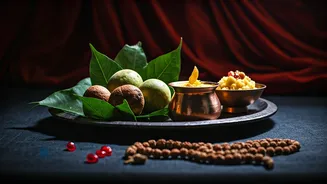
The observance of Masik Shivaratri involves a deep spiritual commitment, often including a day-long fast that may extend into the following day, symbolizing vigilance over one's senses. Devotees typically engage in the abhishekam of the Shivalinga, anointing it with sacred offerings like water, milk, and bilva leaves, which are particularly dear to Lord Shiva. The night is often dedicated to continuous worship, involving the chanting of mantras, reciting devotional hymns (stotras), and profound meditation. These practices are designed to foster detachment from worldly desires (vairagya) and reinforce the understanding of Shiva as the ultimate, residing inner self. Reading or listening to the Shivaratri Vrat Katha is also a central aspect, recounting Lord Shiva's benevolence and his role as the vanquisher of fear and ignorance.