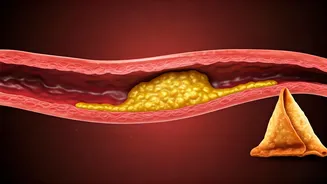
The Samosa Calculus
The simple joy of a ₹20 samosa, a popular evening snack, can have surprisingly severe long-term consequences, as illustrated by a Delhi-based cardiologist's
viral post. He calculated that indulging in one samosa daily for 15 years, at ₹20 each, totals ₹90,000. However, he starkly points out that this isn't saving money; it's akin to taking a loan against your arteries at a staggering 400% interest, with the potential for a future angioplasty procedure costing around ₹3 lakh. This financial breakdown underscores the hidden health costs associated with regular consumption of such unhealthy fried snacks. The cardiologist's analogy emphasizes that what feels like a small, affordable treat can silently lead to a cascade of health issues, making it a profoundly expensive habit in the long run. The calculation serves as a wake-up call regarding the cumulative impact of seemingly minor dietary choices on our well-being and future healthcare expenses.
Beyond the Samosa
While the samosa serves as a focal point, the discussion quickly broadens to encompass the entire spectrum of unhealthy eating habits prevalent today. Many argue that the issue isn't solely the samosa itself, but rather the quality of oil used and the overall dietary pattern. The cardiologist's warning is often interpreted as a call to address the ubiquity of fried and processed foods, soft drinks, pizzas, burgers, and mayonnaise, which contribute to a similar detrimental effect on health. The core message is about recognizing that the problem extends beyond one specific snack; it's about a general trend towards convenience foods laden with trans fats, excessive carbohydrates, and high salt content. These ingredients collectively harden arterial walls, elevate blood pressure, and disrupt the balance of cholesterol, creating a fertile ground for cardiovascular ailments. The debate highlights the need for a holistic approach to diet, acknowledging that numerous food choices can contribute to arterial damage and eventual health complications.
Arterial Health Explained
Consultant interventional cardiologist Dr. Parin Sangoi clarifies that the real concern lies in the cumulative effect of frequent consumption of fried and processed foods, with the samosa representing a common example. Each serving of such food quietly contributes to the buildup of cholesterol, triggers inflammation, and induces oxidative stress within the vascular system. Over time, this process leads to the formation of arterial plaque, causing a narrowing of the arteries and reducing blood flow to the heart. Dr. Sangoi emphasizes that foods rich in trans fats, high carbohydrates, and salt actively contribute to the hardening of blood vessel walls, spike blood pressure, and negatively alter the balance between 'bad' (LDL) and 'good' (HDL) cholesterol. Conversely, a diet abundant in fruits, vegetables, and nuts, packed with fiber and antioxidants, promotes a healthy, elastic inner lining of the arteries. Therefore, every meal plays a crucial role, either promoting healing or contributing to damage within the cardiovascular system.
Modern Lifestyles
The demands of contemporary work life often push individuals towards convenience over nutrition, leading to missed proper meals and reliance on quick, fried options. Dr. Sangoi stresses that convenience should never compromise health, advocating for simple yet impactful dietary adjustments. Opting for roasted snacks instead of fried ones, or incorporating fruit into lunch, can make a significant positive difference. Furthermore, he points out that underappreciated yet vital preventive measures include staying adequately hydrated, engaging in gentle physical activity, and practicing mindful eating. These habits, often overlooked in the hustle of daily life, are powerful tools for maintaining heart health. The key takeaway is that small, conscious choices throughout the day can collectively mitigate the risks associated with unhealthy eating patterns, promoting a healthier heart despite the pressures of modern living.
Heart Health Today
A critical aspect highlighted by Dr. Sangoi is the alarming trend of heart disease affecting individuals at much younger ages, often in their 30s, rather than waiting until their 50s. This surge is attributed to a potent combination of factors: pervasive stress, insufficient sleep, and a generally poor diet converging to create a high-risk environment for the heart. He frames taking care of one's heart not as a restriction, but as a fundamental act of self-respect. The choices made today have a direct and profound impact on the longevity and quality of one's heart health in the future. This message is particularly relevant for younger generations who may underestimate their susceptibility to cardiovascular issues, emphasizing that proactive health management is essential from an earlier stage of life.