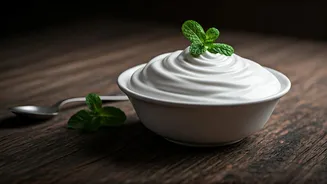
Simple Curd Preparation
Creating your own curd at home offers a healthier alternative to store-bought varieties, as it eliminates the need for artificial preservatives and additives
that can be detrimental to long-term health. Digital creator Shashank Asli recently shared three straightforward approaches to consistently produce curd at home. The fundamental step involves dividing one litre of whole milk into three separate bowls. Each method then introduces a unique element to initiate the fermentation process, leading to distinct yet satisfying results. This process not only ensures a purer product but also provides a cost-effective way to enjoy fresh curd daily, making it a staple for summer and beyond. The ease of these methods makes them accessible for anyone looking to enhance their dietary intake with a nutrient-rich dairy product. Understanding these techniques allows for greater control over the final texture and taste of your homemade curd.
Lemon Juice Method
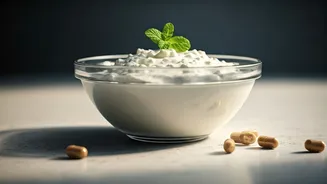
The first method utilizes the natural acidity of lemon juice to kickstart the curdling process. By adding the juice of half a lemon to a portion of the milk, you introduce an acidic environment that encourages the milk proteins to coagulate. This results in a thick curd that possesses a pleasant tanginess and a good, firm consistency. The lemon juice acts as a natural coagulant, mimicking the effect of bacterial cultures but in a quicker, more direct manner. This approach is particularly useful for those who want a consistently thick texture. The outcome is a delightful curd that is ideal for both sweet and savory preparations, offering a slightly zesty note that can enhance various dishes. The simplicity of this method makes it an attractive option for beginners seeking reliable results.
Green Chilli Method
For the second technique, a whole green chilli or one with its top removed is introduced to the milk. Green chillies naturally host lactobacillus bacteria on their surface, which are the key microorganisms responsible for the fermentation process that turns milk into curd. While this method might sound unusual, it effectively sets the curd well. Importantly, the resulting curd does not carry a strong chilli flavor, offering a subtle essence at most. However, it is worth noting that curd prepared using this method tends to be slightly thinner compared to the curd made with lemon juice. This method is an excellent example of how beneficial bacteria naturally present in everyday ingredients can be harnessed for culinary purposes, offering a unique way to achieve homemade curd.
Curd Starter Method
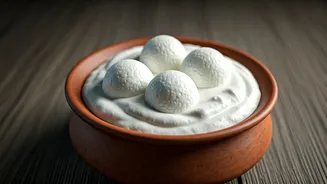
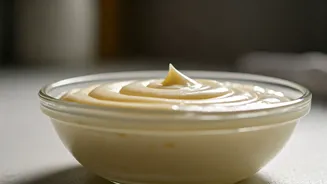
The most traditional and arguably the most reliable method for making curd involves using a small amount of existing, good-quality curd as a starter culture. This approach leverages a spoonful of previously prepared curd, which is rich in active lactobacillus bacteria. These live cultures then propagate in the new batch of milk, initiating and driving the fermentation process efficiently. The outcome of this method is consistently perfect curd with the familiar texture and taste that most people associate with homemade dahi. Because you are essentially re-cultivating curd from a proven source, this method minimizes the risk of failure and is ideal for achieving the best possible consistency and flavor profile. It's the go-to for many households due to its predictability and excellent results.
Nutritional Advantages
Homemade curd is a powerhouse of nutrients and offers significant health benefits, as highlighted by Sushma PS, chief dietitian. It is teeming with probiotics, which are vital for maintaining a healthy gut microbiome and significantly aiding digestion. For individuals with lactose intolerance, the fermentation process in curd can break down lactose, making it easier to digest. Beyond gut health, curd is nutrient-dense, providing essential proteins for muscle repair and satiety, calcium crucial for strong bones and teeth, phosphorus for bone health, and various B-vitamins necessary for energy metabolism and nerve function. Incorporating homemade curd into your daily diet is a simple yet effective way to boost your overall health and well-being, ensuring you receive pure, unadulterated goodness.
Tips for Thick Curd
To achieve a particularly thick and firm curd, certain preparation steps are crucial. Using whole milk is recommended as its higher fat content contributes to a richer, thicker consistency. Further simmering the milk for an additional 10 minutes after it reaches boiling point helps to evaporate excess water and concentrate the milk solids, which in turn leads to thicker curd when it sets. It's important, however, to stir occasionally during this simmering phase to prevent the milk from burning. Before adding the curd culture, ensure it's at room temperature and of good quality. Frothing the milk, by pouring it back and forth between two vessels several times, is another key step that incorporates air and aids in achieving a thicker texture. Consistency is key, so practice makes perfect when aiming for the ideal thickness.
Do's and Don'ts
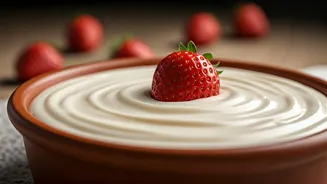
When preparing homemade curd, adhering to a few guidelines ensures optimal results. Always use fresh, good-quality curd as a starter; avoid using sour or old curd, as this will negatively impact the taste and texture of your new batch. Ensure the starter culture is uniformly dissolved into the milk by whisking well. Earthenware vessels are often recommended for setting curd as they allow for slow and even cooling, contributing to a better texture. For those in colder climates, extending the setting time or keeping the curd in a warm environment, like a switched-off oven or wrapped in warm clothing, is advised. Patience is essential; allow sufficient time for the curd to set properly, which can vary based on ambient temperature. Remember that the quality of your milk significantly influences the final consistency, so don't be discouraged if your first few attempts aren't perfect; adjustments will help you master the process.