Optimize Charging Location
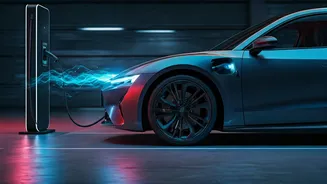
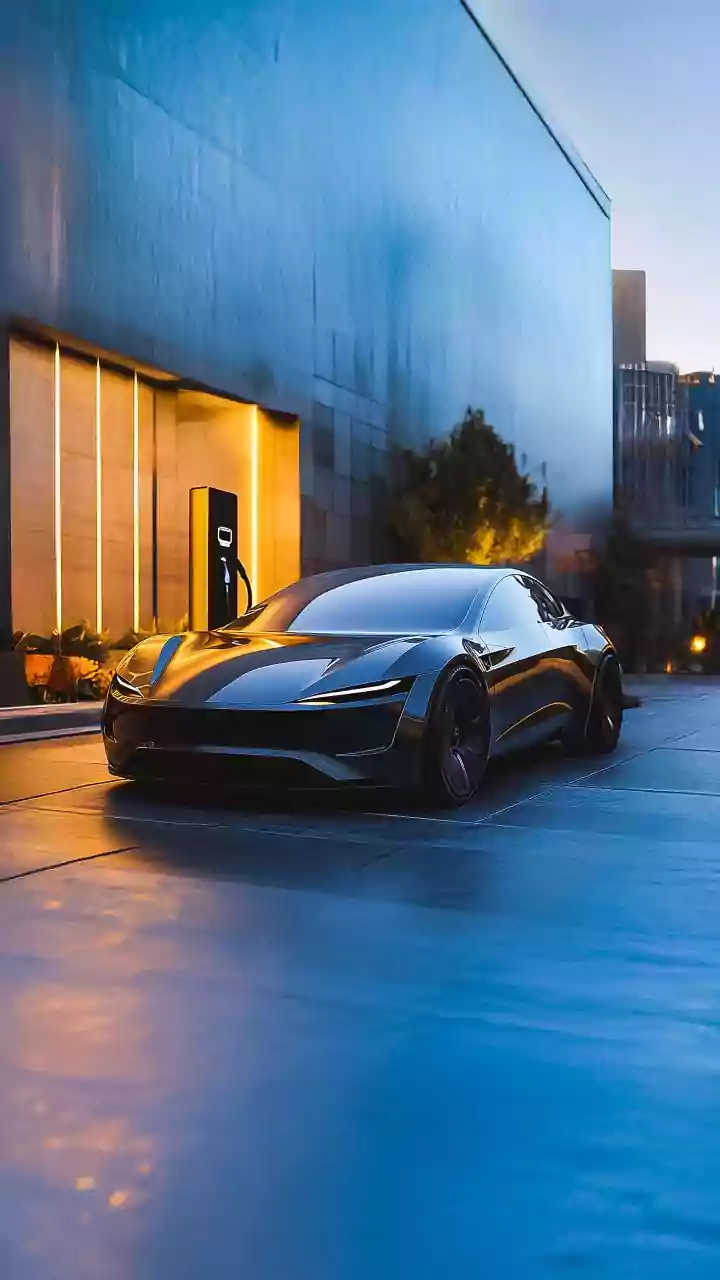
Selecting the right spot for charging your electric vehicle can make a surprising difference in speed and battery care. Opting for cooler environments,
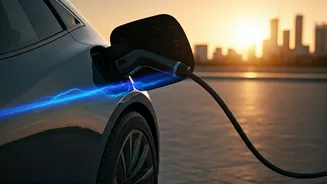
away from direct sunlight, is crucial. Extreme temperatures, especially heat, can slow down charging processes and accelerate battery degradation over time. When charging at home, consider using a shaded garage or carport. If you're relying on public charging stations, try to find one that's not exposed to intense solar radiation. Furthermore, ensuring a stable and secure connection at the charging point prevents interruptions that can lead to inefficient charging cycles. A consistently reliable power source minimizes the stress on your EV's battery management system, allowing for a smoother and more effective charge. Paying attention to these environmental factors and connection stability can significantly enhance your overall charging experience and contribute to the longevity of your vehicle's most vital component.
Utilize Higher Amperage
For those who own an electric vehicle, leveraging a higher amperage charging setup can dramatically cut down charging times. This essentially means drawing more electrical current to replenish your battery at a quicker pace. While standard outlets might offer a trickle charge, upgrading to a Level 2 charger, which typically operates at 240 volts and higher amperage, can reduce charging duration by more than half. It's important to ensure your home's electrical system is capable of supporting this higher draw and that the charger itself is rated appropriately. Always consult with a qualified electrician to assess your home's infrastructure and for safe installation of a higher amperage charging solution. This investment not only saves you time but also makes EV ownership more practical for daily use, especially for individuals with longer commutes or those who need to recharge quickly between trips.
Smart Charging Schedules
Implementing smart charging schedules is a sophisticated approach to balancing charging speed with battery health. Many modern EVs and charging stations offer features that allow you to program when your vehicle charges. By setting your EV to charge during off-peak electricity hours, you can often benefit from lower energy costs. More importantly for speed, some systems allow you to schedule charging to conclude just before you plan to leave. This ensures the battery reaches its optimal state of charge without dwelling at 100% for extended periods, which can be detrimental to its long-term capacity. Additionally, some smart chargers can intelligently manage the charging rate based on ambient temperature and battery condition, further safeguarding your battery while aiming for efficient replenishment. This proactive management maximizes both convenience and the lifespan of your electric car's battery.
Maintain Optimal Battery Temperature
The operational temperature of your EV's battery plays a critical role in both charging speed and its overall longevity. Batteries perform best within a specific temperature range; extremes, both hot and cold, can impede charging efficiency and accelerate wear. If possible, preconditioning your battery before charging can be highly beneficial. This might involve using your vehicle's climate control system to bring the battery to an ideal temperature, especially in very cold or very hot weather. Many EVs automatically manage battery temperature during charging, but actively facilitating this through preconditioning can yield faster charge rates. Avoiding charging immediately after strenuous driving, which heats up the battery, or in direct, intense sunlight will also help maintain a more favorable temperature. A well-managed battery temperature leads to more consistent and rapid energy transfer.
Consider DC Fast Charging
For those times when speed is of the utmost importance, DC fast charging presents the quickest solution available today. Unlike Level 1 and Level 2 chargers that use alternating current (AC) from the grid and convert it onboard, DC fast chargers bypass the car's onboard converter and deliver direct current (DC) directly to the battery. This significantly accelerates the charging process, allowing EVs to gain substantial range in a relatively short period, often under an hour. While extremely convenient for long journeys or quick top-ups, it's generally recommended not to rely solely on DC fast charging for routine charging. Frequent use of high-power DC charging can put more stress on the battery over time compared to slower AC charging methods. Therefore, using DC fast charging judiciously, primarily for travel or emergencies, is the best strategy to benefit from its speed without unduly impacting battery health.