Stay Alert, Focused
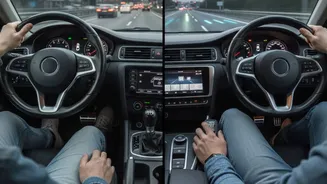
The first rule of safe driving is to remain vigilant and avoid all distractions. This means putting away your phone, resisting the urge to eat or drink
while driving, and ensuring your full attention is on the road. Driving under the influence of anything that impairs your focus, including drowsiness or medications, can be extremely risky. To maintain alertness, ensure you're well-rested before a long journey, and take breaks every couple of hours if you start feeling tired. It's essential to recognize that any lapse in concentration can lead to dangerous situations and potential accidents, so prioritizing your focus is the cornerstone of responsible driving. Keeping your mind clear of distractions is about being proactive and consistently aware of your surroundings.
Avoid Emotional Driving
Driving when emotionally disturbed can be as dangerous as driving under the influence of alcohol. Strong emotions like anger, sadness, or stress can impair your judgment and reaction time. This can lead to aggressive driving or poor decisions. It's wiser to postpone your drive until you've calmed down. Take some time to relax, listen to music, or talk to someone to regain composure. Safe driving requires a clear mind. Make sure you are in a stable emotional state before getting behind the wheel. Remember, your emotional state directly impacts your ability to handle unexpected situations on the road and to ensure everyone's safety, including your own.
Obey Traffic Laws
Always adhere strictly to traffic signals and road signs. These are in place to regulate traffic flow and to ensure the safety of all road users. Ignoring them can cause confusion, lead to accidents, and disrupt traffic. This also includes sticking to the speed limit. Speed limits are set based on various factors, including road conditions, visibility, and pedestrian presence. Respecting them can give you more time to react to hazards, and significantly reduce the chance of serious collisions. Road signs aren't suggestions; they are directives that must be followed. Therefore, always approach traffic lights with caution and obey all instructions to maintain a safe and controlled driving environment.
Never Drink & Drive
It goes without saying, but it is extremely important to never drink and drive. Alcohol impairs judgment, slows reaction times, and reduces coordination – all critical skills for driving. If you plan to drink, designate a sober driver, use a ride-sharing service, or take a taxi. Don't let yourself or anyone else get behind the wheel after consuming alcohol. The consequences of drinking and driving are severe, ranging from legal penalties to causing serious injury or fatalities. If you're hosting or attending a gathering where alcohol is served, arrange for safe transportation options in advance. Making responsible choices about alcohol and driving protects your life and the lives of others.
Take Regular Breaks
Long drives can be physically and mentally draining. To combat fatigue, take regular breaks. This is especially important on extended journeys. Pull over every two hours or so, stretch your legs, and get some fresh air. Even a short break can help you regain focus and prevent drowsiness. During breaks, it's a good time to check your vehicle's condition, ensuring that everything is functioning correctly. Staying hydrated and eating light snacks can also help keep you alert. Regular breaks aren't a luxury; they are a necessity for safe and comfortable driving. By incorporating these breaks into your driving routine, you can significantly reduce the risk of accidents caused by driver fatigue.
Adapt to Weather
Driving conditions change dramatically with the weather. Rain, fog, snow, and ice require adjustments in your driving style. Reduce your speed, increase following distances, and turn on your headlights. In adverse conditions, visibility is reduced, and stopping distances are increased. Be extra cautious and prepare for unexpected hazards. If the weather is too severe, consider postponing your trip. Never take unnecessary risks by driving in conditions you are not comfortable with. By adapting to the weather and modifying your driving behavior, you can increase your safety on the road. The goal is to always arrive safely at your destination.
Plan Your Route
Before starting any journey, carefully plan your route. This is important for both short and long trips. Use a navigation app or map to identify the best route and be aware of potential delays or obstacles. This also means checking traffic conditions, construction zones, and alternate routes. Pre-planning your trip helps you stay calm and focused. It also prevents last-minute decisions made under pressure. Knowing your route allows you to anticipate turns, merges, and other driving challenges. By being prepared, you can avoid unnecessary stress and ensure a smoother, safer drive. Efficient route planning can save time and contribute to a more relaxed and controlled driving experience.
Anticipate Road Hazards
Always look ahead and anticipate potential road hazards. Scanning the road ahead helps you identify possible dangers. This includes pedestrians, cyclists, other vehicles, and changes in road conditions. Maintaining a safe following distance gives you adequate time to react to any unexpected events. Watch for brake lights of vehicles ahead, and be prepared to stop. If you see anything unusual, such as a parked car on the shoulder or something obstructing the road, prepare to adjust your speed or change lanes. Keeping your eyes ahead can make all the difference in preventing accidents. By being proactive and observing your surroundings, you increase your chances of arriving safely.
Wear Seatbelts Always
Seatbelts are a crucial life-saving device. Make sure everyone in your vehicle wears a seatbelt at all times, including those in the back seats. Seatbelts significantly reduce the risk of injury and death in a crash. Ensure seatbelts are fastened correctly and are not twisted or damaged. It's the law, and the single most effective safety device in your car. Make it a habit. Remind passengers to wear their seatbelts, and make it part of your routine. By buckling up, you're protecting yourself and others in the vehicle. This is a non-negotiable step to ensuring a safe drive and arriving in the destination.
Practice Courteous Driving
Being patient and courteous on the road makes a big difference in maintaining a safe environment. Avoid aggressive behavior such as tailgating, speeding, or making angry gestures. Give way to other drivers, use your indicators, and be willing to let others merge. This type of driving fosters a sense of respect and understanding among all road users. It contributes to a calm driving experience. Be mindful of pedestrians, cyclists, and other vulnerable road users. Patience can prevent many road rage incidents and reduce the chances of accidents. Promoting courtesy and patience on the roads makes them safer for everyone.