A Historic Microbial Designation
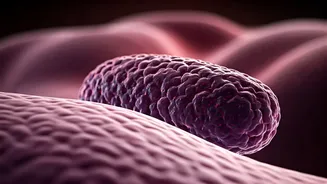
Kerala has achieved a significant milestone by becoming the first state in India to officially recognize a specific microbe: the bacterium Bacillus subtilis. This declaration coincided with the grand opening
of the Centre of Excellence in Microbiome (CoEM) in Thiruvananthapuram, a facility dedicated to advancing research and innovation in the field of microorganisms. Operating under the guiding principle of 'Microbes for Life,' CoEM aims to explore the profound influence of these tiny organisms on sustainability, human well-being, and the environment. The center distinguishes itself by adopting an interdisciplinary approach, moving away from siloed research. Instead, it investigates microbes across diverse domains—human health, animal husbandry, plant life, aquatic ecosystems, and environmental mediums—with the ultimate goal of translating scientific discoveries into tangible, real-world benefits. CoEM also intends to serve as a nurturing ground for young entrepreneurs, providing them with a platform to propel their research forward and contribute to the burgeoning field of microbiome science.
Bacillus Subtilis: A Versatile Microbe
The selection of Bacillus subtilis as Kerala's state microbe was a deliberate and well-considered decision, following extensive deliberations by a dedicated committee comprising researchers, medical professionals, and academics. This resilient bacterium is naturally found in a variety of environments, including soil, water bodies, the human gut, and fermented foods, underscoring its adaptability and safety. Its prevalence has been noted across Kerala's unique landscapes, such as mangrove forests and traditional fermented food items. The utility of Bacillus subtilis is remarkably broad, spanning multiple sectors. In agriculture, it serves as a bio-fertilizer, significantly enhancing crop yields, and also functions as a biocontrol agent, offering protection against plant diseases. Industrially, it plays a role in the production of enzymes. Furthermore, it contributes to environmental purification processes, including wastewater treatment. Most critically, it is recognized as a vital probiotic, essential for maintaining the health of both humans and animals.
Gut Health: The Body's Second Brain
The recognition of beneficial microbes like Bacillus subtilis holds profound implications, particularly in our post-pandemic world, reminding us that not all microorganisms are detrimental; many are highly advantageous. This understanding is increasingly vital for the general populace, especially concerning gut health. Experts often refer to the gut as the body's 'second brain' due to its substantial impact on both physical and mental well-being. For conditions such as Irritable Bowel Syndrome (IBS), constipation, and diarrhea, beneficial bacteria play a key role in management. Modern lifestyles, characterized by stress, poor dietary habits, and the overuse of antibiotics, unfortunately, decimate the essential bacteria crucial for optimal gut function. While medical interventions exist, natural sources like curd, yogurt, buttermilk, and fermented foods like natto offer excellent avenues for nurturing these vital microbes. The intricate connection between the gut and the rest of the body is frequently underestimated; even conditions like migraines can be influenced by gut imbalances. When the gut microbiome is disrupted, it can trigger inflammatory responses that affect the nervous system, making youngsters particularly susceptible.
Microbiome Imbalance and Its Impact
Numerous studies highlight the growing concern surrounding gut health and its broader systemic effects. For instance, reports indicate a significant prevalence of IBS, often linked not only to dietary factors but also to stress, anxiety, and depression. A statewide survey in Kerala revealed a considerable number of patients suffering from various forms of Irritable Bowel Disease (IBD). Furthermore, research published in the 'Journal of Family Medicine and Primary Care' indicated a high prevalence of functional gastrointestinal disorders (FGIDs) among adults in the region, suggesting the need to bolster healthcare systems with ground-level programs focused on these issues and probiotics. Emerging research also points to potential links between gut microbiome alterations and an increased risk of Parkinson's disease, suggesting that lifestyle-induced changes in gut flora might influence the development or progression of neurodegenerative conditions. Beyond physical health, gut microbiome imbalances can affect hormonal equilibrium, including the production of serotonin, the 'happy hormone,' potentially contributing to mood disorders. This imbalance can also manifest as indigestion and bloating, impacting productivity, and is further linked to obesity and metabolic disorders.
Embracing Fermented Foods for Wellness
The push for greater awareness about gut health, spurred by initiatives like the 'state microbe' designation, is crucial for addressing the escalating prevalence of gut-related issues. Healthy gut microbes are fundamental for effective nutrient absorption and assimilation; when the microbiome is suboptimal, the entire body's function can be compromised, from head to toe. Modern dietary habits, including excessive consumption of processed foods, alcohol, smoking, irregular meal timings, high caffeine intake, and the indiscriminate use of antibiotics, significantly tax the gut microbiome. This pattern is commonly observed among individuals seeking healthier lifestyles. Maintaining gut health is intrinsically linked to a balanced diet rich in fiber, which acts as prebiotics—the essential fuel for beneficial gut microbes. Hydration and regular exercise are also cornerstones of holistic wellness. Fermentation plays a pivotal role in enhancing the growth of beneficial microbes in edible items, lending them both a distinctive flavor and potent probiotic benefits. Traditional fermented foods like pazhankanji, appam, idli, dosa, brine pickles, and spiced buttermilk (sambharam) are now recognized for their gut-health advantages. These are joined by fermented drinks from other regions, such as Kanji, Tanka torani, and Ambil, alongside ubiquitous staples like curd, which forms the base of many traditional Kerala dishes. Newer additions like kombucha and tepache are also gaining popularity, offering diverse ways to support digestive health and manage weight.