Body's Energy Demand
When the mercury drops, your body expends significantly more energy to maintain its core temperature through a process known as thermogenesis. This increased
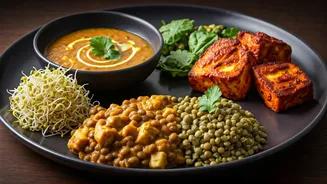
metabolic activity necessitates a higher caloric intake. Consequently, your brain naturally steers you towards energy-dense foods that are rich in fats and carbohydrates, providing a quick and sustained source of fuel. Dishes like hearty rice preparations, ghee-infused dals, and slow-cooked curries become particularly appealing as they efficiently replenish your energy stores, helping you feel warmer from the inside out.
Hormonal Shifts in Winter
The arrival of colder weather triggers subtle yet significant alterations in your body's hormonal balance. Research indicates that cold temperatures can influence key hunger and satiety hormones. Specifically, ghrelin, often called the 'hunger hormone,' may increase, leading to more frequent feelings of emptiness. Simultaneously, leptin, which signals fullness, might be affected. Furthermore, reduced exposure to sunlight during winter can disrupt overall hormonal equilibrium, exacerbating cravings, particularly for sugary and fatty items. This hormonal interplay is why you might find yourself feeling hungry shortly after eating a substantial meal.
Mood and Sunlight Connection
Shorter days and diminished sunlight can have a noticeable impact on your mood by potentially lowering serotonin levels. Serotonin is a crucial neurotransmitter that plays a vital role in regulating happiness and emotional stability. Comfort foods, especially those high in carbohydrates, can offer a temporary boost in serotonin production, providing a much-needed mood lift. This explains the comforting sensation derived from warm desserts or the temporary emotional solace found in carb-heavy meals and familiar dishes from childhood. For many in India, this translates to a yearning for foods associated with warmth, security, and home, such as dal-chawal, halwa, or piping hot chai with biscuits.
The Comfort of Warmth
The appeal of comfort food extends beyond taste to its physical temperature. Warm meals offer tangible benefits by improving blood circulation, relaxing tense muscles, and aiding digestion. In traditional Indian wellness practices like Ayurveda, winter is viewed as an optimal time for digestion, capable of handling richer foods. This aligns with modern scientific understanding, which recognizes that warm foods are gentler on the digestive system during colder periods. Your body's craving is not solely for calories but also for the soothing sensation of thermal comfort that warm dishes provide.
Ancestral Survival Instincts
Long before the convenience of modern food availability, winter represented a period of potential scarcity. Our ancestors evolved to capitalize on abundant food sources by consuming more and storing energy as body fat. This evolutionary adaptation ingrained a preference for high-calorie foods during colder months. Even in contemporary times, your brain can interpret cold weather as a signal to prepare and conserve resources, triggering these ancient survival mechanisms. These comfort food cravings are a manifestation of this deeply rooted biological programming, designed to ensure survival through challenging periods.
Emotional Nourishment
Winter often leads to a shift in lifestyle, with reduced outdoor activities, more time spent indoors, and potentially slower social interactions. During these times, food takes on an added role as a source of emotional warmth and connection. Familiar flavours and dishes frequently evoke cherished memories of family gatherings, festive celebrations, and comforting childhood experiences. In cultures like India, where food is intrinsically linked to expressions of care and celebration, these cravings become even more profound. Reaching for comfort food in winter can thus be seen as a form of emotional regulation, providing a sense of security and well-being.