Choosing the Ingredients
The cornerstone of great idlis lies in the ingredients you choose. The recipe requires parboiled rice, urad dal (black lentils), and water. High-quality
rice is crucial, as it provides the structure for the idlis. Urad dal gives the batter its characteristic fluffiness and ensures a soft texture. The proportion of rice to urad dal is usually 3:1 or 4:1, depending on personal preference, with some people choosing to include a small amount of fenugreek seeds for flavor. The water should be clean and at room temperature. Fresh ingredients are essential to ensure the best flavor and fermentation, which is key to light, airy idlis.
Soaking & Washing
The soaking process is a critical step in creating a good idli batter. First, wash the rice and urad dal separately. Washing removes impurities and helps to soften the grains, facilitating a smoother grinding process. Soak the rice in ample water for at least 4-6 hours, or even overnight for best results. Separately, soak the urad dal in water, also for at least 4-6 hours, or overnight, alongside any fenugreek seeds if you're using them. This allows the ingredients to absorb water and swell, which promotes better fermentation. Proper soaking ensures the batter ferments well and the idlis are soft and fluffy.
Grinding the Batter
Once the rice and urad dal have soaked, it’s time to grind the batter. The consistency of the batter determines the texture of the idlis. Drain the water from the soaked rice and grind it in a wet grinder or a high-powered blender, adding small amounts of fresh water as needed. Grind the urad dal separately until it becomes a light, fluffy, and airy paste. The batter should be smooth, without any grit. The goal is to create a well-aerated batter to help the idlis rise during steaming. The grinding process might take some time, so patience is key for achieving the correct texture.
Mixing & Fermenting
After grinding, combine the rice and urad dal batters. Mix them thoroughly with clean hands or a spatula. This is an important step to distribute the urad dal evenly throughout the rice batter. Add salt to the batter, as this not only adds flavour but also supports the fermentation process. Cover the batter and allow it to ferment. Fermentation is the magic that transforms the batter into light, fluffy idlis. The fermentation time can vary based on temperature. In warmer climates, it may take 8-12 hours, while in colder climates, it might take up to 24 hours. The batter is ready when it has visibly risen and has a slightly sour aroma.
Steaming the Idlis
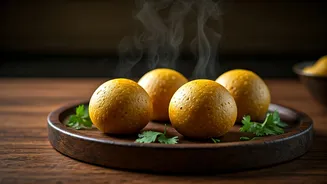
Once the batter is well-fermented, it’s time to steam the idlis. Grease the idli molds with a bit of oil to prevent the idlis from sticking. Fill each mold with the idli batter. Ensure you do not overfill the molds. Place the filled molds in an idli steamer. Steam the idlis for about 10-12 minutes, or until they are cooked through. The idlis are ready when they are firm and springy to the touch. Let the idlis cool slightly before removing them from the molds. Serve them hot with sambar and chutney for a classic South Indian breakfast.