What's Happening?
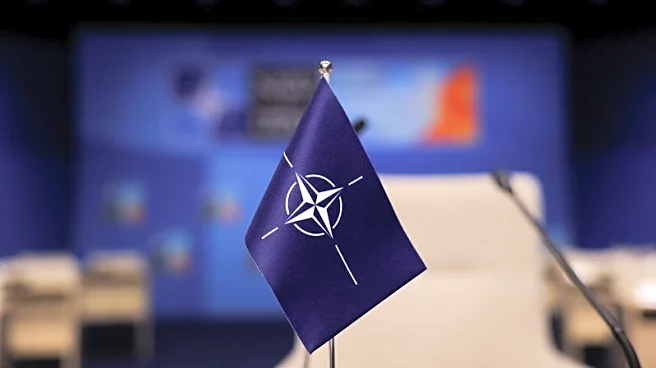
A new NPR series titled 'The World, Reordering' examines the changing dynamics of the global order, particularly focusing on the decline of U.S. influence and the rise of authoritarian powers. Historically, the liberal international order was characterized by globalization, multilateralism, and a rules-based system led by the United States. However, recent developments, including President Trump's tariffs and skepticism towards alliances like NATO, have prompted many countries to consider a future where they must operate independently. This shift is especially evident in defense and security sectors, as nations seek to fill the void left by diminishing U.S. leadership.
AD
Why It's Important?
The transformation of the global order has significant implications for international relations and U.S. foreign policy. As countries adapt to reduced American influence, new alliances and power structures may emerge, potentially altering the balance of global power. This could impact international trade, security agreements, and diplomatic relations, affecting both U.S. interests and global stability. The series aims to provide insights into these changes, helping policymakers and the public understand the potential consequences of a redefined world order.
What's Next?
The series will continue to explore the evolving international landscape, offering perspectives from NPR's international correspondents and other experts. As the world adjusts to these shifts, ongoing analysis will be crucial in predicting future developments and understanding their impact on global governance. Stakeholders, including governments and international organizations, will need to navigate these changes carefully to maintain stability and foster cooperation.
Beyond the Headlines
The reordering of the global system raises ethical and cultural questions about the future of international cooperation and the role of democratic values. As authoritarian regimes gain influence, there may be challenges to the principles of democracy and human rights that have traditionally underpinned the liberal international order. This could lead to long-term shifts in global governance and societal norms.