Mythology Inspires Reality?
Contrary to popular belief, archaeologist and culinary anthropologist Dr. Kurush F Dalal suggests that our reality, including food, often influences mythology,
rather than the other way around. He posits that common ingredients and dishes, like apples in ancient Greece, were so prevalent that they found their way into myths. The stories surrounding these foods likely stemmed from their existing familiarity and importance in daily life. This perspective challenges the notion that mythical tales are purely imaginative, proposing instead that they often reflect the tangible world and its agricultural products that people already consumed and valued. Therefore, the foods mentioned in these ancient narratives are not necessarily novel creations born from divine inspiration but rather reflections of established dietary practices that were then woven into the fabric of legendary accounts, giving them a timeless and significant presence in cultural memory.
Debunking Food Myths
Dr. Dalal actively challenges the prevalent notion that ancient Indian scriptures and their protagonists strictly adhered to vegetarianism. He asserts that a deliberate effort is made to 'clean up' these narratives, removing references to non-vegetarian consumption, which he deems a misrepresentation of historical dietary habits. He cites the example of Sage Yajnavalkya, who reportedly consumed tender beef, to illustrate that a diverse diet including meat was part of the historical diet. Furthermore, Dr. Dalal questions the literal interpretation of events like the Samudra Manthan giving birth to Kamadhenu, arguing that cows, as a vital part of the food chain and existence, were important long before such mythical occurrences, and their inclusion in mythology reflects this deep-seated value rather than a singular creation event. This challenges the idea that mythological figures were solely tied to specific dietary restrictions, highlighting a more nuanced and inclusive historical diet.
Ancient Foods Today
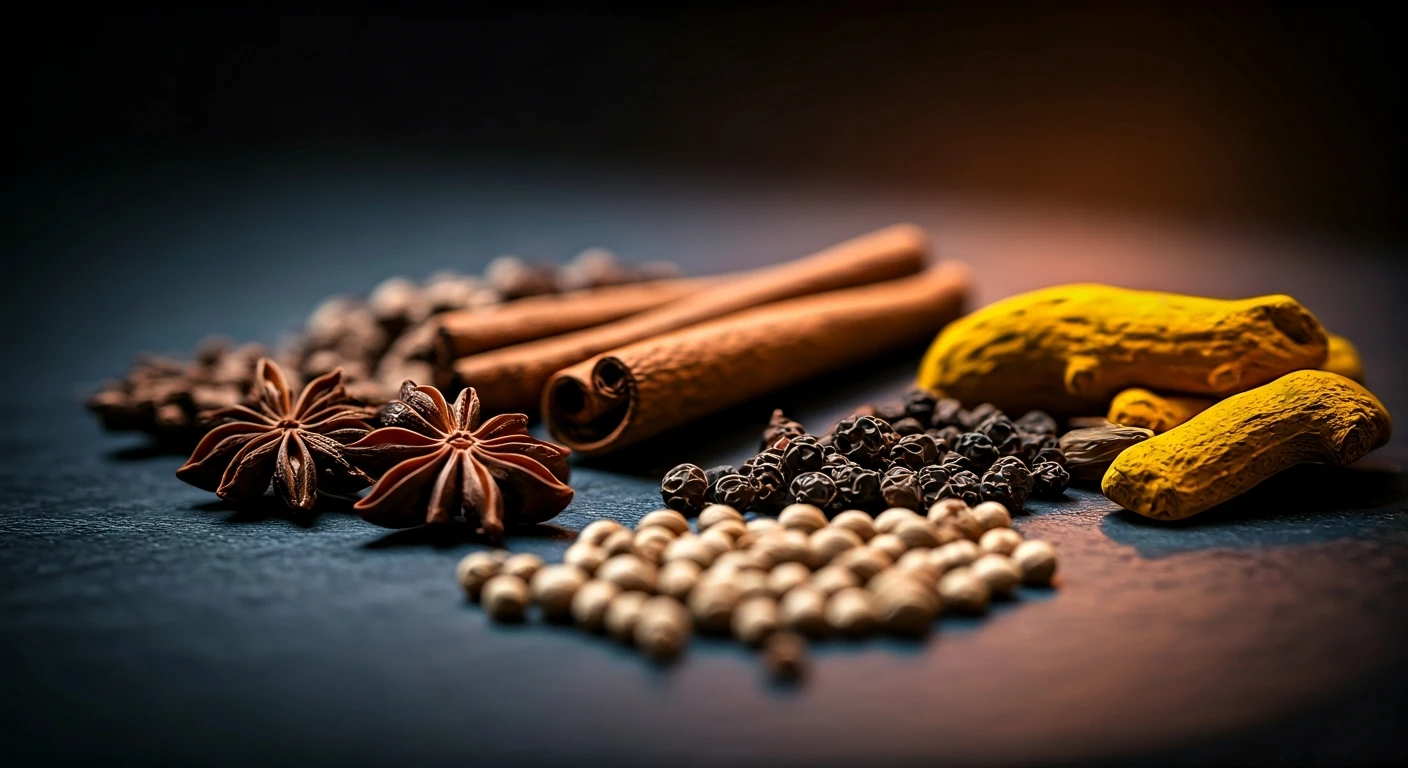
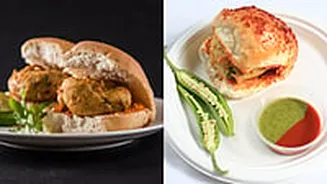
While many modern Indian dishes are beloved, Dr. Dalal points out that a significant portion of our current culinary landscape has roots outside of India, largely due to historical trade and exchanges. He highlights the Columbian Exchange as a major contributor, introducing staples like potatoes, tomatoes, and chillies, which are now integral to Indian cuisine. Dishes commonly perceived as purely Indian, such as the Punjabi samosa and batata vada, actually have origins in Central Asia, with the samosa and besan (chickpea flour) being imported. This reveals that much of what we consider quintessentially Indian food has been shaped by centuries of interaction and assimilation. Dr. Dalal suggests that 'Shraadh food,' prepared traditionally and often found in South Indian Brahmin ritual meals like those in Iyer community death rituals, comes closest to replicating the food patterns of the pre-historic or mythological eras, as it deliberately avoids ingredients introduced through later trade routes.
Scriptural Culinary Links
Dr. Dalal delves into specific dishes that have legends linking them to ancient Indian scriptures. He mentions the 'Nala Pakdarpana,' a recipe book attributed to Raja Nal from the Nala-Damyanti epic, reputedly learned from Bheem, the second Pandava. The narrative suggests Bheem, who served as head cook in Virat’s kingdom during the Pandavas' exile, might have contributed to culinary knowledge. Dishes like Pani Puri are often associated with Draupadi, supposedly created during her exile to efficiently feed her family with limited resources. Similarly, Fruit Salad is credited to Bheem’s culinary stint at King Virat's court. Even Biryani is linked to Sita, with stories suggesting she created it using various ingredients and rice provided by Rama. While acknowledging these tales are part of mythology, they illustrate the enduring cultural fascination with connecting food origins to significant historical and legendary figures, adding a rich narrative layer to Indian gastronomy.