Paper Towel Magic
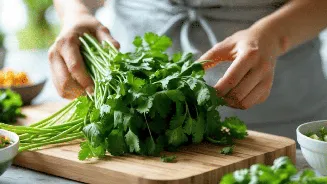
Combatting the rapid spoilage of fresh coriander, a staple in Indian cuisine, can be achieved with a remarkably simple yet effective method. Begin by gently
washing your bunch of coriander, then meticulously patting it dry until absolutely no moisture remains on the leaves. Excess water is the primary culprit behind premature wilting and rot. Once dry, lay out a slightly dampened paper towel, place the coriander on it, and then loosely roll it up, much like preparing a small wrap. This rolled herb bundle should then be carefully placed inside a ziplock bag, ensuring any excess air is expelled before sealing. Storing this in the crisper drawer of your refrigerator will extend its freshness for a significant period, typically between 5 to 7 days, preventing the dreaded yellowing and sliminess. For optimal results, it's advisable to replace the paper towel every two to three days if it shows signs of becoming saturated, maintaining a consistently dry environment for your precious greens.
Airtight Container Method
For those who appreciate meticulous meal preparation and wish to extend the life of their coriander even further, an airtight container method offers a robust solution. This technique involves first trimming off the coriander's roots and then thoroughly washing and air-drying the leaves until they are completely free of any residual moisture. The next step is to prepare your chosen airtight container, be it made of plastic or glass, by lining its base with a dry paper towel. Place a layer of the dried coriander leaves over this towel, followed by another dry paper towel on top. This layering process should be repeated if you have a substantial amount of coriander, ensuring that each layer is separated by a paper towel. Once filled, securely seal the container's lid, creating an environment where the paper towels actively absorb any released moisture while the sealed lid prevents the ingress of air. This method can reliably keep your coriander fresh for approximately 7 to 10 days. It's a good practice to periodically check the contents and remove any leaves that may show signs of wilting to preserve the quality of the remaining bunch.
Jar of Water Technique
You can elevate the longevity of your coriander by treating it much like a bouquet of flowers, significantly prolonging its freshness for up to three weeks. Start by carefully snipping off the roots and then rinsing the stems of the coriander bunch. Find a clean jar and fill it about halfway with fresh water, then upright the coriander bunch within it, ensuring the stems are submerged. To protect the leaves from excessive moisture and condensation while still allowing for air circulation, loosely cover the leafy tops with a plastic bag. Secure this bag around the jar's opening with a rubber band, and then place the entire setup in your refrigerator. The key to this method's success lies in regularly changing the water every couple of days; this ensures the stems remain hydrated and the leaves stay crisp and vibrant. Be mindful not to overcrowd the jar, and if you have a very large bunch, consider splitting it into smaller groups to allow each plant optimal access to the water and prevent premature decay.
Freezer Ice Cubes
For a remarkably long-term preservation solution that maintains the flavour intensity of coriander for months, consider employing the freezer ice cube method. This technique is particularly useful for stocking up during peak season or for ensuring you always have this essential herb readily available, even during periods of scarcity. Begin by finely chopping the washed and thoroughly dried coriander leaves. Carefully pack these chopped leaves into the compartments of an ice cube tray. You can then top off each compartment with either a small amount of olive oil or plain water, depending on your preference and intended use. Once filled, place the tray in the freezer overnight until the cubes are completely solid. After freezing, gently pop the coriander-filled ice cubes out of the tray and transfer them into a freezer-safe bag. This method not only preserves the herb for up to two months but also provides convenient, pre-portioned servings that can be directly added to hot dishes like curries or soups without the need for thawing, making them incredibly easy to use.
Newspaper Roll Storage
For those instances when refrigeration isn't an option, or as a supplementary method for keeping coriander fresh for a shorter duration, the newspaper roll technique emerges as a practical and ingenious solution. This method is especially valuable in warmer climates like India, where ambient temperatures can accelerate spoilage. The initial step involves thoroughly drying the washed coriander bunch, ensuring no residual moisture is present on the leaves or stems. Once dry, the coriander is then loosely rolled within a sheet of newspaper. The absorbent nature of the newspaper plays a crucial role in drawing away excess moisture, thus preventing the leaves from becoming damp and prone to rot. The rolled newspaper package should then be placed in a cool, shaded location within your home, or stored in a basket. With this method, you can expect the coriander to remain fresh for approximately 4 to 7 days without needing refrigeration. If the climate is particularly humid, it's advisable to replace the newspaper daily to maintain its moisture-wicking effectiveness.
Lemon Peel Shield
Introducing a natural antimicrobial defence into your coriander storage can significantly enhance its shelf life, even without refrigeration. This innovative approach involves incorporating strips of fresh lemon peel into the storage container. After ensuring your coriander is completely dry, place it into an airtight container. Interspersed within the coriander, add several strips of lemon peel. The natural oils present in the lemon peel possess potent antimicrobial properties that help to inhibit the growth of bacteria and other spoilage-causing microorganisms. To further enhance moisture control, you can also include paper towels within the container, layering them with the coriander and lemon peel. Sealing the container tightly creates an environment where the lemon peel's protective qualities can work effectively, keeping your coriander green and imparting a subtle, fresh aroma for an extended period.
Damp Muslin Wrap
A time-tested technique that leverages controlled humidity to keep coriander vibrant and fresh involves using a damp muslin cloth. Begin by thoroughly washing the coriander bunch, including the roots, and then gently patting it dry. The key is to wrap the coriander tightly in a slightly damp muslin or cotton cloth, ensuring there are no significant air gaps. This creates a micro-environment where the cloth maintains a consistent level of humidity around the herbs, preventing them from drying out, while the tight wrap minimizes direct exposure to air, which can accelerate wilting. Once wrapped, hang the bundle in a cool, shaded area. This method is effective in preserving the coriander's freshness and vibrant appearance for about 4 to 7 days, as the damp cloth regulates moisture without allowing for the sogginess that leads to decay.
Sun-Drying for Longevity
For an incredibly long shelf life that can extend for over a year, consider the ancient practice of sun-drying your coriander. This method transforms fresh herbs into a dried spice that retains its flavour profile for extended periods, making it a pantry staple. The process begins with washing the coriander and then thoroughly patting it dry. Subsequently, the herbs are either air-dried in a well-ventilated area or gently oven-dried at a low temperature, approximately 50°C, until they become crumbly to the touch. Once completely dried, the leaves are rubbed off the stems. The dried coriander should then be stored in an airtight jar, ensuring it is kept away from direct light sources to preserve its potency. This dried coriander can be used as a powder in masalas and various other dishes, offering a strong and lasting flavour that is a convenient alternative when fresh herbs are unavailable.