
'%3e%3cpath%20fill-rule='evenodd'%20clip-rule='evenodd'%20d='M6%200C10.4183%200%2014%203.58171%2014%207.99999V14.0003C14%2018.4186%2017.5817%2022.0003%2022%2022.0003H122C126.418%2022.0003%20130%2018.4186%20130%2014.0003V8C130%203.58172%20133.582%200%20138%200H6Z'%20fill='%23EDF2E7'/%3e%3c/g%3e%3cdefs%3e%3cfilter%20id='filter0_d_12223_4749'%20x='0'%20y='0'%20width='144'%20height='36'%20filterUnits='userSpaceOnUse'%20color-interpolation-filters='sRGB'%3e%3cfeFlood%20flood-opacity='0'%20result='BackgroundImageFix'/%3e%3cfeColorMatrix%20in='SourceAlpha'%20type='matrix'%20values='0%200%200%200%200%200%200%200%200%200%200%200%200%200%200%200%200%200%20127%200'%20result='hardAlpha'/%3e%3cfeOffset%20dy='8'/%3e%3cfeGaussianBlur%20stdDeviation='3'/%3e%3cfeComposite%20in2='hardAlpha'%20operator='out'/%3e%3cfeColorMatrix%20type='matrix'%20values='0%200%200%200%200.356863%200%200%200%200%200.427451%200%200%200%200%200.270588%200%200%200%200.7%200'/%3e%3cfeBlend%20mode='normal'%20in2='BackgroundImageFix'%20result='effect1_dropShadow_12223_4749'/%3e%3cfeBlend%20mode='normal'%20in='SourceGraphic'%20in2='effect1_dropShadow_12223_4749'%20result='shape'/%3e%3c/filter%3e%3c/defs%3e%3c/svg%3e)
Supercharge Your Compost
Transform your kitchen scraps into gardening gold by incorporating used coffee grounds into your compost bin. These grounds are a fantastic source of nitrogen,
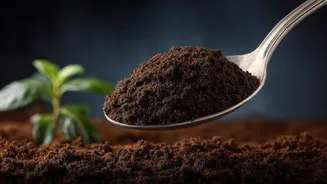
a key element that significantly accelerates the decomposition process. This means you'll achieve richer, more nutrient-dense compost faster, providing your plants with a natural, chemical-free boost. To maintain a balanced composting environment and ensure efficient breakdown, remember to mix your coffee grounds with carbon-rich materials such as dry leaves, shredded paper, or straw. This synergistic approach creates a powerhouse soil amendment that your plants will eagerly absorb, promoting robust health and vibrant growth. By embracing this sustainable practice, you're not just feeding your plants but also diverting waste from landfills.
Natural Pest Repellent
Safeguard your precious plants from common garden invaders using the simple yet effective power of coffee grounds. The distinct aroma of coffee acts as a natural deterrent for a variety of bothersome pests, including ants, slugs, and even some snails. By spreading a thin, even layer of dried coffee grounds around the base of your plants, you create a physical and olfactory barrier that discourages these creatures from reaching their leafy targets. This chemical-free method offers peace of mind, allowing you to enjoy a thriving garden free from harmful pesticides. It's a brilliant strategy for gardeners committed to organic principles and seeking to protect their plants with sustainable solutions.
Acid-Loving Plant Haven
Cultivate a thriving habitat for your acid-loving plants by strategically using coffee grounds to adjust soil pH. Many beloved garden specimens, such as blueberries, azaleas, and rhododendrons, flourish in more acidic soil conditions. When your garden soil leans towards the alkaline side, used coffee grounds can work wonders to gently lower the pH level, creating an optimal environment for these specific plants. By incorporating small quantities of used coffee grounds directly into the soil surrounding these plants, you provide them with the essential acidic conditions they need to absorb nutrients effectively and grow vigorously. This targeted approach ensures that your prized acid-loving flora receives the precise soil chemistry required for peak health and abundant blooms.
Boost Soil Structure
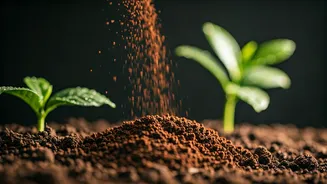
Enhance the physical quality of your garden soil by integrating used coffee grounds, leading to improved aeration and superior drainage. The finely textured particles of coffee grounds, when mixed into the soil, create a more porous structure. This enhanced porosity allows essential air and water to permeate the soil more freely, reaching plant roots effectively. By preventing soil compaction, which can suffocate roots and hinder growth, coffee grounds promote a healthier environment for root development. This improved soil architecture leads to stronger plants that are better equipped to withstand environmental stresses and produce more bountiful yields. It's a simple yet profound way to create a more resilient and productive garden bed.
Attract Earthworms
Invite nature's most valuable gardeners – earthworms – to your soil by adding used coffee grounds. These industrious creatures play a vital role in maintaining healthy soil ecosystems by aerating the earth and naturally breaking down organic matter. Coffee grounds, with their rich nutrient profile, are highly appealing to earthworms, encouraging them to inhabit your garden beds. By scattering coffee grounds around your plants or mixed into the soil, you create a welcoming environment that boosts earthworm activity. This organic approach enriches your soil naturally, leading to better nutrient cycling and improved plant vitality without the need for artificial fertilizers or additives. It’s a sustainable way to foster a truly living soil.