Upper Body Powerhouse
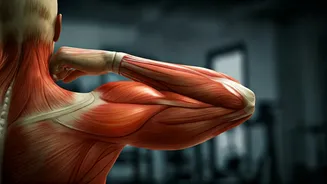
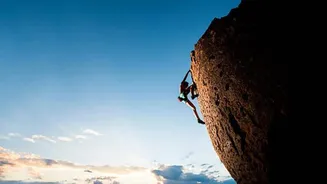
Rock climbing is a formidable challenge that profoundly develops upper body strength. As participants ascend, they consistently engage their arms, shoulders,
and back muscles through a powerful pulling action. This repetitive strain not only builds significant muscle endurance but also progressively increases overall strength. Furthermore, the act of securely gripping various rock features cultivates exceptional hand and forearm power, essential for maintaining hold and progressing upwards. The intricate movements required to navigate a climbing route demand a high level of muscular control and stamina throughout the upper extremities, making it an unparalleled workout for this region of the body. This constant engagement ensures a comprehensive development of the pulling muscles, crucial for a strong and resilient upper physique.
Core Stability Champion
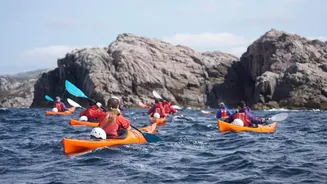
Kayaking emerges as an exceptional activity for cultivating robust core stability, primarily due to the inherent need for constant balance on a dynamic water surface. The rhythmic yet forceful paddling requires continuous engagement and rotation of the torso, extensively working the abdominal and oblique muscles. This focused core activation not only fortifies the central musculature but also significantly enhances overall body balance and coordination, which are critical for efficient paddling and maneuverability. Beyond the rotational movements, kayakers also utilize their leg muscles to brace and stabilize themselves within the kayak's hull, contributing an additional dimension to the comprehensive core workout. This integrated muscle engagement makes kayaking a holistic exercise for the trunk's strength and stability.
Cardiovascular Endurance
Both rock climbing and kayaking offer distinct pathways to improving cardiovascular health, though their methods differ. Kayaking, characterized by its continuous and sustained paddling motion, rhythmically elevates the heart rate for extended durations. This consistent aerobic exertion is highly effective at building cardiovascular endurance and stamina, making it an excellent choice for those aiming to enhance their aerobic capacity and overall fitness. The steady, repetitive nature of paddling ensures that the heart and lungs are working efficiently, leading to improved lung function and a more robust circulatory system. This makes kayaking a prime activity for those seeking to boost their stamina and cardiovascular resilience over time.
Flexibility and Range
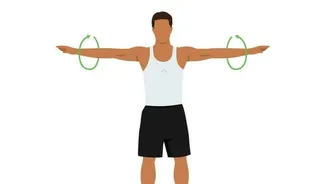
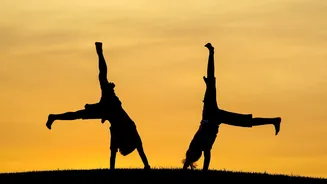
Rock climbing inherently necessitates a remarkable degree of flexibility, compelling climbers to contort their bodies and reach for handholds that are often positioned in challenging or unconventional spaces. This demand for extreme reach and mobility naturally encourages practitioners to engage in regular stretching, which, over time, leads to an enhanced range of motion in their joints and muscles. The improved flexibility gained from climbing not only contributes to better performance on the rock by allowing for more dynamic and efficient movements but also plays a crucial role in injury prevention. By keeping the muscles supple and elastic, climbers can reduce the likelihood of strains and sprains, ensuring they can continue to enjoy their sport safely and effectively.