Formal Wear Overlays
When the occasion calls for formality, strategically layering clothing becomes essential. Begin by choosing pieces that complement each other. Consider
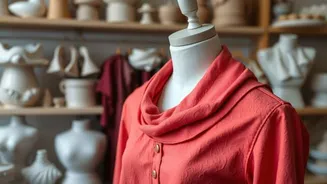
a well-fitted blazer atop a tailored dress or a crisp button-down shirt paired with a sleek vest under a sophisticated coat. The key lies in selecting fabrics that work together, such as combining wool with silk or cashmere with cotton. Focus on the fit; each layer should move with you comfortably. A shawl can add elegance, while a statement necklace can pull the look together. Ensure that the colors are harmonious, and the layers don't overwhelm your silhouette. Pay attention to the details – well-chosen accessories such as a classic watch or a pair of refined shoes can make all the difference, completing the polished and refined appearance that characterizes formal wear.
Casual Outfit Combinations
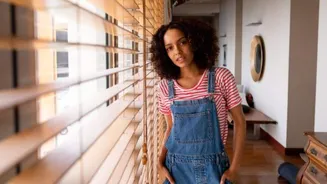
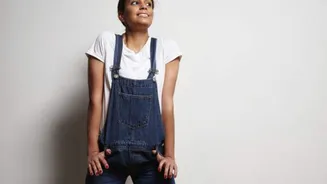
Layering is equally valuable for creating effortlessly stylish casual looks. Start with a solid foundation, perhaps a t-shirt or a simple sweater. Next, add a layer that provides warmth and style, like a denim jacket, a cardigan, or a bomber jacket. For a more relaxed feel, consider pairing a longline cardigan with a pair of skinny jeans and boots, or a flannel shirt over a plain tee with your favorite trousers. Embrace experimentation to mix textures and patterns. For example, a corduroy jacket over a graphic tee can add a touch of personality to a simple outfit. Don't be afraid to mix different styles, such as a sporty jacket with a more feminine top. Accessories such as a beanie, baseball cap, or a scarf can further enhance a casual outfit, adding both function and flair. The primary goal is to achieve an outfit that looks comfortable, put together, and expresses your individuality.
Accessorizing Effectively
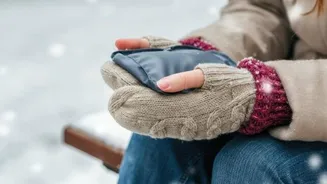
Accessories are vital in completing and personalizing layered outfits. Scarves, both in terms of color and design, offer both function and flair, adding warmth and personality to any ensemble. A silky scarf can dress up a formal outfit, while a chunky knit can add coziness to a casual one. Gloves are equally essential, especially in colder months, not just as protection but also as a fashion statement. Opt for leather gloves for a touch of elegance or consider knitted gloves for a more casual look. Jewelry like necklaces, bracelets, and rings can also elevate a layered outfit. A delicate necklace can enhance a formal look, whereas bolder, statement jewelry can elevate a casual one. Furthermore, a well-chosen belt can define your waist and refine the silhouette. Remember, accessories should harmonize with the clothing and express your individuality, ensuring the complete and well-styled layered appearance.
Hairstyle Considerations
Your hairstyle greatly affects how your layered outfits appear, especially since certain hairstyles complement various clothing styles and outfits. For instance, a sleek, up-do or a neat ponytail can improve the look of formal layered outfits, providing a neat, polished look. In contrast, relaxed waves or loose braids can perfectly complement casual styles. For winter looks, consider hairstyles that can accommodate hats and scarves; a messy bun or a side braid can work well under a hat. The texture of your hair also plays a role. If your hair is naturally voluminous, keep the layers more streamlined to avoid creating excess bulk. If your hair is fine, layered cuts can add volume and dimension. Experiment with your hair to identify the best styles to compliment your layered outfits. Your hairstyle should complement your outfit, enhancing your overall style rather than distracting from it.
Blending Traditional Attire
Integrating traditional attire into modern layered ensembles can create striking and culturally rich looks. For example, a traditional Indian kurta can be worn under a modern blazer for a contemporary fusion style. A traditional saree can be styled with a stylish jacket or long coat to add a modern twist. The key is to balance the traditional with the contemporary, ensuring the different elements harmoniously. When combining traditional and modern garments, pay attention to the fabrics, colors, and patterns. Match a traditional silk kurta with modern denim, or combine a hand-woven dupatta with a minimalist western-style outfit. The accessories are also important; traditional jewelry can add to the cultural theme. Ensure the combination is thoughtful, and each element complements the other. Experimenting with traditional attire allows for creative self-expression, blending heritage with modern style.
Winter Style Essentials
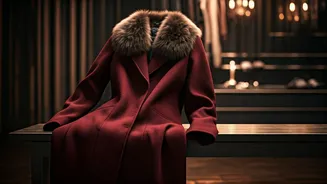
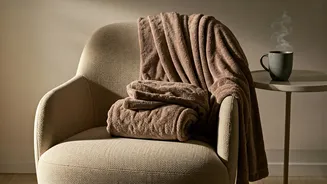
Creating a stylish winter look involves strategic layering, warmth, and accessorization. Begin with base layers like thermal underwear or long-sleeved tops, followed by a mid-layer for insulation, such as a sweater or a fleece. Finish with an outer layer like a warm coat or a parka. Essential accessories for winter include gloves, scarves, and hats, such as fleece berets, which offer both warmth and style. Opt for versatile pieces that can be easily layered, mixing and matching to achieve the desired warmth and look. Choose fabrics that trap heat, such as wool, cashmere, and fleece. Don't underestimate the role of footwear; insulated boots and comfortable socks are essential to complete the winter ensemble. Pay attention to colors and patterns, selecting darker, richer shades or cozy, warm-toned patterns to match the season. Your goal is to remain warm, comfortable, and fashionable, with each layer working to protect you from the cold.