Immunity: More Isn't Always Better
A pervasive belief suggests that mega-dosing vitamin C is the key to a rock-solid immune system, warding off every sniffle and cough. However, the scientific
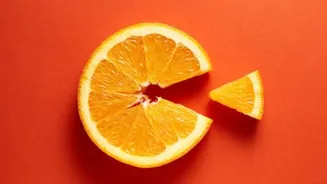
consensus reveals a more nuanced reality. While vitamin C undeniably plays a crucial role in maintaining healthy immune responses, the body's capacity to absorb and utilize it has practical limits. Consuming amounts far beyond what the body can process doesn't necessarily translate to superior protection against common ailments like colds. In fact, excessively high intake can often lead to minor digestive disturbances, such as an upset stomach, without conferring any additional immunological benefits. Focusing on a consistent, adequate intake is far more effective than aiming for extreme levels.
Fruit Diversity Matters
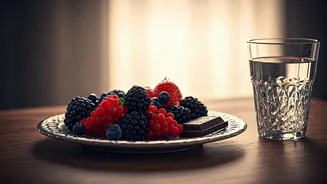
When thinking about vitamin C-rich foods, citrus fruits like oranges and lemons often spring to mind first. While these are excellent sources, the notion that all fruits offer equivalent amounts of this nutrient is a significant oversimplification. Many other fruits also provide a substantial contribution to your daily vitamin C needs. For instance, vibrant strawberries and tangy kiwi fruits are packed with this essential vitamin. To ensure you're consistently meeting your requirements, it's beneficial to incorporate a wide variety of fruits into your diet. This approach not only guarantees adequate vitamin C intake but also provides a broader spectrum of other vital nutrients and antioxidants found in different fruits.
Cooking and Nutrient Retention
Another widespread misconception is that the act of cooking completely obliterates the vitamin C content in food. While it is true that heat can degrade some of this water-soluble vitamin, it is not entirely destroyed. The extent of loss often depends on the cooking method employed. Traditional boiling, where foods are submerged in large amounts of water at high temperatures, can lead to significant nutrient loss as vitamin C leaches into the cooking water. However, alternative methods like steaming or microwaving can help preserve a greater portion of the vitamin. These techniques minimize direct contact with excessive water and reduce the overall cooking time, thus retaining more of the beneficial vitamin C present in vegetables and other foods.
Whole Foods Triumph
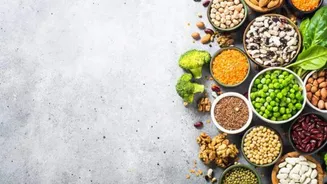
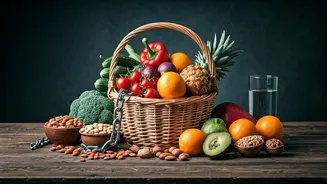
There's a prevailing idea that vitamin C supplements are inherently superior to obtaining the nutrient from natural food sources. While supplements offer a concentrated dose, they often lack the full spectrum of benefits that whole foods provide. Fruits and vegetables rich in vitamin C also deliver a synergistic blend of other essential vitamins, minerals, fiber, and a host of beneficial phytonutrients and antioxidants. These components work together, enhancing absorption and providing comprehensive health advantages that isolated supplements may not replicate. Therefore, the most effective strategy for optimal health and sufficient vitamin C intake generally involves embracing a varied and balanced diet rich in natural produce rather than relying solely on pills.