Debunking the Rep Rule
Many gym-goers operate under the assumption that a standard of three sets, each with 10 to 15 repetitions, is the golden ticket to achieving fitness goals.
This widely adopted practice often stems from recommendations by fitness enthusiasts, trainers, and peers. However, the core question remains: is this formula universally applicable, or does it need personalization for different body types and objectives? While fitness trends evolve, the foundational principles of exercise science tend to endure. Expert insights reveal that understanding the 'why' behind your sets and repetitions is crucial for a truly effective workout regimen that aligns with individual needs.
The Science of 3x10-15
The recommendation for three sets of 10 to 12 repetitions, extendable to 15, is grounded in extensive research and practical application. This volume of training, a product of sets, repetitions, and the weight lifted, strikes an optimal chord between stimulating results and allowing for adequate recovery. This approach is lauded for its efficiency, respecting time constraints while preventing excessive fatigue. Crucially, effective recovery is not solely dependent on the workout itself but is also significantly influenced by factors such as proper nutrition, pre-exercise mobility routines, maintaining correct exercise form, and dedicated post-exercise cool-down and stretching practices.
Lifting for Growth
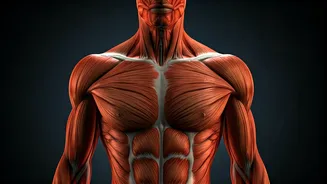
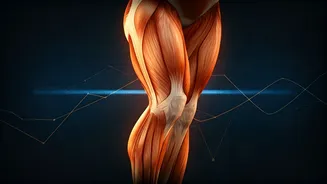
The 10-15 repetition range, particularly within the 10-12 scope, is instrumental in fostering muscle hypertrophy (growth) through a trifecta of stimuli: controlled mechanical tension, metabolic stress, and minor muscle micro-tears. This rep range also contributes to enhancing muscular endurance and cardiovascular fitness. For context, lower repetition counts, typically in the 1-5 range, are primarily geared towards building maximal strength. Conversely, higher repetition ranges are more focused on improving muscular endurance and refining muscle tone. This structured training model offers a balanced, safe, and effective pathway for individuals, especially beginners and intermediates, aiming for sustainable muscle development, enhanced body composition, and the long-term well-being of their musculoskeletal and joint systems.