Choosing Your Seeds
To begin your fenugreek sprouting journey, the first crucial step is selecting superior quality seeds. Opt for organic fenugreek seeds whenever possible,
as these are typically free from harmful pesticides and artificial treatments, ensuring a healthier final product. Before purchasing, take a moment to visually inspect the seeds for any signs of damage, such as cracks or discoloration, and be sure they don't exhibit any signs of mold. Fresher seeds generally offer a higher germination rate and more vigorous sprouting than older ones, so prioritize seeds that appear plump and healthy. You can conveniently find these specialized seeds at most health food stores or through various online retailers that cater to home gardening and healthy eating enthusiasts.
Seed Preparation Steps
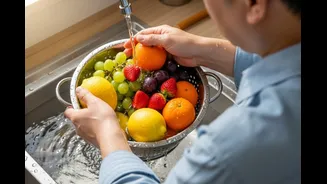
Once you have your chosen fenugreek seeds, the next phase involves preparing them for their transformative sprouting process. Begin by thoroughly rinsing the seeds under a stream of cool, running water. This initial rinse helps to wash away any surface dust, debris, or potential impurities that might be clinging to them. Following the rinse, the seeds need to be immersed in clean water for a significant period, typically around six hours or even overnight. This soaking phase is vital as it softens the hard outer shell of the fenugreek seed, signaling it to begin the germination process and preparing it to sprout. After the soaking is complete, drain the water completely and give the seeds another gentle rinse before carefully transferring them into your chosen sprouting container.
Optimal Sprouting Environment
Creating the right conditions is key to encouraging healthy fenugreek sprout development. Place the rinsed and drained seeds into a specialized sprouting jar or a suitable container that features a breathable lid, such as a mesh screen or a loosely fitting cloth secured with a band. This design is essential to allow for adequate air circulation, preventing the seeds from becoming stagnant and promoting healthy growth. Position your sprouting container in a location that is both warm and consistently so, but crucially, keep it away from direct sunlight, which can overheat and damage the delicate sprouts. To maintain the necessary moisture levels without waterlogging the seeds, you should rinse and drain them at least twice every day. With these conditions, you can anticipate seeing tiny, promising sprouts beginning to emerge from your seeds within approximately three to four days.
Harvesting and Storage
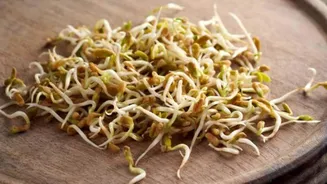
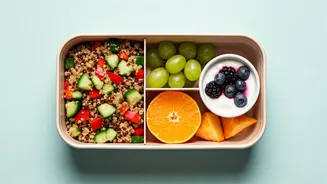
The exciting culmination of your efforts arrives when the fenugreek sprouts reach a desirable size, typically around one inch in length, signaling they are ready for harvest. Before storing, give your sprouts one final, thorough rinse to ensure they are clean and fresh. To preserve their vitality and crispness, transfer the harvested sprouts into an airtight container. Store this container in the refrigerator, where the sprouts will remain fresh and ready for use for up to five days. These vibrant, homegrown sprouts are incredibly versatile and make a wonderful, nutritious addition, offering a delightful crunch and a boost of nutrients when sprinkled atop salads or layered into sandwiches.