Myth Inspiring Reality?
Contrary to popular belief, the influence often flows from reality to mythology, not the other way around, according to archaeologist and culinary anthropologist
Dr. Kurush F Dalal. He posits that familiar foods, like the apples in Greek mythology, were commonly consumed items that subsequently found their way into stories. This principle applies significantly to Indian cuisine, where dishes mentioned in ancient texts likely reflect the actual food habits of the time. The foods woven into mythological narratives were typically those already known and integrated into the daily lives of people, making them relatable and enduring. Dr. Dalal's perspective suggests that the stories we cherish are reflections of, rather than the genesis of, our culinary heritage, anchoring ancient tales in the tangible world of food.
Challenging Food Norms
Dr. Dalal tackles common misconceptions about dietary practices in ancient India, particularly regarding vegetarianism. He asserts that a prevalent trend of sanitizing mythological texts to remove references to non-vegetarian food is a misrepresentation of historical reality. The scriptures, he argues, do not mandate vegetarianism for all, and denying that diets once included meat is a form of historical revisionism that India seems content to perpetuate. Citing historical accounts, such as Sage Yajnavalkya's purported acceptance of eating beef, Dr. Dalal emphasizes that a diverse diet was common. Furthermore, he questions the literal interpretation of events like Samudra Manthan giving birth to Kamadhenu, suggesting that cows, crucial to the food chain, were already integral to life and thus elevated in mythology. These examples highlight how foundational elements of existence and sustenance were often woven into the fabric of religious and mythological narratives.
Evolution of Indian Plate
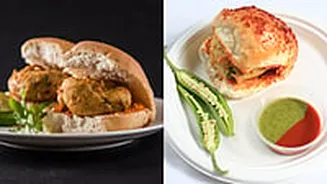
The culinary landscape of India has undergone significant transformations over centuries, driven by factors like trade and cultural exchange. Dr. Dalal points out that many beloved dishes, often considered quintessentially Indian, have origins outside the subcontinent due to historical trade routes, such as the Columbian Exchange. Ingredients like potatoes, tomatoes, and chilies, now staples in Indian cooking, were introduced much later. Even seemingly traditional items like the Punjabi samosa and batata vada have roots in Central Asia, with the samosa and besan (chickpea flour) originating from that region. This dynamic evolution means that contemporary Indian cuisine is a rich tapestry of indigenous flavors and adopted ingredients, a testament to India's long history of interaction with the wider world.
Echoes of the Past
When seeking dishes that most closely resemble those consumed during ancient or 'mythological' eras, Dr. Dalal highlights 'Shraadh' food as a prime example. This traditional fare, particularly the meals served to Brahmins in South India during ritualistic occasions like death anniversaries, often eschews ingredients introduced through later trade, such as chilies, tomatoes, and potatoes. These culinary practices maintain a connection to older food preparation methods and ingredient usage. Additionally, the text mentions Nala Pakdarpana, a recipe book attributed to Raja Nal, suggesting ancient culinary knowledge preserved through texts. While acknowledged as mythological, the stories of figures like Draupadi inventing Pani Puri from scarce resources during exile, Bheem creating Fruit Salad as a court cook, and Sita preparing Biryani from foraged ingredients illustrate how culinary creativity was embedded even in the most challenging circumstances, linking these epic narratives to recognizable dishes.