Nutrient Preservation Power
Contrary to popular belief, microwaving is a surprisingly effective method for retaining the nutritional value of your food. Unlike cooking techniques
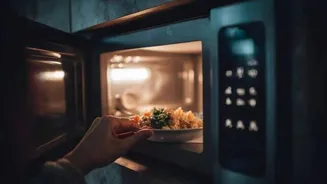
that demand long exposure to heat or large amounts of water, such as boiling or deep frying, the microwave's rapid cooking process minimizes the time nutrients are exposed to heat. This quick method helps to lock in essential vitamins and minerals that might otherwise leach out or degrade during more extended cooking durations. Therefore, when you reheat food using a microwave, you're often preserving more of its original goodness than you might assume, making it a healthy choice for preparing your meals.
Ensuring Food Safety
A widespread concern is that reheating food automatically renders it unsafe, but this is largely a myth when proper procedures are followed. The key to safe reheating lies in ensuring that any bacteria that may have proliferated during storage are effectively eliminated. This is achieved by heating the food thoroughly and evenly throughout. Employing a food thermometer is a reliable way to confirm that the internal temperature of your reheated meal has reached a minimum of 74 degrees Celsius (165 degrees Fahrenheit). This critical temperature effectively neutralizes harmful microorganisms, making your leftovers perfectly safe and enjoyable to consume.
Choosing the Right Containers
It's crucial to understand that not all containers are created equal when it comes to microwave use; the myth that all are microwave-safe is dangerously misleading. Certain materials can degrade when exposed to microwave radiation, potentially leaching harmful chemicals into your food or even melting, compromising both your meal and the appliance. Always meticulously check for a 'microwave-safe' label on any container before placing it inside. Generally, glass and ceramic dishes are excellent, safe choices. For plastic containers, it's imperative that they are explicitly designated as suitable for microwave use to prevent any safety hazards.
Maintaining Optimal Taste
The notion that reheating significantly degrades the taste of food is often an exaggeration, especially when done with care. While certain textures might subtly change after being reheated, the original flavors generally remain remarkably intact for most dishes. A simple yet effective technique to preserve both moisture and flavor is to cover your food while it's being reheated. This practice helps to prevent the food from drying out, ensuring that your leftovers taste as close to their original state as possible and providing a more satisfying eating experience.
Microwaving Frozen Foods
A common misconception suggests that frozen foods should never be microwaved directly from their frozen state, fearing a significant dip in quality. However, many frozen food products are specifically engineered for direct microwave defrosting and cooking. When you follow the instructions provided on the packaging precisely, you can achieve excellent results, often with minimal impact on the food's overall quality. This capability allows for quick and convenient meal preparation straight from your freezer, making it a practical option for busy individuals seeking to warm up their meals efficiently.