
'%3e%3cpath%20fill-rule='evenodd'%20clip-rule='evenodd'%20d='M6%200C10.4183%200%2014%203.58171%2014%207.99999V14.0003C14%2018.4186%2017.5817%2022.0003%2022%2022.0003H122C126.418%2022.0003%20130%2018.4186%20130%2014.0003V8C130%203.58172%20133.582%200%20138%200H6Z'%20fill='%23EDF2E7'/%3e%3c/g%3e%3cdefs%3e%3cfilter%20id='filter0_d_12223_4749'%20x='0'%20y='0'%20width='144'%20height='36'%20filterUnits='userSpaceOnUse'%20color-interpolation-filters='sRGB'%3e%3cfeFlood%20flood-opacity='0'%20result='BackgroundImageFix'/%3e%3cfeColorMatrix%20in='SourceAlpha'%20type='matrix'%20values='0%200%200%200%200%200%200%200%200%200%200%200%200%200%200%200%200%200%20127%200'%20result='hardAlpha'/%3e%3cfeOffset%20dy='8'/%3e%3cfeGaussianBlur%20stdDeviation='3'/%3e%3cfeComposite%20in2='hardAlpha'%20operator='out'/%3e%3cfeColorMatrix%20type='matrix'%20values='0%200%200%200%200.356863%200%200%200%200%200.427451%200%200%200%200%200.270588%200%200%200%200.7%200'/%3e%3cfeBlend%20mode='normal'%20in2='BackgroundImageFix'%20result='effect1_dropShadow_12223_4749'/%3e%3cfeBlend%20mode='normal'%20in='SourceGraphic'%20in2='effect1_dropShadow_12223_4749'%20result='shape'/%3e%3c/filter%3e%3c/defs%3e%3c/svg%3e)
Understanding Blister Formation
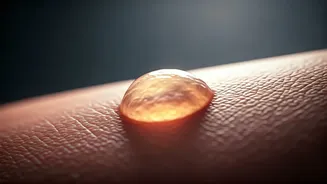
Blisters, those fluid-filled pockets that appear on the skin, are essentially the body's protective response to damage. When the uppermost layer of skin gets
injured, perhaps from rubbing or heat, it separates from the layers beneath. This creates a space where serous fluid, a clear or slightly yellowish liquid, collects. This fluid acts as a cushion for the sensitive tissues underneath, shielding them from further harm and infection while the skin begins its regeneration process. Although often minor and self-resolving, the way we treat them can significantly impact healing time and the risk of complications.
To Pop or Not
A prevalent myth suggests that popping blisters accelerates their healing. However, this advice can be detrimental. An intact blister serves as a natural, sterile dressing, safeguarding the delicate underlying skin from intrusive bacteria and contaminants. Puncturing this protective layer opens a pathway for infections, which can complicate the healing process and potentially lead to more severe issues. It is generally recommended to leave blisters undisturbed unless they are exceptionally large, painful, or in a location that makes them prone to accidental rupture. If a blister must be drained for comfort, it should only be done with sterile instruments and proper antiseptic preparation, followed by careful bandaging.
Air vs. Cover
Another common misconception is that allowing a blister to remain exposed to air promotes quicker drying and healing. While some airflow can be beneficial, excessive air exposure can actually dehydrate the surrounding skin, leading to cracking and potentially slowing down the recovery. Keeping a blister gently covered with a clean, breathable dressing or bandage is often more effective. This protective covering helps maintain a moist environment, which is conducive to cell regeneration and skin repair, while also preventing dirt and germs from reaching the vulnerable area. The key is to use a non-adherent pad to avoid sticking to the blister itself.
Home Remedies Caution
The internet is rife with suggestions for home remedies for blisters, such as applying acidic substances like vinegar or lemon juice. While these might seem like natural solutions, they are often more harmful than helpful. Such remedies can cause significant irritation, stinging, and further damage to the sensitive skin around and beneath the blister. Instead of promoting healing, they can exacerbate the inflammation and delay recovery. It is far safer and more effective to rely on proven methods: keeping the blister clean, protected, and using over-the-counter blister-specific bandages or sterile dressings that are designed to aid healing without causing adverse reactions.
Beyond Friction
Friction is indeed a primary culprit for blisters, often seen in athletes or those wearing ill-fitting shoes. However, it's crucial to recognize that friction isn't the sole cause. Blisters can also arise from other sources, including thermal burns from heat, chemical irritations, allergic reactions to certain substances, or as symptoms of underlying skin conditions like eczema or dermatitis. Understanding the specific cause of a blister is paramount for selecting the most appropriate treatment and implementing effective preventative measures. Addressing the root cause, rather than just the blister itself, is key to long-term skin health.