The Overwatering Trap
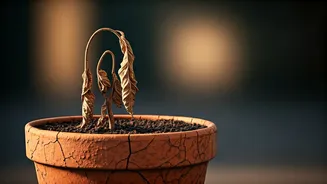
A frequent misstep in container gardening is providing too much water, a practice that can be detrimental to plant health. When soil remains perpetually
saturated, plant roots are deprived of essential oxygen, a condition that can ultimately lead to root rot and plant demise. It's crucial to ensure that your pots are equipped with adequate drainage and to develop a habit of checking the soil's moisture level before administering more water. A reliable guideline is to allow the uppermost inch of soil to become dry to the touch between watering sessions, signaling that the plant is ready for its next drink.
Neglecting Drainage Holes
One of the most significant oversights in container gardening is overlooking the importance of drainage holes. These small openings at the base of pots are not merely decorative; they are vital for allowing excess water to escape. Without them, the soil becomes a soggy swamp, creating an environment ripe for root rot and other serious ailments that can devastate your plants. Always verify that your containers possess these crucial holes to facilitate proper soil moisture management and promote healthy root systems.
Suboptimal Watering Times
The timing of your watering routine can significantly impact how effectively your plants utilize moisture. Watering during the peak heat of the day often results in rapid evaporation, meaning less water actually reaches the plant's roots. The ideal times to water are in the cooler parts of the day, either early in the morning or late in the afternoon. This timing allows for better absorption of water into the soil and minimizes water loss due to evaporation, ensuring your plants receive the most benefit.
Chilled Water Shock
Administering cold tap water directly to container plants, especially when they are already stressed by heat or dry spells, can be quite shocking to their delicate root systems. To avoid this, it's advisable to let tap water sit out for several hours before use. This simple step allows the water to reach ambient room temperature and helps to reduce the concentration of chlorine, both of which are beneficial for sensitive plant roots and prevent potential harm.
Seasonal Watering Adjustments
A common oversight by container gardeners is failing to adapt their watering schedules to seasonal changes. During warmer months, soil in pots tends to dry out much more quickly than it does in cooler periods. Therefore, it's imperative to closely observe environmental shifts and adjust your watering frequency accordingly. This means watering more often during hot, dry spells and less frequently when temperatures are cooler or humidity is high, taking into account natural rainfall as well.