Find Your Dark Haven
The first step to an incredible stargazing experience is selecting the right environment. To truly appreciate the celestial spectacle, it's vital to escape
the pervasive glow of artificial light that blankets urban areas. Aim for locations far from city centers, such as rural landscapes, open fields, or designated dark-sky parks, where light pollution is minimal. Even if a remote location isn't feasible, seek out a spot within your neighborhood that is shielded from streetlamps and other direct light sources. By minimizing ambient light interference, you'll unlock a much clearer and more profound view of the stars, revealing a greater number of celestial bodies and subtle details that would otherwise remain hidden.
Navigate with Smart Tools
To make sense of the vast expanse above, equip yourself with a reliable star map or a smartphone application designed for astronomical observation. These digital and physical guides act as your personal cosmic compass, illustrating the current positions of constellations, planets, and other prominent celestial objects. They provide invaluable visual references and descriptive information, helping you learn to identify and distinguish between various astronomical wonders. By using these tools, even a novice can begin to understand the intricate patterns and movements of the night sky, transforming a passive viewing into an active learning adventure.
Grant Eyes Darkness
Patience is key when preparing your eyes for the wonders of the night sky. It takes approximately twenty minutes for your vision to fully adapt to low-light conditions, a process essential for perceiving fainter stars and subtle nuances in the cosmos. During this crucial adjustment period, it is imperative to avoid any exposure to bright lights, including phone screens or outdoor lighting, as even brief glances can disrupt and significantly impair your night vision. By allowing your eyes this time to acclimate, you dramatically enhance your ability to observe the night sky in its full glory, revealing a much richer tapestry of stars and celestial phenomena.
Enhance with Optics
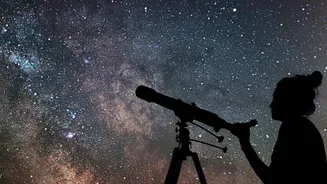
While naked-eye observation offers a fantastic introduction to stargazing, considering a modest investment in binoculars or a small telescope can elevate your experience. These optical aids allow for a much closer and detailed examination of celestial bodies; you can observe the craters on the moon, the bands on Jupiter, or the rings of Saturn with surprising clarity. However, it's important to remember that spectacular views are entirely achievable without these devices. Focusing on understanding what you can see with the unaided eye is a perfectly valid and highly rewarding starting point for any aspiring stargazer.
Join a Community
To truly enrich your stargazing endeavors, consider becoming part of a local astronomy club. These groups bring together individuals who share a passion for the cosmos, fostering a supportive and educational environment. Membership often grants access to organized viewing events, providing opportunities to learn from seasoned astronomers who possess a wealth of knowledge. Experienced club members can offer hands-on guidance in identifying constellations, planets, and other sky objects through practical demonstrations and engaging discussions, making your journey into the universe both more social and more informative.