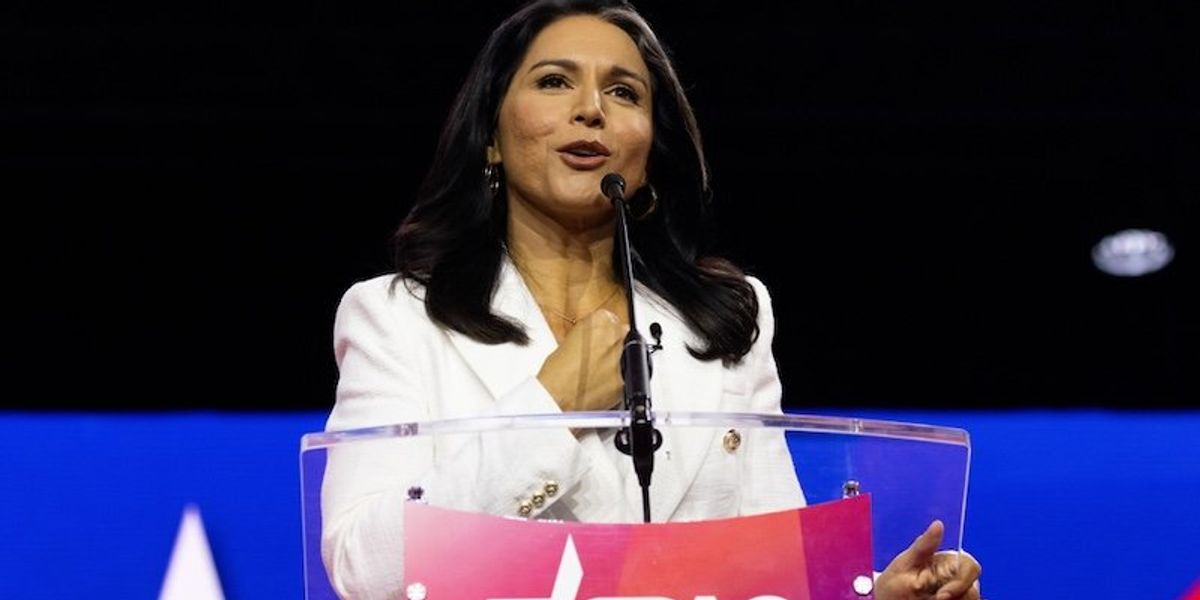
Tulsi Gabbard, the Director of National Intelligence, has ignited a political firestorm with her startling allegations against former President Barack Obama. Gabbard asserts that following Donald Trump's
Did You Know
In Switzerland, it's illegal to own just one guinea pig because they're prone to loneliness.
?
AD
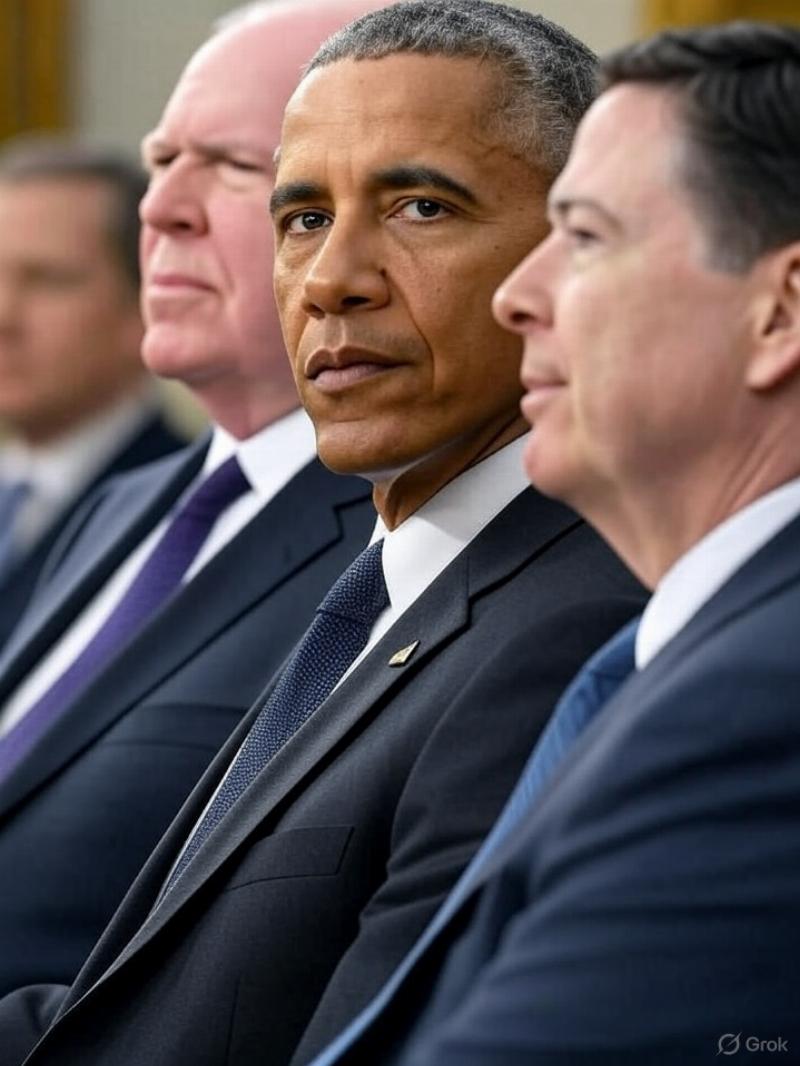
2016 election victory, Obama and his administration orchestrated a "treasonous conspiracy" to undermine his presidency. Central to her claims is the assertion that intelligence was manipulated to create a false narrative of Russian interference, facilitating a prolonged investigation into alleged collusion with Russia.
In a bid to bring accountability to those she accuses, Gabbard has indicated that she plans to present evidence to the Department of Justice and pursue criminal referrals for officials involved in this purported plot. The political ramifications of her statements have already begun to ripple across the landscape, with Democrats labeling her claims as fabrications and conspiracy theories, while many Republicans rally in support. This division underscores the fractious nature of contemporary political discourse, where partisan lines often dictate the perception of truth and accountability.
As the nation grapples with issues of electoral integrity and the role of intelligence agencies, Gabbard's revelations serve as a powerful reminder of the ongoing tensions shaping American democracy. The controversial claims have reignited a dialogue about the actions of past administrations and their potential repercussions, offering a vivid snapshot of the broader struggles between divergent political ideologies. In a climate where dialogue is increasingly polarized, Gabbard's accusations illustrate the deep-seated fractures at the heart of American political life.
Q&A (Auto-generated by AI)
What evidence supports Gabbard's claims?
Tulsi Gabbard, the Director of National Intelligence, claims to have declassified documents that indicate the Obama administration manufactured intelligence regarding Russian interference in the 2016 election. She asserts that these documents reveal a coordinated effort to undermine Donald Trump's presidency. Gabbard's allegations suggest that top officials manipulated intelligence assessments to create a false narrative of collusion.
How did the Obama administration respond?
The Obama administration has largely dismissed Gabbard's claims as unfounded and politically motivated. Officials from that era, including former intelligence leaders, have criticized the allegations, labeling them as conspiracy theories. They argue that the intelligence community's assessments regarding Russian interference were supported by bipartisan investigations and were not fabricated.
What is the significance of the 2016 election?
The 2016 election is significant as it marked a pivotal moment in U.S. politics, leading to Donald Trump's unexpected victory over Hillary Clinton. This election was heavily influenced by allegations of Russian interference, which sparked extensive investigations and debates about election integrity. The ramifications of these events continue to shape political discourse and public trust in electoral processes.
What are the implications of Gabbard's report?
Gabbard's report, if validated, could have serious implications for former Obama administration officials, potentially leading to legal actions or criminal referrals. It raises questions about accountability in government actions and the integrity of intelligence assessments. Additionally, it may further polarize political divisions, fueling ongoing debates about the legitimacy of the 2016 election.
How does this relate to past election controversies?
Gabbard's claims echo historical controversies surrounding election integrity, such as the Watergate scandal and the allegations of voter suppression in past elections. Each instance reflects concerns about the manipulation of political processes and the role of intelligence in shaping public perception. This pattern of controversy highlights the ongoing struggle over trust in government and electoral systems.