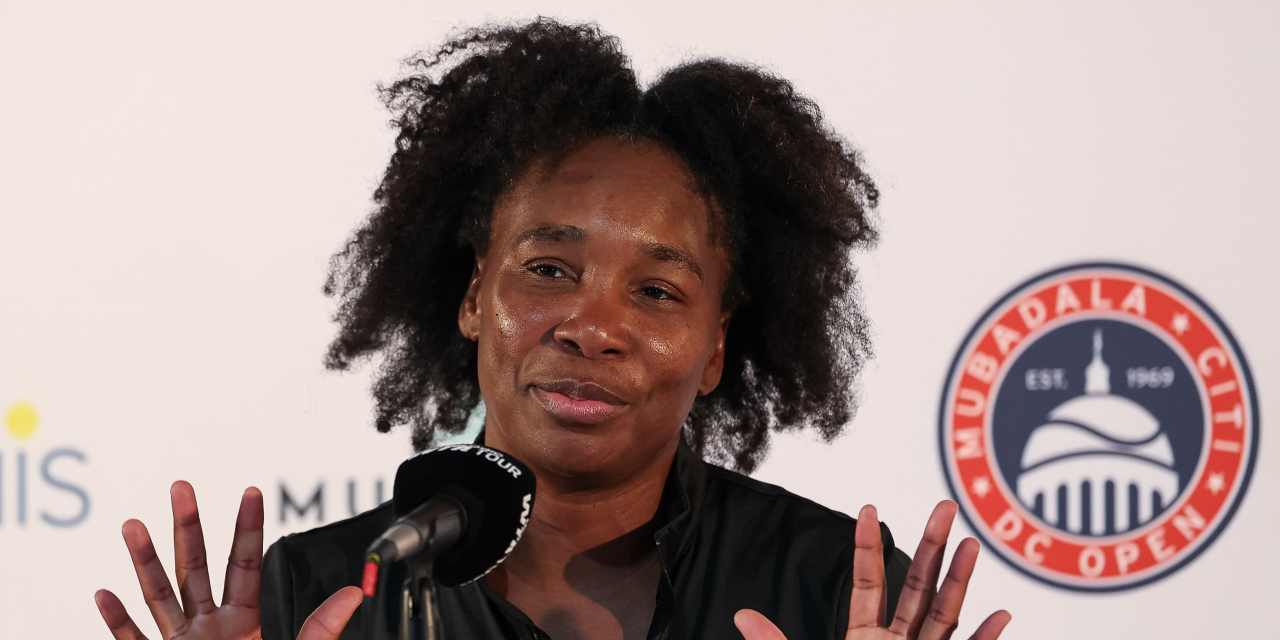
In a striking turn of events, tennis legend Venus Williams made headlines recently for returning to the court at the age of 45. The seven-time Grand Slam champion, known for her formidable presence in the sport,
Did You Know
Bananas are berries, but strawberries aren't.
?
AD
revealed that her comeback was fueled not by a desire for trophies, but rather a pressing need for health insurance. After a year and a half away from professional play, Williams stated she was put on COBRA and felt the need for better coverage, shedding light on a subject that resonates deeply with athletes, especially those approaching retirement.
Williams showcased her enduring talent with a remarkable victory over 22-year-old Peyton Stearns, marking her as the oldest woman to win a WTA singles match since 2004. As she celebrated this achievement, Williams offered a candid reflection on her motivations in a light-hearted moment during an on-court interview. Her comments struck a chord, illustrating that even superstar athletes are not immune to the challenges of healthcare affordability. The juxtaposition of her extraordinary career earnings—over $42 million—against her struggle for adequate health coverage has ignited crucial discussions about the realities facing aging athletes.
Williams' experience serves as a potent reminder of the importance of preparing for health care needs in retirement. Her story resonates with many, urging athletes and individuals alike to prioritize comprehensive planning for their futures. In an age where physical prowess and financial success do not always equate to security, Venus Williams stands as both an inspiration and a cautionary tale, revealing that the pursuit of health and stability is a universal battle, no matter how accomplished one might be.
Q&A (Auto-generated by AI)
What are COBRA benefits for athletes?
COBRA, or the Consolidated Omnibus Budget Reconciliation Act, allows individuals to continue their health insurance coverage after leaving employment or experiencing a qualifying event. For athletes, this means they can maintain their health benefits for a limited time after retirement or when they stop competing. This is crucial for those like Venus Williams, who returned to tennis primarily to secure better health insurance coverage, highlighting the financial pressures even successful athletes face regarding health care.
How does health insurance impact retirement?
Health insurance significantly influences retirement planning, particularly for athletes. Many retire without adequate coverage, leading to financial strain due to medical costs. Venus Williams' return to tennis underscores this issue; despite her wealth, she needed to play to secure health insurance. This situation emphasizes the importance of planning for health care expenses in retirement, particularly for those in physically demanding careers.
What challenges do aging athletes face?
Aging athletes often confront various challenges, including declining physical performance, increased risk of injuries, and the need for ongoing medical care. As they retire, many lack sufficient health insurance, which can lead to financial difficulties. Venus Williams' experience highlights the necessity for adequate health coverage, as even successful athletes may struggle with medical expenses, prompting some to return to competition to maintain their benefits.
What is the history of athlete health coverage?
Historically, athlete health coverage has evolved with the sports industry. Early professional athletes often lacked insurance, relying on personal funds for medical needs. Over time, organizations and leagues began offering health benefits, but gaps remain, especially for retired athletes. The recent focus on health insurance, as seen with Venus Williams, reflects ongoing concerns about the adequacy and affordability of health care for those who dedicate their lives to sports.
How can athletes prepare for health costs?
Athletes can prepare for health costs by planning early and seeking comprehensive health insurance options. This includes understanding COBRA benefits, exploring private insurance, and considering long-term care plans. Financial literacy is crucial; athletes should consult financial advisors to create a sustainable plan for health-related expenses post-retirement. Venus Williams’ situation serves as a reminder of the importance of proactive health planning for all athletes.