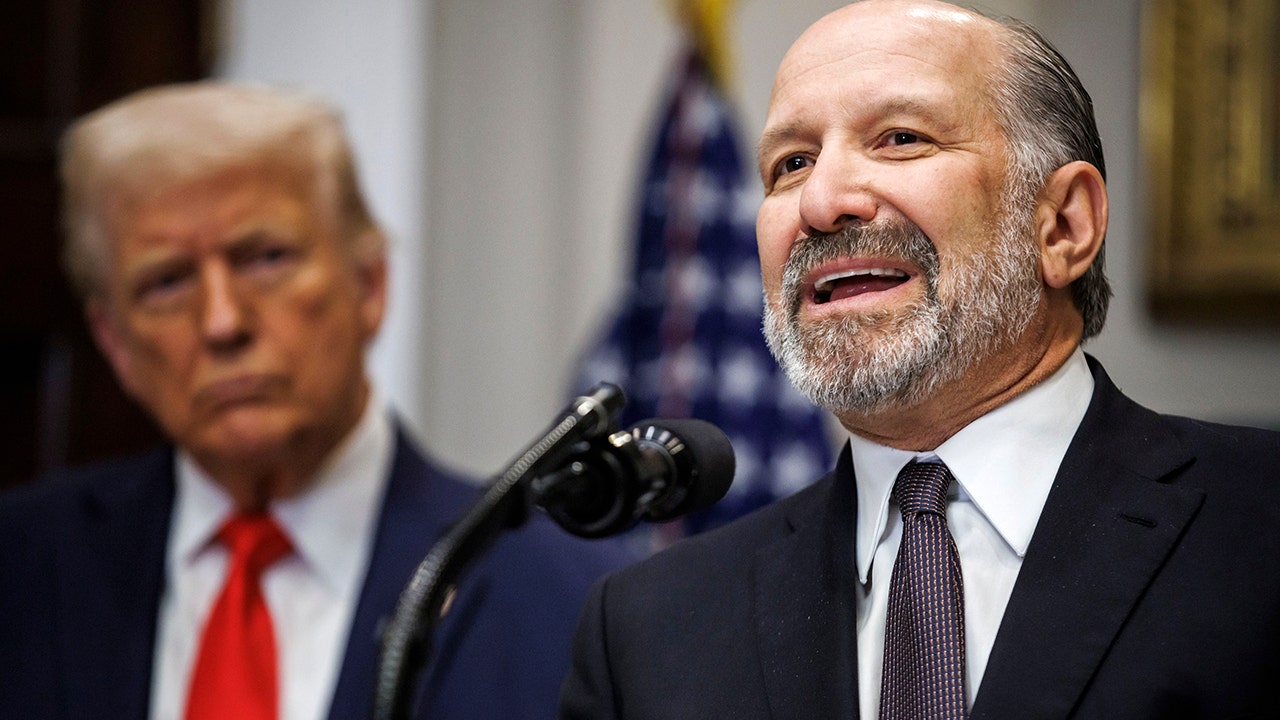
With the pressure mounting ahead of the August 1 deadline, U.S. Commerce Secretary Howard Lutnick is at the forefront of critical trade negotiations that aim to shape the future of American economic relationships.
Did You Know
There’s a species of jellyfish that’s immortal.
?
AD
Lutnick has made it clear that significant deals must be achieved with key players, including the European Union and South Korea, illustrating the Trump administration's focus on leveraging trade policies to bolster the U.S. economy. His confidence in securing a trade agreement with the EU is palpable, as he emphasizes the urgency and stakes attached to these impending negotiations.
Central to Lutnick's efforts is the contentious situation surrounding the popular social media app TikTok. The Secretary has issued an unequivocal warning: without a shift in ownership away from Chinese control, the app may face a shutdown in the United States. This matter has become a cornerstone of discussions between Washington and Beijing, highlighting the intertwined nature of digital security and international commerce in today's political landscape.
While Lutnick vigorously defends the administration's tariff policies as vital for economic strategy, criticism has surfaced regarding their effectiveness. Detractors describe him as a "huckster," questioning the practicality of the proposed tariffs and their potential impact on American consumers. Adding an ironic twist to the unfolding saga, Lutnick's sons are incentivizing clients to bet against the very tariffs that their father champions, further complicating the narrative. As these discussions evolve, the outcome of Lutnick's diplomatic endeavors will undoubtedly influence the broader economic future of the country.
Q&A (Auto-generated by AI)
What are the implications of tariffs?
Tariffs are taxes imposed on imported goods, which can lead to increased prices for consumers and affect international trade dynamics. They aim to protect domestic industries by making foreign products more expensive. However, they can also provoke retaliatory measures from trading partners, potentially escalating into trade wars. For example, the Trump administration's tariffs on various countries aimed to reduce the trade deficit but faced criticism for harming American consumers and industries reliant on imported goods.
How do tariffs affect trade relationships?
Tariffs can strain trade relationships by creating tensions between countries. When one country imposes tariffs, affected nations may retaliate with their own tariffs, leading to a cycle of increasing trade barriers. This was evident in the US-China trade conflict, where tariffs led to a significant decline in bilateral trade. While tariffs can protect certain domestic industries, they often complicate international negotiations and can damage long-term economic partnerships.
What is the USMCA agreement?
The United States-Mexico-Canada Agreement (USMCA) is a trade deal that replaced NAFTA, aiming to modernize trade between the three countries. It includes provisions for labor rights, environmental protections, and digital trade. The agreement seeks to create a more balanced trade environment, particularly in agricultural and automotive sectors. Commerce Secretary Howard Lutnick has indicated that the Trump administration plans to renegotiate aspects of the USMCA, reflecting ongoing trade policy adjustments.
What role does the Commerce Secretary play?
The Commerce Secretary oversees the Department of Commerce, which focuses on promoting economic growth, job creation, and sustainable development. This role includes managing trade policies, overseeing the census, and regulating various industries. Howard Lutnick, as Commerce Secretary, has been vocal about tariffs, trade agreements, and economic strategies, emphasizing the administration's goals to secure favorable trade deals and address trade deficits with key partners.
How has US-China trade evolved over time?
US-China trade has undergone significant changes, particularly since China's entry into the World Trade Organization in 2001. Initially marked by rapid growth and mutual benefits, tensions have escalated in recent years due to trade imbalances and intellectual property disputes. The Trump administration's tariffs on Chinese goods aimed to address these issues but also led to retaliatory tariffs, affecting various sectors. The ongoing negotiations reflect the complexities of this crucial economic relationship.