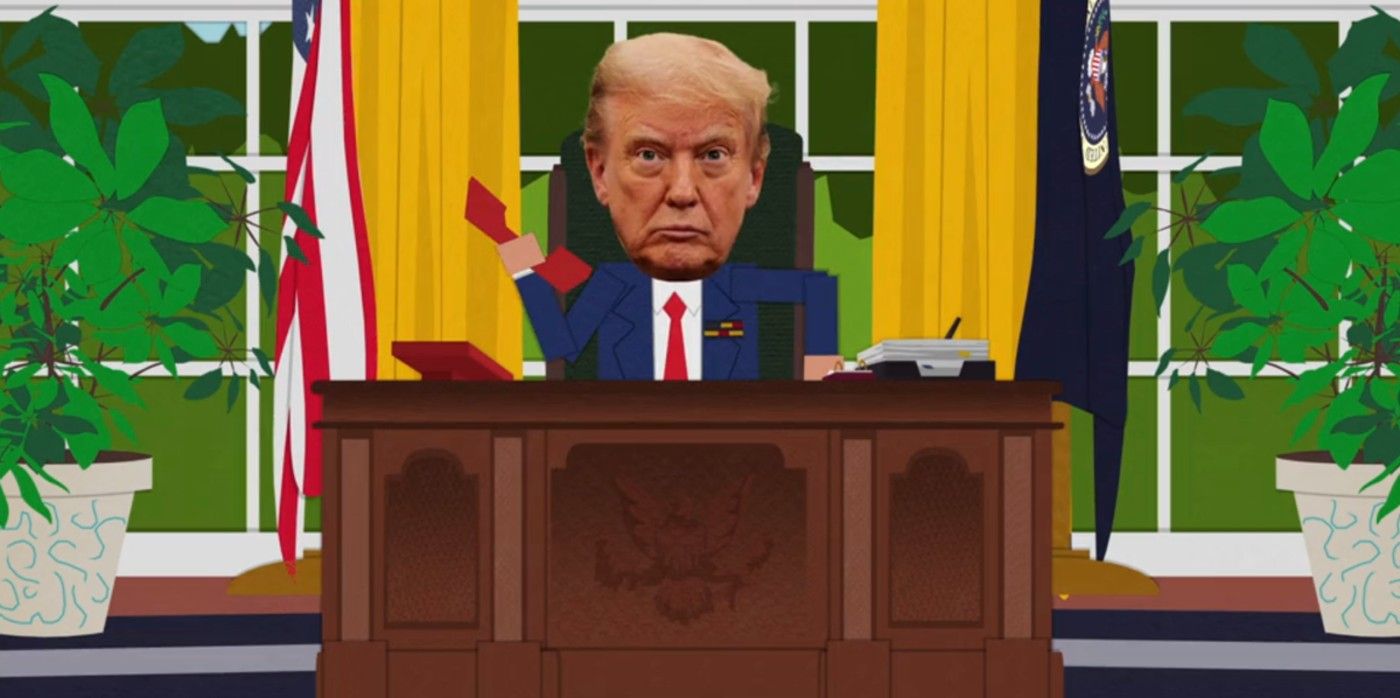
The iconic animated series "South Park" made headlines once again with its audacious season 27 premiere, cleverly titled "Sermon on the Mount." This episode boldly depicts former President Donald Trump
Did You Know
The world's oldest person on record lived to be 122 years old.
?
AD
in bed with Satan, intertwining satire with striking visual imagery that ridicules both the president's character and his physical attributes, specifically portraying him with a tiny penis. In a trademark move, creators Trey Parker and Matt Stone did not shy away from controversy at a time when they had recently signed a significant $1.5 billion streaming deal with Paramount.
Immediately following the airing, the White House slammed the episode, labeling it a "desperate attempt for attention." According to an official statement, the series fails to resonate with contemporary viewers, asserting that it hasn't been relevant for over twenty years. Trump responded with disdain for the show, referring to it as a "fourth-rate show." This escalating war of words between the animated show and the former administration highlights the ongoing friction between political figures and the media’s ability to portray them in unflattering lights.
As audiences reacted with a mixture of shock and excitement, it became evident that “South Park” had successfully reclaimed its position as a sharp needle in the fabric of American satire. The comedic duo's sarcasm in addressing the backlash—offering a feigned apology—exemplifies their dedication to pushing boundaries, despite potential repercussions. With this latest installment, "South Park" not only secures its legacy as a cultural milestone but also reignites essential conversations around freedom of expression, media responsibility, and the role of comedy in challenging political norms.
Q&A (Auto-generated by AI)
What themes are explored in South Park's satire?
South Park's satire often tackles themes of hypocrisy, political corruption, and societal absurdities. In the recent Season 27 premiere, the show critiques President Trump's controversial behavior, portraying him in an outrageous light alongside Satan. This episode exemplifies the show's approach to addressing political figures while highlighting the absurdity of their actions, such as Trump's lawsuits against critics. By using humor, South Park encourages viewers to reflect on the consequences of political decisions and media influence.
How has South Park addressed political figures historically?
Historically, South Park has been known for its fearless satire of political figures, including past presidents like George W. Bush and Barack Obama. The show uses humor to comment on their policies, scandals, and public personas. Its creators, Trey Parker and Matt Stone, have often pushed boundaries, exemplified by their portrayal of Trump in Season 27. This tradition of political satire has sparked discussions about freedom of speech and the role of comedy in political discourse.
What legal challenges do creators face in satire?
Creators of satirical content like South Park often face legal challenges related to defamation, copyright, and obscenity. The recent episode depicting Trump in a compromising situation illustrates the potential for backlash and lawsuits from public figures. However, satire is generally protected under the First Amendment, allowing creators to criticize and parody without fear of legal repercussions, provided it does not cross into malicious intent or false representation.
How does the White House typically respond to satire?
The White House often responds to satire with criticism or dismissal, particularly when the content is perceived as damaging. In the case of South Park's Season 27 premiere, a White House spokesperson labeled the depiction of Trump as a 'desperate attempt for attention.' Such responses highlight the tension between political figures and media portrayals, as officials may seek to undermine the credibility of satirical content while attempting to maintain their public image.
What impact does corporate ownership have on satire?
Corporate ownership can significantly influence the direction and content of satirical shows. With South Park's recent $1.5 billion deal with Paramount, concerns arose about potential censorship and the creators' freedom to critique their parent company. This dynamic raises questions about the balance between artistic expression and corporate interests, as creators may face pressure to align their content with the values of their corporate partners, potentially diluting their satirical edge.