Into the Earth, Toward the Divine: India’s Most Powerful Shiva Cave Shrines!
Maha Shivratri is not just a night of fasting and prayers, it is a spiritual
journey inward. Across India, devotees mark this sacred occasion by seeking Shiva not only in grand temples but also in places where nature itself becomes the shrine. Among the most powerful of these are India’s underground Shiva caves, where devotion descends deep into the earth, mirroring the inward path of meditation.
These caves are more than pilgrimage spots. They are spaces of silence, mystery, and raw energy, believed to amplify spiritual connection, especially on Maha Shivratri, the night dedicated to Lord Shiva’s cosmic dance and divine consciousness.
Why Shiva Caves Hold Special Spiritual Significance
In Hindu philosophy, caves symbolise the womb of the earth, a place of creation, stillness, and transformation. Shiva, the ascetic god of meditation, is naturally associated with such environments. The darkness of caves represents ignorance, while the inner sanctum signifies enlightenment.
On Maha Shivratri, devotees believe that meditating or praying in Shiva caves allows one to align with Shiva’s energy, encouraging introspection, detachment, and renewal.
Amarnath Cave, Jammu & Kashmir: Ice, Faith, and Eternity
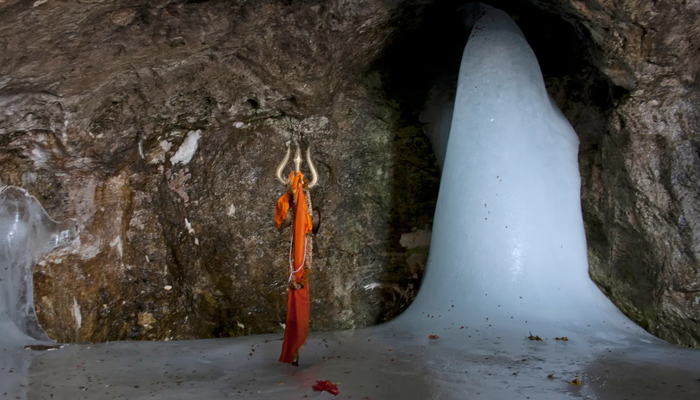
Perhaps the most iconic Shiva cave in India, the Amarnath Cave houses a naturally formed ice lingam, believed to wax and wane with the moon. Located at an altitude of over 12,000 feet, the cave represents extreme devotion, both physical and spiritual.
Though the yatra occurs in summer, Amarnath’s spiritual relevance peaks on Maha Shivratri, when legends say Shiva revealed the secrets of immortality to Goddess Parvati here.
Elephanta Caves, Maharashtra: Where Art Meets the Absolute
Situated on an island near Mumbai, the Elephanta Caves are a UNESCO World Heritage Site and a testament to India’s artistic devotion to Shiva. Carved between the 5th and 8th centuries, the caves feature stunning rock-cut sculptures, including the famous Trimurti, Shiva as creator, preserver, and destroyer.
On Maha Shivratri, the caves resonate with chants, drawing devotees who see this space as a fusion of philosophy, art, and devotion.
Mahakaleshwar Cave Temples, Ujjain: Time and Transcendence
Ujjain, one of India’s seven sacred cities, is home to Mahakaleshwar Jyotirlinga, where underground chambers play a crucial role in rituals. Shiva here is worshipped as Mahakal, the lord of time.
The subterranean sanctum enhances the sense of surrender and humility. During Maha Shivratri, night-long abhishekams and chants transform the underground space into a powerful spiritual vortex.
Badami Cave Temples, Karnataka: Shiva in Stone and Silence
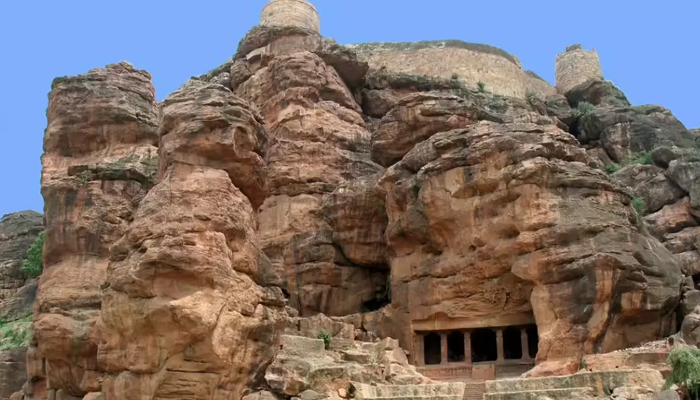
The Badami Caves, carved into red sandstone cliffs, house shrines dedicated to Shiva and other deities. Cave One, in particular, features a striking image of Nataraja, Shiva as the cosmic dancer.
These caves offer a quieter, contemplative Maha Shivratri experience, ideal for devotees who seek stillness over spectacle.
Kotilingeshwara-Linked Natural Caves, Andhra Pradesh
In regions around Andhra Pradesh and Telangana, several lesser-known natural caves associated with Shiva worship come alive during Maha Shivratri. Local traditions, night-long bhajans, and oil lamps create an atmosphere of deep-rooted devotion passed down through generations.
These caves may not be widely publicised, but their spiritual intensity remains profound.
Experiencing Maha Shivratri in a Cave: What Makes It Different
Praying in a cave on Maha Shivratri strips worship down to its essence:
- Minimal distractions
- Heightened focus
- A sense of surrender
- Connection with primal energy
The echo of chants, flickering lamps, and natural rock formations create a sacred ambience that modern temples sometimes cannot replicate.
A Gentle Reminder for Pilgrims
If you plan to visit any Shiva cave:
- Respect local customs and restrictions
- Avoid overcrowding fragile cave ecosystems
- Focus on spiritual experience, not photography
Shiva caves are not tourist attractions, they are living spaces of faith.
As Maha Shivratri reminds us, the journey to the divine often begins by going inward and sometimes downward. India’s sacred Shiva caves invite devotees to leave the noise of the world behind and encounter silence, darkness, and ultimately, light.
Because sometimes, to find Shiva, you must first enter the cave within.