Flight Savings Strategies
Securing the most affordable airfare to Japan requires strategic planning and flexibility. Experts emphasize booking flights well in advance to lock in lower
prices, utilizing flight comparison websites to track fare fluctuations and set alerts for price drops. Being adaptable with travel dates, such as opting for mid-week departures and avoiding peak seasons like cherry blossom or autumn foliage periods, can dramatically reduce costs. Considering budget airlines and less direct routes, potentially including overnight layovers, can also lead to significant savings compared to premium nonstop flights. Exploring secondary or smaller airports for both departure and arrival in Japan might present cheaper options. Furthermore, comparing the cost of two one-way tickets on different carriers against a traditional round-trip fare can sometimes reveal a more economical choice.
Budget-Friendly Stays
Finding comfortable and affordable accommodation in Japan doesn't mean compromising on experience. Capsule hotels offer a unique and cost-effective option, especially for shorter stays, providing clean and functional sleeping pods. For those seeking a more local feel, traditional family-run guesthouses, often found outside major urban centers, provide a simpler, more immersive cultural experience, sometimes with shared facilities. Hostels are another excellent choice for budget-conscious travelers, with numerous platforms available for comparing options across the country. Reliable Japanese chains known for their cleanliness and comfort are also good choices, even if rooms are compact. These alternatives ensure travelers can rest well without overspending, freeing up funds for exploration and dining.
Efficient Public Transport
Navigating Japan affordably is made easy by its world-class public transportation system. Prioritizing trains and subways over taxis is key, as these networks efficiently connect cities and regions, including the famed shinkansen (bullet train). While national rail passes have seen price adjustments, exploring regional rail passes tailored to specific travel areas can be very economical. For longer distances, highway buses present a slower but reliable and cost-effective alternative to bullet trains, offering clean and comfortable journeys. Embracing public transit not only saves money but also provides an authentic Japanese travel experience, allowing you to witness the country's efficient infrastructure firsthand.
Delicious Budget Dining
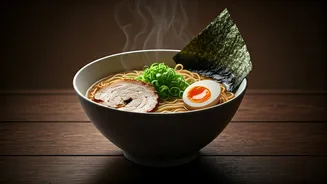
Eating well in Japan on a budget is entirely achievable, extending far beyond convenience stores. Japanese convenience stores (konbini) offer a wide array of tasty and affordable meals like bento boxes and onigiri. For a quintessential budget meal, seek out local noodle shops for inexpensive bowls of soba or udon. Grocery stores and department store food halls (depachika) provide high-quality options at reasonable prices. Fish markets are ideal for fresh, affordable seafood. Traditional street food stalls (yatai) serve classic dishes affordably. Casual eateries near train stations and izakayas (Japanese pubs) also offer excellent value, allowing you to sample various dishes without high costs.
Free & Low-Cost Activities
Many of Japan's most captivating experiences are either free or require only a small entrance fee. Visiting historic temples and shrines, such as those found in Tokyo, offers a glimpse into the nation's rich culture and history with minimal cost, and some sites are entirely free. Beautiful Japanese gardens provide serene escapes, with many offering affordable access or being part of public parks. Exploring expansive public parks is another excellent way to enjoy nature and local life without spending. Additionally, numerous free art galleries and exhibition spaces across cities showcase contemporary and fine art. Simply walking through diverse neighborhoods, from bustling urban centers to tranquil historical districts, is a rewarding and cost-free way to absorb the local atmosphere.
Smart Timing & Destinations
To truly maximize your budget, strategic timing and destination choices are crucial. Planning your trip during the shoulder seasons, such as late spring/early summer (May-August) or late autumn/early winter (late November-December, or January-early March), generally offers better value and fewer crowds compared to peak periods like cherry blossom or autumn foliage seasons. While major cities like Tokyo, Kyoto, and Osaka are popular, they also tend to be the most expensive, especially during busy times. Consider exploring less-traveled cities such as Kobe, Kanazawa, or Fukuoka. These destinations often boast excellent culinary scenes, charming walkable areas, and compelling cultural attractions at noticeably lower prices and with a more relaxed atmosphere.