Moonward Bound Now
SpaceX's ambitious timeline for uncrewed Mars missions has been notably deferred, as CEO Elon Musk announced a significant pivot in the company's strategic
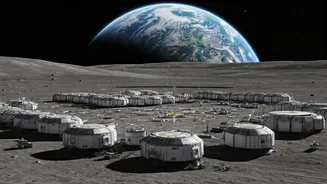
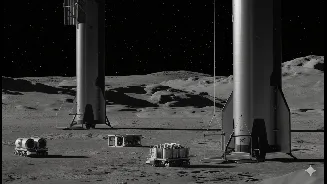
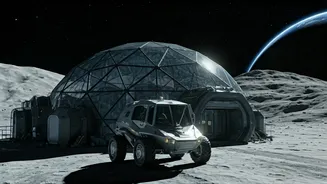
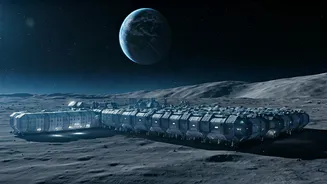
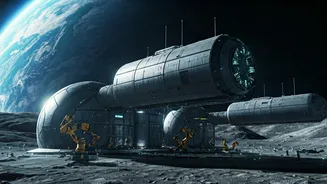
direction. The new primary objective is the development of a self-growing city on the Moon, a feat Musk believes could be realized in under a decade. This marks a departure from previous pronouncements, where Mars was emphatically declared the singular destination. The impetus for this shift appears to stem, in part, from NASA's recent reopening of a lunar lander contract awarded to SpaceX, which had faced delays related to the Starship vehicle's development. This development has seemingly galvanized SpaceX's commitment to lunar endeavors, prompting the preparation of a 'simplified' version of its Human Landing System and placing lunar projects at the forefront of its immediate priorities.
Mars Ambitions Persist
Despite the immediate focus on lunar development, Elon Musk remains steadfast in his long-term vision for Mars. While the company has communicated to private investors that lunar missions are now prioritized, with a target flight in March 2027, the Red Planet is not being abandoned. Musk indicated that Mars missions could commence in 5 to 6 years, suggesting a parallel development alongside lunar activities, though the Moon will serve as the initial focal point. This strategy leverages the more frequent launch windows to the Moon, occurring approximately every 10 days with a mere two-day transit time, allowing for significantly faster iteration and progress compared to the less frequent, longer transit times required for Mars missions. The eventual goal for a self-growing city on the Moon is anticipated to be achievable in less than half the time estimated for a similar Martian settlement.
Lunar Foothold Rationale
The strategic decision to prioritize a Moon base is rooted in the pursuit of establishing a self-sustaining human presence beyond Earth at an accelerated pace. Musk highlights that the Moon's accessibility, with frequent launch opportunities, enables rapid prototyping and development of technologies essential for a self-growing city. This approach is viewed as a critical step in safeguarding humanity against potential catastrophic events on Earth, whether natural or man-made. Furthermore, the experience gained from developing a lunar colony is expected to pave the way for future Martian endeavors. While the company continues to aim for crewed flights to Mars as early as 2031, the immediate focus is on leveraging the Moon as a stepping stone. Launching directly from Earth to Mars will remain the primary method for interplanetary travel as long as fuel availability is a limiting factor on the Moon. The ambitious Starship vehicle, crucial for both lunar and Martian missions, is currently undergoing flight tests and is also slated for deploying next-generation Starlink satellites and potentially orbital data centers.