Needlepoint's Resurgence
Needlepoint, a craft previously associated with grandmothers, is experiencing a renaissance. The rhythmic nature of stitching, the satisfying feel of the needle
and thread, and the tangible results are key to its enduring popularity. This surge in interest is due to a desire for hobbies that offer a break from digital screens. Furthermore, crafting provides a sense of accomplishment and the creation of beautiful, personalized items. The process is not about perfection, but rather a journey that culminates in producing original art. Whether it's to create gifts for loved ones or to add a touch of personality to one's home, needlepoint offers satisfaction and peace.
Getting Started Essentials
Embarking on a needlepoint adventure requires a few essential tools. The foundation is a needlepoint canvas, with the mesh size determining the design's intricacy. Choose from a variety of canvases made of different materials like cotton, linen, or synthetic materials. Next comes the needle, usually a tapestry needle with a blunt tip. The blunt tip prevents the needle from piercing the canvas fibers. An embroidery hoop or frame is crucial for keeping the canvas taut while stitching, which will lead to more uniform stitches. Selecting your threads depends on the project. You may choose wool for its texture and durability, cotton for a smoother finish, or silk for added luster. Finally, a pair of sharp scissors is indispensable to trim threads and finish your work neatly. These foundational materials lay the groundwork for a creative endeavor.
Mastering Basic Stitches
The beauty of needlepoint lies in its simplicity, making it accessible to beginners. The most fundamental stitch is the continental stitch, which provides a diagonal stitch that completely covers the canvas, perfect for filling in areas. The basketweave stitch, a variation of the continental stitch, is also used to fill large spaces, but it creates a different texture through its alternating vertical and horizontal patterns. The half-cross stitch is another versatile option; it's an excellent choice for backgrounds. Beyond these essential stitches, experimentation is encouraged. Try the tent stitch and the upright gobelin stitch to add detail and dimension. A little practice is key. By consistently working these basic techniques, the craftsperson can grow quickly in needlepoint.
Designing Your Masterpiece
Once you have the basics down, it's time to unleash your creativity. There are a variety of ways to design needlepoint projects. Firstly, you can find a pre-made design or kit, which provides the canvas, threads, and instructions. Alternatively, you can use a blank canvas and chart your own design. This can be as simple as tracing an image or creating an original pattern. Consider the size and complexity of your design, and choose colors to match your taste. When selecting your colors, consider the effect you wish to achieve – complementary colors can create contrast, while analogous colors can produce harmony. Before you begin stitching, remember to block the canvas after finishing to ensure the project maintains its shape.
Needlepoint's Therapeutic Value
Beyond its artistic merits, needlepoint offers substantial therapeutic benefits. It's a mindful activity that encourages focus and helps quiet the mind. The repetitive nature of stitching can induce a meditative state, reducing stress and anxiety. The tactile experience of working with threads and canvas can be very calming, providing a sense of comfort and control. Needlepoint provides a sense of accomplishment, which boosts self-esteem. The projects also offer opportunities for social engagement. It's a craft that combines creativity with a sense of well-being, providing a rewarding escape from the demands of modern life. This creative outlet encourages focus and provides a break from the constant stimulation of digital devices.
Modern Needlepoint Projects
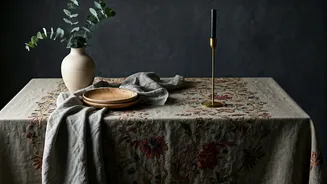
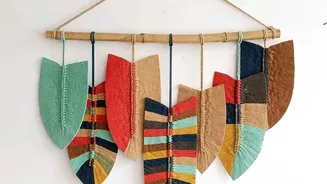
Needlepoint's adaptability is revealed in its modern applications. The craft has evolved beyond traditional designs, embracing contemporary aesthetics and styles. Creating personalized home decor items is a popular use of this skill, like cushions, wall art, and even chair coverings. The needlepoint can add a touch of elegance and personality to any interior. Beyond the home, needlepoint can be used to embellish accessories, such as handbags, belts, and phone cases. The craft's versatility lets you customize gifts for friends and family, from initials to intricate designs. This allows one to create unique items. Needlepoint's creative possibilities are only limited by imagination.