Supplemental Heat, Not Replacement
When the temperatures plummet, reaching for a space heater to warm a specific room can be tempting. An HVAC expert clarifies that these devices are best
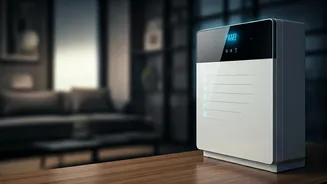
suited as supplementary heat sources, not as a substitute for your home's primary heating system. While they offer immediate comfort by quickly warming a small area, especially if you plan to spend extended periods in one location, it's crucial to weigh these benefits against potential drawbacks. These can include making the air feel dry, an increased risk of fire hazards, and, importantly, added energy expenses. The decision to use a space heater effectively hinges on how and where you deploy it, and how diligent you are about managing its operation.
Safety First: Fire Risks
The convenience of a space heater comes with inherent safety considerations, chief among them being the potential for fire. To mitigate these risks, professionals advise placing the heater on a stable, flat surface and maintaining a minimum clearance of 3 feet from any flammable materials like curtains, paper, or bedding. Critically, space heaters should never be left unattended or operated overnight while you are asleep. Additionally, avoid plugging these high-amperage appliances into power strips or extension cords, as this can lead to overloading and increase the likelihood of a fire. When purchasing a space heater, prioritize models that meet current safety standards, are appropriately sized for the space you intend to heat, and feature safety mechanisms such as automatic shut-off for tipping or overheating.
Energy Drain Analysis
Any electrical appliance connected to power consumes energy, and space heaters are no exception, contributing to your overall electricity costs. Many people underestimate the energy consumption of these units, particularly if they are left running for prolonged durations or in unoccupied spaces. However, many modern space heaters are equipped with timers or automatic shut-off features to help manage usage. Operating a space heater in a room you're not currently in is both a safety concern and a financial waste, as you're not reaping the intended comfort benefits. Furthermore, using a space heater in a drafty environment, such as a poorly insulated garage, can lead to substantial energy expenditure with minimal improvement in warmth due to heat escaping through gaps and openings.
Heating System Clues
While using a space heater doesn't automatically signal an issue with your main furnace, it can sometimes be an indicator that your primary heating system isn't performing optimally. An HVAC expert suggests that a frequent reliance on space heaters might point to underlying problems such as inadequate home insulation, unsealed vents causing drafts, or that your furnace is due for maintenance to enhance its efficiency. In such scenarios, seeking advice from a heating professional is recommended. They can conduct a thorough assessment of your system and propose long-term solutions that, while perhaps requiring an upfront investment, can lead to significant cost savings in the future.
Smart Usage Strategies
If you opt to use a space heater, implementing smart strategies can help keep your energy bills in check. Focusing the heat on a single room where you are present is paramount. Even if your unit lacks a timer, consider manually setting one or unplugging it when not in use to prevent 'phantom' energy draw. Simple home heating hacks can also complement space heater use. For instance, opening curtains during daylight hours allows natural sunlight to warm your home, while closing them at dusk helps to trap that warmth inside and reduce heat loss.