Mumbai's Vibrant Food Scene
Mumbai, a city that never sleeps, boasts a dynamic and diverse culinary scene, reflecting its status as a cosmopolitan hub. From iconic street food stalls
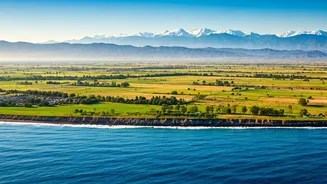
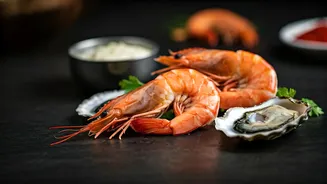
to upscale dining establishments, the city offers an eclectic mix of flavors. Pav Bhaji, a spicy mashed vegetable dish served with buttered bread, is a quintessential Mumbai street food experience. Vada Pav, a deep-fried potato fritter sandwiched in a bun, is another beloved snack that fuels the city's fast-paced life. Beyond these street-side staples, Mumbai also excels in seafood, with fresh catches from the Arabian Sea being prepared in various regional styles, particularly Goan and Malvani cuisines. The city's culinary landscape is also shaped by its large Gujarati and Maharashtrian populations, contributing a wealth of vegetarian and traditional dishes. This vibrant food culture is a testament to Mumbai's ability to embrace and fuse diverse culinary influences, making it a true gastronomic paradise for locals and tourists alike.
Exploring Gujarat's Flavors
Gujarat's cuisine is predominantly vegetarian, characterized by its subtle sweetness and a unique blend of spices. A cornerstone of Gujarati culinary tradition is the 'Thali,' a platter featuring a variety of dishes that offer a complete gastronomic experience. This typically includes dal (lentils), rice, roti (flatbread), and an assortment of vegetable preparations, often with a touch of sweetness. Dhokla, a steamed savory cake made from fermented batter, is a popular snack and breakfast item. Khandvi, a delicate roll made from gram flour, is another distinct Gujarati delicacy. The state is also known for its flavorful farsan (savory snacks) like Fafda and Gathiya. Their use of jaggery and a mild spice profile makes their food approachable and delightful, emphasizing fresh ingredients and balanced flavors. The emphasis on community dining and festive meals further highlights the cultural significance of food in Gujarat.
The Spices of Punjab
Punjabi cuisine is renowned for its robust flavors, rich gravies, and generous use of dairy products, making it a hearty and satisfying culinary experience. Butter Chicken, with its creamy tomato-based sauce and tender chicken pieces, is a globally recognized Punjabi dish. Dal Makhani, a slow-cooked lentil preparation enriched with butter and cream, is another iconic offering. Tandoori dishes, cooked in a traditional clay oven, are a hallmark of Punjabi cooking, with Tandoori Chicken and Paneer Tikka being prime examples. The staple accompaniment to these rich dishes is Amritsari Kulcha, a leavened, oven-baked flatbread stuffed with potatoes or paneer. The region's agricultural bounty contributes to its flavorful cuisine, with fresh produce and grains playing a significant role. The emphasis on communal eating and celebration is deeply ingrained in Punjabi food culture, making meals a joyous occasion.
Uttar Pradesh's Culinary Heritage
Uttar Pradesh, a state with a rich historical and cultural legacy, offers a diverse and refined culinary landscape, particularly known for its Mughlai influences in cities like Lucknow. Kebabs, such as the succulent Galouti Kebab, are a testament to the sophisticated palate of the region. Biryani, a fragrant rice dish cooked with meat and spices, is another celebrated delicacy. Beyond these rich non-vegetarian preparations, Uttar Pradesh also offers a variety of delectable vegetarian dishes. Malai Kofta, a rich curry with paneer and vegetable dumplings in a creamy sauce, and the sweet Samosas are popular. The state is also famous for its sweets, with Petha from Agra and Khurchan from Meerut being notable examples. The culinary traditions of UP often highlight a balance of flavors, with aromatic spices and slow cooking methods employed to create deeply satisfying dishes.
Rajasthan's Royal Cuisine
The cuisine of Rajasthan is as grand and diverse as its history, characterized by its rich, spicy flavors and the innovative use of ingredients suited to its arid climate. Dal Baati Churma, a triumvirate of baked wheat balls, lentil curry, and a sweet crumbly mixture, is the signature dish of Rajasthan, offering a unique textural and flavor experience. Gatte ki Sabzi, gram flour dumplings simmered in a yogurt-based gravy, showcases the region's ingenuity with simple ingredients. Laal Maas, a fiery mutton curry, exemplifies the bold use of red chilies, a common characteristic of Rajasthani cooking. Due to water scarcity, many dishes rely on ghee and a variety of lentils and legumes. Sweets like Ghevar, a disc-shaped honey-like confection, are also a significant part of their culinary repertoire, often prepared for festivals.
Haryana's Rustic Flavors
Haryana's cuisine reflects its agricultural roots, with a focus on simple, wholesome, and flavorful dishes. Dairy products, such as milk, curd, and ghee, are central to their cooking, lending a rich taste to many preparations. Bajra Roti, a flatbread made from pearl millet, is a staple, often served with various vegetable curries and dals. Kadhi is a popular dish, consisting of yogurt-based curry with gram flour fritters, offering a comforting and tangy flavor. Singri ki Sabzi, a dish made from dried desert beans, and Kachri ki Sabzi, a preparation using wild melons, highlight the use of locally sourced ingredients. Their cooking style is generally less complex, emphasizing the natural flavors of the ingredients, and is often characterized by its rustic charm and nutritional value.
Maharashtra's Diverse Palates
Maharashtra's culinary landscape is incredibly diverse, influenced by its coastal regions, inland areas, and various communities. From the fiery Kolhapuri cuisine known for its intense spice, to the milder Konkani flavors emphasizing coconut and seafood, there's a wide spectrum to explore. Misal Pav, a spicy sprouted curry topped with crunchy farsan and served with bread, is a beloved street food. Vada Pav, as in Mumbai, is also a significant snack. For Maharashtrians, Puran Poli, a sweet flatbread filled with lentil and jaggery, is a festive delicacy. Their use of kokum, a sour fruit, is distinctive, adding a unique tang to dishes like Solkadhi. The cuisine also features a variety of dals, vegetables prepared in distinct regional styles, and rice preparations, showcasing a rich tapestry of tastes and textures.
Tamil Nadu's South Indian Flavors
The cuisine of Tamil Nadu is a vibrant exploration of South Indian flavors, deeply rooted in tradition and characterized by its use of rice, lentils, coconut, and aromatic spices. Sambar, a lentil-based vegetable stew, and Rasam, a tangy and spicy broth, are integral to every meal. Idli and Dosa, made from fermented rice and lentil batter, are iconic breakfast staples, usually served with chutney and sambar. Pongal, a rice and lentil dish, comes in sweet and savory variations and is a popular breakfast or festival food. The region's coastal influence means seafood is also a prominent part of the diet. Their distinct use of tamarind for tanginess and curry leaves for aroma defines many of their dishes, creating a harmonious balance of taste and aroma.
Kerala's Coastal Cuisine
Kerala's cuisine is a delightful fusion of indigenous ingredients and influences from Arab, Jewish, and European traders, with a strong emphasis on seafood and coconut. Appam, a fermented rice batter pancake with a lacy, crisp edge and soft center, is a breakfast favorite, often paired with stews. Puttu, steamed rice cakes, is another popular breakfast item, typically served with curries or bananas. Sadya, a grand vegetarian feast served on a banana leaf during festivals, features a multitude of dishes including Avial (mixed vegetables in coconut gravy) and Pachadi (yogurt-based dish). The liberal use of coconut milk, curry leaves, mustard seeds, and spices like cardamom and cloves creates a distinctive flavor profile. Fish curries, especially those prepared in a traditional earthen pot, are a highlight of Keralite cuisine.
Andhra Pradesh & Telangana's Spice
The cuisines of Andhra Pradesh and Telangana are celebrated for their bold flavors and a pronounced use of spices, particularly chilies, earning them a reputation for being among India's spiciest. Hyderabadi Biryani, a fragrant rice dish cooked with meat and aromatic spices, is a world-renowned delicacy that highlights the region's rich culinary heritage. Andhra cuisine is known for its fiery curries, such as Gongura Pappu (lentils cooked with sorrel leaves) and Pulusu (a tangy tamarind-based stew). Telangana cuisine also features hearty lentil dishes, unique vegetable preparations, and a fondness for robust flavors. Jowar roti and rice are staple accompaniments, often served with spicy pickles and chutneys. The emphasis on intense flavors and a diverse range of spices makes these cuisines a thrilling experience for adventurous palates.