Foundational Questions
Begin your interview journey with core questions designed to gauge your suitability and understanding of the cabin crew profession. These initial inquiries
focus on your self-perception and motivations. When asked to "Tell me about yourself," craft a concise response that highlights personal attributes like a calm demeanor, teamwork aptitude, and a genuine interest in aviation and passenger interaction. Emphasize qualities such as pressure management and clear communication. For "Why do you want to become a cabin crew member?" articulate a passion for service, meeting new people, and functioning effectively in dynamic environments, rather than simply mentioning travel or financial benefits. Showcase that you understand the role encompasses hospitality, safety, and effective communication. Demonstrating a keen interest in the specific airline by answering "What do you know about our airline?" is crucial; research and cite 2-3 factual points about their safety standards, destinations, or training initiatives. When questioned about "What makes you a good fit for this role?" illustrate your strengths, such as composure under pressure, interpersonal skills, and a respectful approach to teamwork, connecting them directly to the demands of in-flight service. Finally, when presenting your "Strengths and weaknesses," be honest and balanced. Select a genuine strength like patience or a willingness to learn and receive feedback, and identify a real weakness (e.g., overthinking) while also explaining how you are actively working to improve it.
Freshers' Flight Path
For those new to the aviation industry, specific questions aim to assess your enthusiasm and understanding of the core responsibilities. "What inspired you to apply for a cabin crew job with our airline?" is your chance to express genuine passion for their brand and the industry. Elaborate on the "main duties of a flight attendant" by discussing passenger safety, comfort, service delivery, and emergency preparedness. When considering "How would you introduce yourself to passengers during a flight?" practice a warm, friendly, and clear greeting. Address potential anxieties by explaining "What would you do if you felt nervous before your first flight?" – perhaps by focusing on preparation and deep breathing. Show your commitment to professionalism by confirming your comfort with "following strict grooming and uniform standards" and working "long hours and being away from home." Persuade the interviewer "Why should we choose you over other candidates?" by linking your unique skills and enthusiasm to the airline's needs. Lastly, outline "What do you expect from cabin crew training?" by indicating a desire to learn comprehensively about safety, service, and operational procedures.
Experienced Professionals' Expertise
For seasoned cabin crew members, interviews delve into practical experience and problem-solving. Describe "a time when you had to manage an in-flight emergency," detailing your actions, the outcome, and any lessons learned. Explain "How do you stay alert and positive during long-haul flights?" by discussing strategies like proper rest, hydration, and maintaining a positive outlook. Recount "the most challenging passenger situation you have dealt with so far," focusing on your de-escalation and resolution skills. Discuss "How do you upsell in-flight products or services?" by emphasizing customer service and product knowledge. Detail specific "safety procedures have you performed during an actual flight," showcasing your technical proficiency. Explain your methods for "preparing for back-to-back flights with short layovers," highlighting efficient rest and preparation techniques. Finally, reflect on "What have you learned from your previous airline that you would bring to this role?" to demonstrate continuous improvement and transferable skills.
Navigating Tricky Scenarios
These questions test your composure and judgment under pressure, simulating challenging in-flight dynamics. If "a senior crew member gave you a wrong instruction," your response should prioritize safety while remaining respectful, perhaps by politely seeking clarification. When faced with "two passengers arguing in the middle of a flight," demonstrate your ability to de-escalate the situation calmly and discreetly, focusing on maintaining order. If you "accidentally spilled a drink on a passenger," take immediate responsibility, offer a sincere apology, and efficiently rectify the situation with professionalism and empathy. If "a colleague is being rude to you during the flight," handle it with maturity, addressing the issue privately and respectfully, focusing on maintaining team harmony and professional conduct.
Technical Proficiency Focus
These technical questions assess your knowledge of safety protocols and emergency procedures. Clearly outline "the procedure during a sudden cabin depressurisation," including the use of oxygen masks and rapid descent. Explain "How do you operate an emergency exit door?" by detailing the locking, unlocking, and opening mechanisms. For "handling a medical emergency when no doctor is onboard," describe your initial assessment, the use of the first-aid kit, and communication with ground support. List the essential items typically "included in the standard emergency medical kit." State the duration for "emergency oxygen" availability for passengers. Describe the steps for "if a smoke detector goes off in the lavatory mid-flight," emphasizing immediate investigation, evacuation if necessary, and fire suppression protocols.
Airline-Specific Inquiries
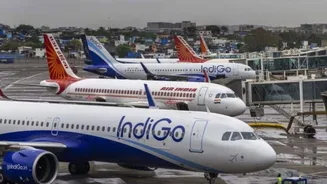
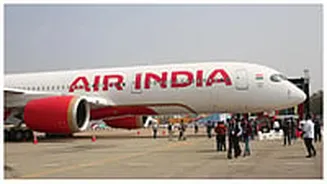
Top airlines often tailor questions to their specific values and operations. For Emirates, demonstrating knowledge of their global reach and commitment to high grooming standards is key. When asked about Qatar Airways, highlight your experience with multicultural teams and handling feedback constructively. For IndiGo, understanding their "Lean Clean Flying Machine" philosophy and comfort with flexible schedules is important. Vistara's focus on premium service means discussing your approach to enhancing the passenger experience, especially with meal dissatisfaction. For Air India, acknowledging the Tata Group's influence and your ability to provide attentive service, particularly to senior citizens, is vital. Across all airlines, be ready to explain why you are a good fit for their specific brand and how you manage professional conduct during long flights.
Preparation and Presentation Tips
To excel in your cabin crew interview, thorough preparation is essential. Begin by conducting in-depth research on each airline, familiarizing yourself with their history, values, and recent developments. Practice answering common questions aloud to build confidence and refine your delivery. Pay close attention to your appearance, ensuring professional attire and impeccable grooming align with airline standards. During the interview, maintain positive body language, including steady eye contact and an open posture, to convey approachability and attentiveness. Listen carefully to each question before responding clearly and concisely. Throughout the entire process, project a polite and consistently positive attitude, demonstrating your enthusiasm for the role and your commitment to exceptional passenger service.