Beyond the Crowds
Mongolia is emerging as a compelling alternative for travelers fatigued by the well-trodden paths of Central Asia and Southeast Asia. While destinations
like Uzbekistan boast rich Silk Road history and Kyrgyzstan offers stunning treks, these spots are increasingly drawing large tour groups. Kazakhstan's modern cities, though impressive, lack the immersive quality many seek. In contrast, Mongolia provides an experience of space, solitude, and scale that evokes a sense of Central Asia before mass tourism took hold. Its low population density, with roughly 2 people per square kilometer across 1.56 million square kilometers, ensures vast stretches of untouched wilderness. This offers a refreshing departure for those desiring an escape from the constant hum of crowded popular destinations, presenting an opportunity to connect with nature and culture on a profound level.
Landscapes Lead the Way
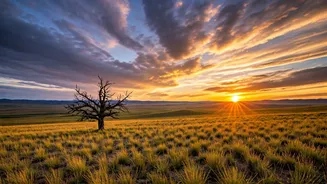
Unlike many of its neighbors, Mongolia's primary draw is its breathtaking natural environment. The rolling steppes that seem to stretch endlessly, the stark beauty of the Gobi Desert, the rugged Altai Mountains, and the ever-changing hues of its grasslands form the core of most travel experiences. Adventurers often report driving for days without encountering another tourist vehicle, even outside of peak travel periods. This profound sense of isolation is a highly valued commodity in today's increasingly crowded world, offering a rare luxury. The sheer scale and emptiness of the Mongolian landscape provide a powerful counterpoint to the often over-stimulated urban environments that dominate global travel, inviting a contemplative and immersive connection with the natural world.
Living Nomadic Culture
A key differentiator for Mongolia is that its nomadic culture isn't a performance for tourists; it's a way of life. This ancient, UNESCO-recognized pastoral tradition is actively practiced by approximately a quarter of the Mongolian population. Visitors have the unique opportunity to stay in traditional gers (yurts), ride horses across vast plains, assist with herding livestock, and share meals with families who have maintained this lifestyle for generations. This deep authenticity is increasingly scarce and highly sought after by travelers seeking genuine cultural encounters. The aesthetic appeal of this way of life also makes it incredibly photogenic, contributing to its growing popularity on social media platforms, further fueling curiosity and desire to experience it firsthand.
Distinct Cultural Identity
While geographically associated with Central Asia, Mongolia possesses a distinct cultural identity rooted in different historical and spiritual traditions. Buddhism and shamanistic practices form the spiritual bedrock of the nation, setting it apart from the predominantly Islamic heritage found further west. The historical significance of Genghis Khan, the vast Mongol Empire, and ancient capitals like Karakoram imbues the land with a unique historical narrative, diverging from the typical Silk Road tales. This cultural contrast appeals to travelers seeking something novel without venturing too far from the region, offering a fresh perspective and a richer historical context that challenges preconceived notions and broadens understanding.
Affordable Exploration
Mongolia offers considerable value for money, particularly when compared to more saturated destinations in Southeast Asia. While Ulaanbaatar, the capital, presents more urbanized accommodation and dining options, overall costs for lodging, transportation, and food often remain lower than in popular hubs like Bangkok or Hanoi. Beyond the capital, expenses decrease even further. This affordability makes Mongolia an attractive option for long-term travelers, photographers, slow travelers, and digital nomads who value extensive exploration without compromising their budget. The Mongolian Tugrik (MNT) is a low-value currency, further enhancing the cost-effectiveness for international visitors, making experiences more accessible and extending travel possibilities.
Improving Accessibility
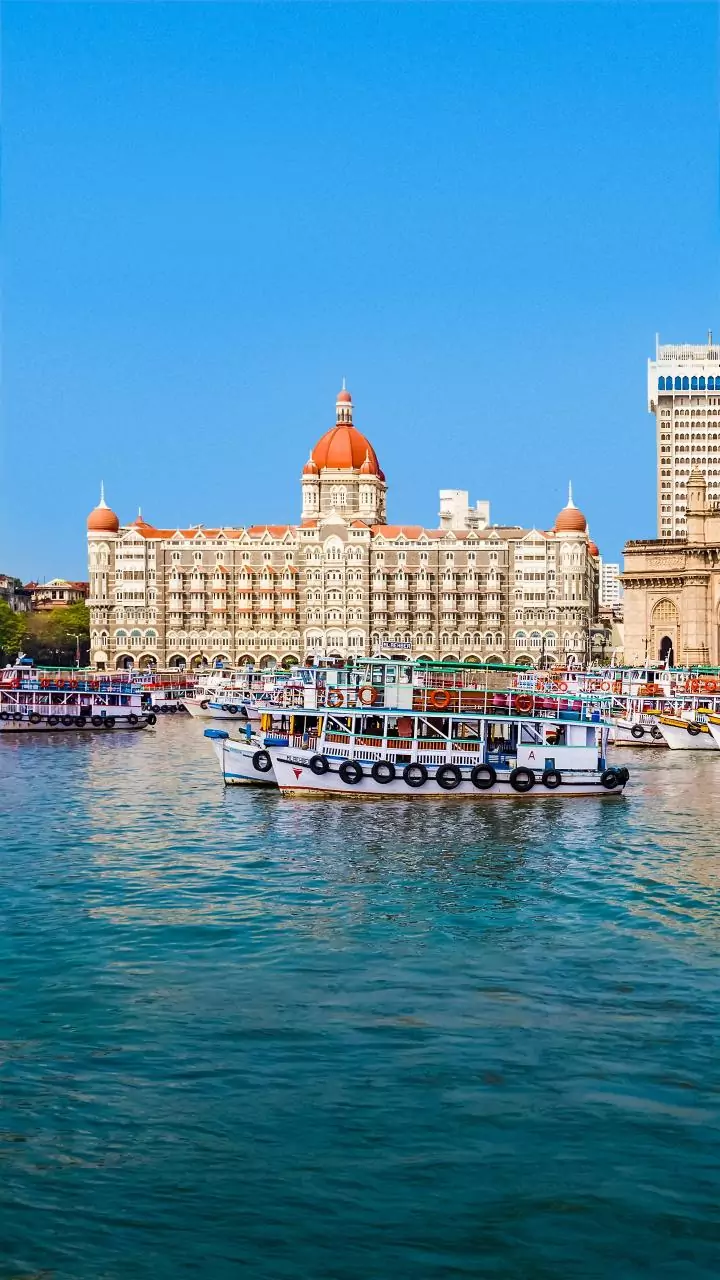
Infrastructure has historically been a significant challenge in Mongolia, with rough roads outside major arteries, limited domestic flights, and basic facilities in remote areas. However, this is steadily improving as the government invests in upgrading road networks, expanding air travel routes, and enhancing visitor amenities at key sites. For travelers from India, convenient one-stop flights are available from major cities like Delhi and Mumbai. The quality of services in Ulaanbaatar, including hotels and restaurants, has seen noticeable improvement. Furthermore, training programs are being implemented to ensure consistent service standards in rural regions. Crucially, this development has not diminished the country's raw, adventurous appeal, making it more accessible while retaining its untamed spirit.
Social Media's Influence
The growing visibility of Mongolia can be significantly attributed to the impact of social media. Influencers, photographers, and travel writers have effectively showcased the country's spectacular landscapes, vibrant festivals, and authentic nomadic way of life. These visual narratives have captured imaginations and sparked interest in ways that traditional marketing campaigns never could. This widespread digital exposure has transformed traveler curiosity into concrete bookings, demonstrating the power of user-generated content and online communities in shaping travel trends and highlighting destinations previously overlooked by mainstream tourism.
Growing Traveler Interest
Data indicates a significant surge in Mongolian tourism, with key source markets including China, Russia, and South Korea, followed by Japan and the United States. While geographical proximity plays a role, the increasing interest from long-haul travelers signifies a shift in perception; Mongolia is no longer viewed as an overly difficult or remote destination. In 2024, the country welcomed a record-breaking 808,900 international visitors, generating approximately USD 1.6 billion in revenue. By September 10, 2025, the figure had already reached 617,000, projecting continued growth. This trend underscores Mongolia's transition from a niche curiosity to a recognized travel destination of choice for those seeking unique and less crowded experiences.