
'%3e%3cpath%20fill-rule='evenodd'%20clip-rule='evenodd'%20d='M6%200C10.4183%200%2014%203.58171%2014%207.99999V14.0003C14%2018.4186%2017.5817%2022.0003%2022%2022.0003H122C126.418%2022.0003%20130%2018.4186%20130%2014.0003V8C130%203.58172%20133.582%200%20138%200H6Z'%20fill='%23EDF2E7'/%3e%3c/g%3e%3cdefs%3e%3cfilter%20id='filter0_d_12223_4749'%20x='0'%20y='0'%20width='144'%20height='36'%20filterUnits='userSpaceOnUse'%20color-interpolation-filters='sRGB'%3e%3cfeFlood%20flood-opacity='0'%20result='BackgroundImageFix'/%3e%3cfeColorMatrix%20in='SourceAlpha'%20type='matrix'%20values='0%200%200%200%200%200%200%200%200%200%200%200%200%200%200%200%200%200%20127%200'%20result='hardAlpha'/%3e%3cfeOffset%20dy='8'/%3e%3cfeGaussianBlur%20stdDeviation='3'/%3e%3cfeComposite%20in2='hardAlpha'%20operator='out'/%3e%3cfeColorMatrix%20type='matrix'%20values='0%200%200%200%200.356863%200%200%200%200%200.427451%200%200%200%200%200.270588%200%200%200%200.7%200'/%3e%3cfeBlend%20mode='normal'%20in2='BackgroundImageFix'%20result='effect1_dropShadow_12223_4749'/%3e%3cfeBlend%20mode='normal'%20in='SourceGraphic'%20in2='effect1_dropShadow_12223_4749'%20result='shape'/%3e%3c/filter%3e%3c/defs%3e%3c/svg%3e)
Why Detox Matters
After periods of indulgence, such as festive gatherings, our bodies can feel overloaded. A short-term detox isn't about extreme deprivation but rather
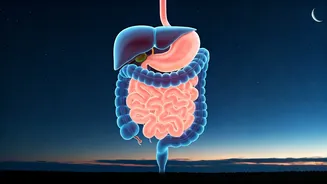
about giving your digestive system a much-needed break. It's a strategic way to help your body process the excess and return to a state of equilibrium. This approach aids in flushing out accumulated "toxins" that can arise from rich foods and occasional overconsumption, ultimately helping to restore a sense of well-being and energy levels that may have been depleted.
Day 1: Gentle Start
Begin your detox journey with a focus on easing your digestive system. On Day 1, prioritize easily digestible foods and ample hydration. This means opting for clear liquids like water, herbal teas, and perhaps diluted fruit juices. For meals, think light and simple. Steamed vegetables, broths, and fruit smoothies are excellent choices. Avoid heavy, processed, or sugary foods that can put further strain on your system. The goal is to create a calm environment for your digestion to start its recovery process, setting a gentle tone for the days ahead.
Day 2: Veggies & Fluids
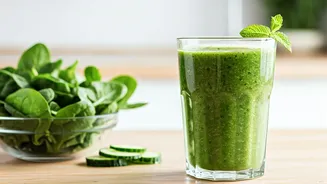
Day 2 of the detox intensifies the focus on plant-based nourishment and deep hydration. This day is dedicated to consuming a wide variety of vegetables, incorporated into meals and snacks. Think vibrant salads, vegetable soups, and raw or lightly steamed greens. Juicing fresh vegetables can also be a great way to pack in nutrients. Simultaneously, maintaining rigorous hydration is paramount. Continue to drink plenty of water throughout the day, along with herbal infusions. This abundant fluid intake is crucial for flushing out waste products and supporting your body's natural cleansing mechanisms, ensuring optimal cellular function.
Day 3: Balanced Reintroduction
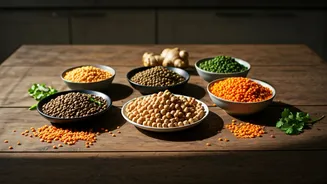
As you reach Day 3, the plan gently introduces light protein sources to help balance your diet and prepare you for a more regular eating pattern. This might include lean options like grilled fish, chicken breast, or plant-based proteins such as tofu or lentils. Continue to incorporate plenty of vegetables and fruits. The hydration remains a key component, so keep sipping on water and herbal teas. This phased reintroduction of nutrients aims to nourish your body without overwhelming it, helping to solidify the positive effects of the detox and transition you back towards your regular, healthy eating habits.
Foods to Avoid
During this 3-day detox, it's essential to steer clear of certain food categories to allow your body to rest and repair effectively. This means abstaining from processed foods, which are often laden with artificial additives, excessive sugar, and unhealthy fats. Red meat should also be excluded as it can be harder to digest. Furthermore, avoid refined carbohydrates like white bread and pastries, as well as sugary drinks, including sodas and excessive fruit juices high in fructose. Alcohol and excessive caffeine should also be minimized or eliminated to prevent adding further stress to your system and hindering the detoxification process.
Signs You Need Detox
Several common signs can indicate your body is signaling a need for a reset. Persistent fatigue and low energy levels, even after adequate sleep, are strong indicators. You might also experience digestive issues such as bloating, gas, or irregular bowel movements. Skin problems like acne or dullness can sometimes be linked to internal imbalances. Frequent headaches, difficulty concentrating, mood swings, or a general feeling of sluggishness are also signals that your body could benefit from a gentle detox to clear out accumulated waste and restore its natural vitality.