Metabolism's Mid-Life Shift
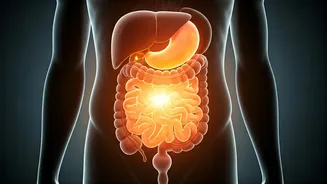
As individuals cross the threshold of 30, a subtle yet significant shift occurs within the body, often leading to an unwelcome increase in abdominal fat,
even when dietary habits and exercise routines remain unchanged. A primary driver of this phenomenon is the natural, age-related decline in muscle mass. Scientific consensus indicates that after the age of 30, muscle tissue diminishes at a rate of approximately 3% to 8% each decade. This reduction in lean muscle has a direct consequence on one's resting metabolic rate. Since muscle is more metabolically active than fat, a decrease in muscle mass translates to fewer calories being burned at rest. Consequently, the body's overall energy expenditure lowers, making it easier for excess calories to be stored as fat, particularly around the midsection. This metabolic slowdown means that the same caloric intake that was once balanced can now contribute to weight gain and the accumulation of stubborn belly fat. Furthermore, reduced muscle mass impacts the body's efficiency in processing glucose. Muscle tissue plays a crucial role in glucose disposal, absorbing a substantial portion of blood sugar after meals. When muscle mass shrinks, this glucose remains circulating in the bloodstream for longer periods, signaling the body to store it, often in the form of abdominal fat. This creates a cycle where less muscle leads to poorer glucose management and increased fat storage in the abdominal area.
Hormonal Harmony Disrupted
Beyond the physical changes in muscle mass, a complex interplay of hormonal shifts after the age of 30 significantly contributes to the accumulation of belly fat. Key hormones that typically aid in metabolic regulation and fat distribution begin to change their patterns. Specifically, levels of growth hormone and sex hormones, such as testosterone in men and estrogen in women, tend to decrease with age. These hormones play vital roles in maintaining muscle mass and regulating fat metabolism. Their decline can create an environment more conducive to fat storage. Concurrently, levels of cortisol, often referred to as the stress hormone, can increase. Elevated cortisol has been strongly linked to the deposition of visceral fat, which is the deep abdominal fat that surrounds internal organs. This type of fat is particularly concerning as it is metabolically active and can exacerbate other health issues. The combined effect of decreasing beneficial hormones and increasing cortisol creates a hormonal milieu that actively favors the storage of fat in the abdominal region. This hormonal imbalance can make it particularly challenging to lose weight around the belly, as the body's internal signals are predisposed to accumulating fat in this area, impacting not only appearance but also overall health by increasing inflammation and insulin resistance.
Metabolic Warning Signs
Recognizing the early indicators that your metabolism is beginning to slow down is crucial for addressing the escalating issue of belly fat. Several subtle signs can alert you to these internal changes, even before significant weight gain becomes apparent. One of the most common indicators is noticing an increase in abdominal girth, even if your overall body weight remains stable. This localized fat gain around the waist can be a direct consequence of a slower metabolism and altered fat distribution. Another prevalent symptom is experiencing pronounced energy dips, particularly in the afternoon. When your metabolism is less efficient, your body struggles to maintain consistent energy levels throughout the day. Furthermore, you might find yourself experiencing stronger cravings for sugary foods, as your body attempts to find a quick energy source to compensate for its reduced metabolic efficiency. Digestive issues, such as bloating after consuming carbohydrates, can also signal that your body is not processing food as effectively as it once did. Finally, a noticeable accumulation of fat specifically in the upper abdomen, rather than all over the body, is another key warning sign that your metabolic rate has decreased and your body is prioritizing fat storage in this particular area due to hormonal and metabolic shifts.
Strategies for Fat Reduction
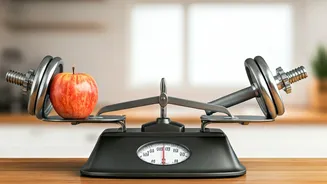
Combating the persistent challenge of belly fat after 30 requires a strategic and multifaceted approach, focusing on sustainable lifestyle adjustments rather than quick fixes. Central to any effective fat reduction plan is optimizing protein intake. Aiming for a daily protein consumption of approximately 1.2 to 1.6 grams per kilogram of body weight is recommended. Protein is essential for muscle repair and growth, which in turn supports a higher metabolic rate. Complementing dietary changes with a robust strength training regimen is also vital. Engaging in strength training exercises more than three times per week helps to build and maintain lean muscle mass, directly counteracting age-related muscle loss and boosting calorie expenditure. Beyond structured workouts, incorporating daily walking is highly beneficial for improving insulin sensitivity. Regular cardiovascular activity helps your body utilize glucose more effectively and can reduce fat storage. Equally important is prioritizing consistent, quality sleep. Aiming for 7-8 hours of uninterrupted sleep each night is crucial for hormonal balance and metabolic recovery. It's important to avoid extreme diets or fad programs, as these are rarely sustainable and can be detrimental to long-term health. The key lies in consistent, balanced habits that support your body's natural processes and promote overall well-being.