Honesty Fuels Discussion
The pursuit of weight management is a global endeavor, often fraught with challenges that extend beyond willpower. While diet and exercise form the bedrock
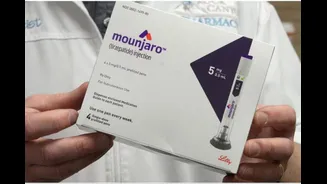
of healthy weight control, achieving and maintaining desired results can be complex. Recently, the public discourse has been significantly influenced by a new category of injectable medications, with Mounjaro and Ozempic leading the conversation. Initially developed for type 2 diabetes management, these drugs have garnered widespread attention for their notable impact on weight reduction. The open admission by comedian Aishwarya Mohanraj regarding Mounjaro's role in her weight loss journey has reignited important dialogues about honesty, the necessity of medical oversight, and the societal pressures associated with body image and transformation narratives.
Expert Guidance is Key
Actress Soha Ali Khan has voiced her appreciation for Aishwarya Mohanraj's candidness about using medication for weight loss, emphasizing the courage it takes to share such personal truths, especially in an environment where success is often attributed solely to lifestyle changes. However, Khan also sounded a strong note of caution, urging that these powerful treatments should not be mistaken for fleeting social media trends or simple cosmetic solutions. She stressed that Mounjaro and Ozempic are serious medical interventions intended for individuals with specific health needs. Khan highlighted that weight fluctuations are influenced by a multitude of factors, including hormonal imbalances, insulin resistance, PCOS, thyroid conditions, and metabolic issues. While these injectable medications can offer support in certain situations, she underscored their requirement for thorough medical assessment, professional evaluation, and continuous supervision to manage potential side effects. Her perspective shifts the focus from who is using these drugs to who genuinely requires them, advocating for a more medically-driven approach to their consideration and use.
Understanding the Medications
While often discussed in the same breath, Ozempic and Mounjaro are distinct in their composition and action. Both fall under the umbrella of GLP-1 receptor agonists, a class of drugs designed to mimic the effects of a hormone naturally produced in the gut. This hormone plays a crucial role in regulating blood sugar by stimulating insulin release, lowering glucose levels, and slowing down the rate at which the stomach empties. This delayed gastric emptying contributes to a prolonged feeling of fullness, thereby reducing appetite. The key difference lies in their receptor targets: Mounjaro, with the generic name tirzepatide, interacts with both GLP-1 and GIP receptors and is currently approved for type 2 diabetes, demonstrating significant weight loss effects. Ozempic, containing semaglutide, primarily targets the GLP-1 receptor and is prescribed for adults with type 2 diabetes, particularly those at risk of cardiovascular disease. Despite their effectiveness in weight management, it is vital to remember that both medications were primarily developed to address metabolic disorders, not as elective options for cosmetic weight loss, and necessitate professional medical guidance.