Hydration Overlooks
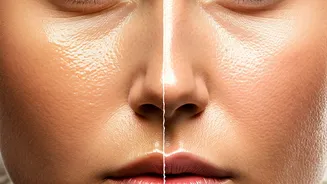
During winter, the tendency to drink less water is prevalent because thirst signals diminish. However, the dry, frigid air actively leaches moisture from
your skin, leading to significant dehydration. To counteract this, it's crucial to consciously increase your fluid intake; opting for warm water or herbal teas can be an excellent way to maintain your body's natural moisture balance from the inside out. Complementing this internal hydration, the selection of topical moisturizers plays a vital role. Seek out formulations that contain potent hydrating ingredients like Hyaluronic Acid, known for its exceptional moisture-binding properties, Squalane, which mimics the skin's natural oils to prevent water loss, and Jojoba Oil, a versatile emollient. These components work synergistically to deliver deep hydration and restore the skin's natural equilibrium without leaving a greasy or heavy residue, ensuring your skin feels supple and comfortable.
Static Routines
Adopting a skincare regimen that served you well during warmer seasons may prove inadequate when winter arrives. Lightweight or oil-controlling products, designed to manage excess sebum in summer, can inadvertently exacerbate dryness and compromise the skin's protective barrier in colder climates. It becomes imperative to transition to more substantial, nourishing formulations that actively bolster and support this essential barrier. The choice of cleansers is also critical; opt for gentle, non-stripping options. Look for creams and moisturizers fortified with ingredients renowned for their soothing and fortifying capabilities, such as Avocado Oil, which is rich in fatty acids and vitamins, Bee Propolis, a natural healer and protector, and Vitamin E, a potent antioxidant. These ingredients not only nurture and soften the skin but also actively strengthen its resilience against the harsh environmental aggressors of winter, preventing irritation and maintaining a healthy, comfortable feel.
Steamy Showers
Indulging in lengthy, scalding hot showers, while seemingly comforting during winter, can have detrimental effects on your skin's health. The extreme heat from such showers strips away the skin's natural oils, which are vital for maintaining its protective barrier and moisture levels. This process leaves the skin feeling tight, prone to flaking, and often irritated. To mitigate this damage, it is advisable to moderate your shower temperature to lukewarm and to reduce the duration of your bathing sessions. Post-shower, applying a hydrating body wash and a rich, emollient lotion is essential. These products should be formulated to replenish the moisture lost during bathing and to soothe the skin. Ingredients that help in restoring hydration and maintaining a calm, nourished state are beneficial, ensuring your skin remains comfortable and well-maintained throughout the day.
Sunscreen Neglect
A prevalent misconception during winter is that sunscreen is a summer-only necessity. However, this thinking overlooks the persistent potency of ultraviolet (UV) radiation, which remains a significant threat even during the colder months. These harmful rays possess the ability to penetrate cloud cover and fog, reaching your skin regardless of ambient temperature. Consequently, diligent application and reapplication of sunscreen are paramount on a daily basis, irrespective of the weather forecast. It is advisable to select sunscreen formulations that not only provide robust protection against UV damage but also offer additional skincare benefits. Choosing products that incorporate hydrating agents can further support your skin's health, providing a dual benefit of sun protection and moisture replenishment, thereby safeguarding your skin against the cumulative effects of everyday environmental stressors.
Exfoliation Imbalance
The frequency and intensity of exfoliation significantly impact the skin's well-being, particularly during winter. Overdoing it can weaken the skin's natural protective barrier, making it more vulnerable to environmental damage and irritation. Conversely, neglecting exfoliation altogether leads to a buildup of dead skin cells, resulting in a dull complexion and flaky patches. The optimal approach involves gentle exfoliation, ideally once or twice a week, utilizing products that are specifically designed for sensitive skin. Enzymatic exfoliators, for instance, can effectively slough away dead skin cells without causing undue abrasion or stripping the skin of its essential moisture. Following exfoliation with a moisturizer rich in hydrating ingredients is crucial to seal in moisture and promote a smooth, soft skin texture. Understanding your skin's unique needs and adapting your exfoliation routine accordingly is key to maintaining a healthy, luminous appearance throughout the winter season.